Uncategorized

Blizzard Developer Removes Account Amid WoW Permanent Ban Debate After Request for Enhanced Player Behavior
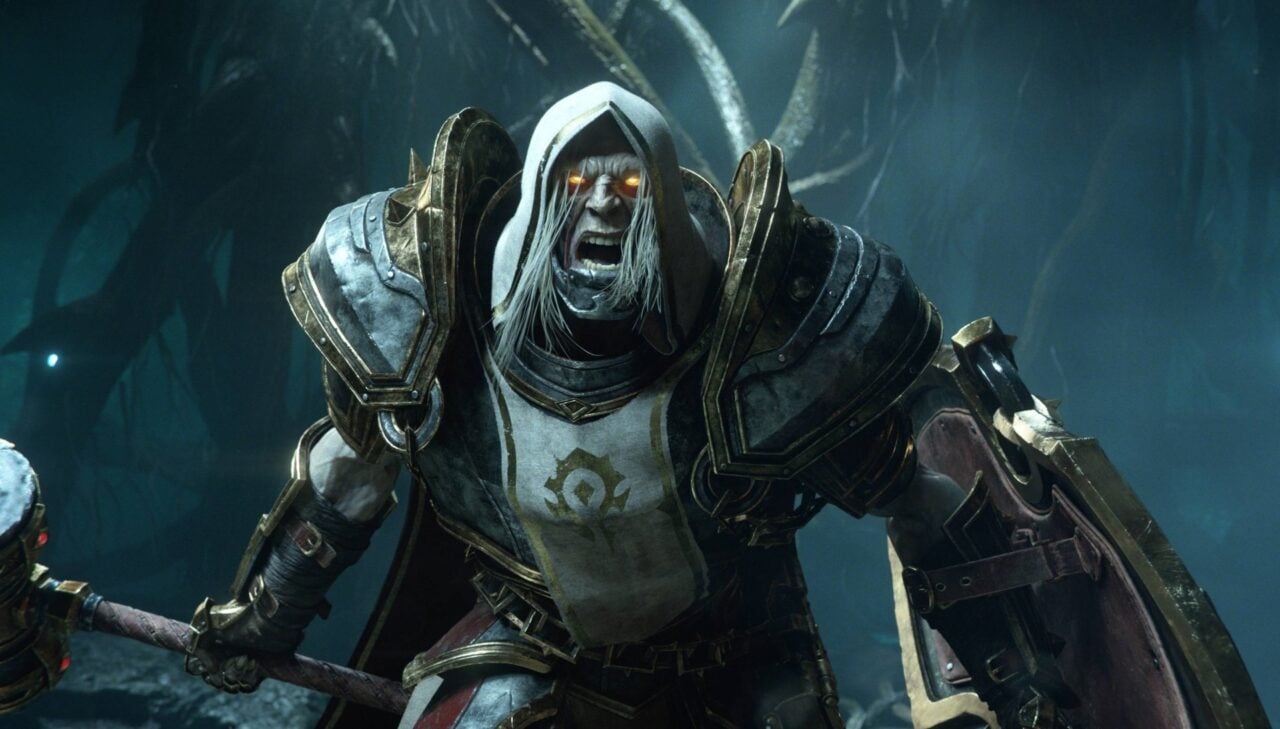
**Blizzard Enforces Username Regulations in *World of Warcraft: Forever* Beta**

Recently, Blizzard Entertainment announced significant measures regarding username regulations for those players taking part in the beta of *World of Warcraft: Forever*. This choice is part of the company’s initiative to maintain its community standards and code of conduct. Players discovered using usernames that breach these guidelines must modify them, while individuals responsible for “extreme violations” will face immediate bans from the beta.

Senior producer Tom Ellis, a long-time Blizzard employee with twenty years in the industry, faced criticism after stating that players ought to aspire to be “better humans” in the game. His remark came on the heels of numerous reactions to Blizzard’s notification, illuminating the divided feelings within the *World of Warcraft* community concerning username regulations and moderation measures.

On September 25, Ellis took to social media to respond to concerns and offer clarification. He remarked, “Since we’re here now I’ll give one more update on this topic before getting back to actually working on launch instead of reading everyone’s hilarious variations of the N word.” This comment, made in a comedic context about inappropriate usernames, was intended to stress the importance of the moderation initiative, not to offend.

In his follow-up messages, Ellis elaborated that the enforcement actions were based on previous bans from earlier versions of *World of Warcraft*, asserting that the company was not partaking in “extra woke” initiatives. He pointed out that only a tiny 0.18% of players had been excluded from the beta due to moderation policies as of the last Friday.

Countering assertions from some players who claimed they were unjustly banned, Ellis stated, “Anyone saying they were removed from beta for naming their character ‘Billy Mcsuckmahballz’ is telling little white lies.” He clarified that name changes were mandated instead of outright bans in many instances, highlighting that Blizzard possesses detailed player data for enforcement purposes.

The community’s reaction to Ellis’s statements has been divisive. While numerous players voiced support for stricter moderation against inappropriate names, others responded aggressively, prompting calls for Ellis’s dismissal following his comments. Some individuals sought to investigate his past to find tweets that could tarnish his reputation.

Despite the criticism, there are advocates within the community proposing a constructive approach to moderating gaming environments. Some players have commended Blizzard for addressing toxicity, emphasizing the necessity to nurture a more respectful community as vital for the game’s longevity. Forum dialogues mirrored a demand for industry-leading moderation standards, with a single player commenting, “It took them long enough to respond to the call to action against these hateful individuals.”

As the circumstances develop, Blizzard strives to manage the intricacies of community expectations, toxicity control, and its pledge to uphold an inclusive gaming atmosphere. The shifting relationship between developers and players in the *World of Warcraft* community highlights the obstacles faced by gaming companies in an increasingly divided environment.
Uncategorized

GTA 6 Collector’s Box Features Gator Figurine Offered for 3D Printing, Igniting $400 Debate Over Absent Game Disc

**Rockstar Games’ $400 Grand Theft Auto 6 Collector’s Box: Discourse and Artistic Responses**

Recently, Rockstar Games unveiled a $400 collector’s box themed around the eagerly awaited game *Grand Theft Auto 6* (GTA 6), sparking conversations among fans. The box features merchandise inspired by a fictional TV show within the forthcoming open-world game, rather than the game itself or any physical discs. This disclosure has prompted mixed feelings, with some gamers voicing disappointment regarding the box’s contents and its steep price.

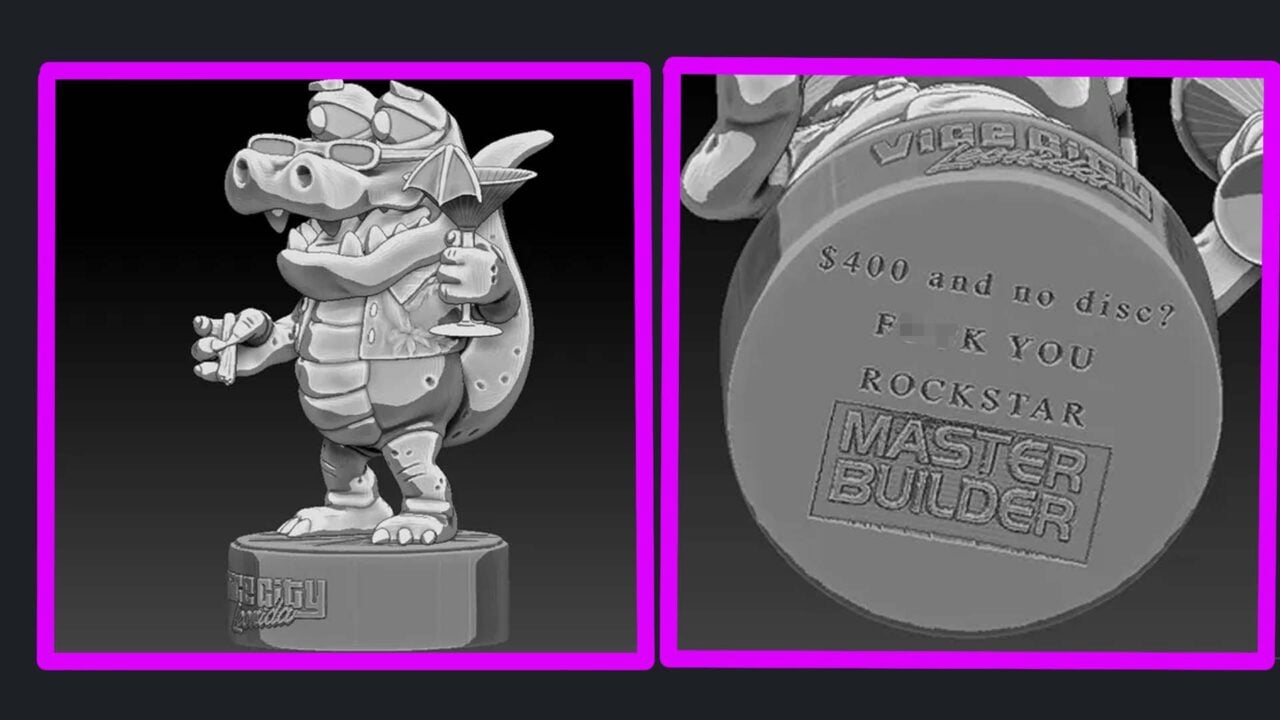
One particular fan, Jouhna117, has taken matters into their own hands by recreating the cartoon gator statue included in the $400 collector’s box. They posted their 3D model on the site Cults3D, allowing fellow fans to download and print it for less than $2. Unlike the official collector’s edition, this fan-created version drastically reduces costs while still providing a similar look.

The gator statue, referred to as Macca the Gator, has garnered attention as it represents broader concerns about the collector’s box. Despite its limited availability, some players believe that featuring a fictional item, instead of more game-related content, falls short of their expectations. As Jouhna117 pointed out in their model’s description, “$400 and no disc? FUCK YOU ROCKSTAR,” underscoring their discontent with both the price and the lack of a physical disc at launch.

In further remarks, Jouhna117 expressed their incredulity over the collector’s edition’s pricing approach, stating, “Rockstar, if you’re seeing this, like, $400 USD and no disc—what’s going on, man?” The absence of a physical product has become a key complaint among fans, many of whom anticipated a more significant offering for such a high cost.

Fans have also voiced a wish for more meaningful collectibles directly associated with the game, favoring figures of main characters Jason and Lucia over items linked to a fictional show. The aesthetic decisions made by Rockstar have left a portion of the community dismayed and questioning the future direction of the franchise.

As of September 28, the $400 collector’s box is still available for pre-order on Rockstar’s official website. While it provides fans a glimpse of what’s ahead in *GTA 6*, the lack of physical media and the hefty price tag continue to fuel critical discussions and inventive solutions within the gaming community.

Uncategorized

GOP Governor Slams Welfare Abuse in New Ad: “People Like Brad Choose Not to Work”

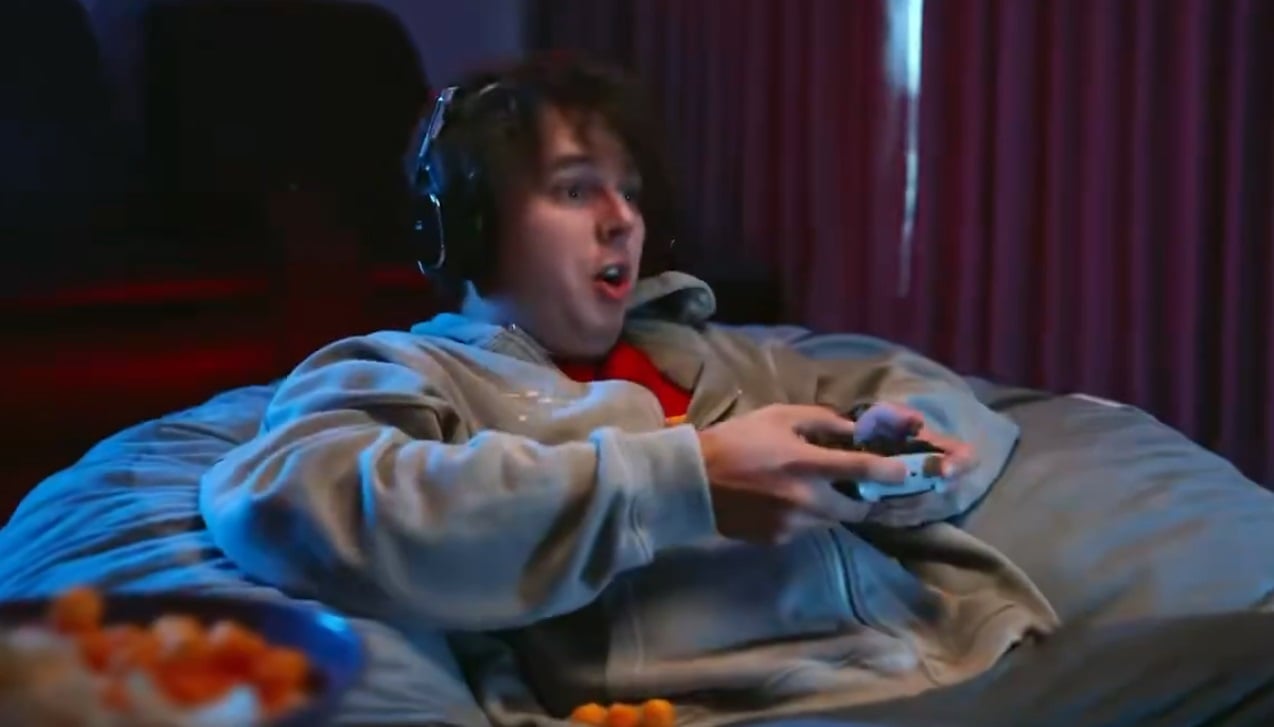
Arkansas Republicans are presently promoting new “welfare-to-work” regulations that would increase the challenges individuals face in accessing government aid for essential services like food and healthcare. As the 2026 election approaches, Governor Sarah Huckabee Sanders is employing a provocative narrative to convey this initiative to the electorate. She presents a fictional character named Brad, depicted as a lazy gamer who allegedly survives on government support while partaking in leisurely pastimes, especially gaming.

In a social media update from September 28, Sanders remarked, “You pay taxes to support welfare for those who simply choose not to work. That’s why I initiated a welfare-to-work mandate. If you’re young, healthy, and receiving government aid, you ought to work, attend school, or volunteer.” This assertion highlights the Tennessee native’s belief that government assistance should be paired with obligations, especially for individuals considered capable of entering the job market.

Accompanying Sanders’ message is a video representation of the character Brad, cast as a young man in a hoodie, idly lounging and playing video games while using a mechanical claw to munch on chips. This visual reinforces the stereotype of those misusing welfare systems by projecting an image of laziness and entitlement that politicians like Sanders seek to confront.

The idea of work mandates in welfare programs is often based on the notion that assistance should promote self-reliance and community involvement. However, critics contend that such mandates frequently hinder access to vital benefits for those in genuine need. Despite the well-meaning intentions behind these legislative alterations, the actual consequences often lead to exclusionary obstacles for deserving individuals requesting aid. This sentiment is echoed by numerous lawmakers and advocacy organizations who argue that constraints on programs such as Medicaid and SNAP have already made it challenging to navigate assistance for those experiencing economic difficulties.

Interestingly, while the GOP has traditionally opposed welfare expansion, there is a burgeoning recognition within the party of the potential electorate represented by young, online gamers. In recent times, young white males, particularly those dissatisfied with a stagnant economy, have emerged as a dependable support base for the GOP. Many of these individuals, involved in gaming and digital communities, have begun to adopt right-wing narratives, especially regarding cultural matters.

Despite appealing to this group, Republicans have ironically characterized the image of a 29-year-old gamer as an embodiment of welfare reliance. Some party members have contended that the GOP isn’t doing enough to attract dissatisfied cultural sentiments within this demographic, revealing a conflict between trying to win over young voters and utilizing negative stereotypes against welfare recipients.

The ongoing conversation surrounding welfare-to-work requirements continues to develop, particularly as the political environment changes in advance of Arkansas’ upcoming elections. With the introduction of figures like Brad, Sanders and other Republicans aspire to reshape public opinion, advocating for a system that encourages work while concurrently facing scrutiny regarding the broader effects of such policies on marginalized communities in need of support.