Uncategorized

Pokémon Company Introduces Facial Recognition Technology to Fight Scalping and Improve Security in Japanese Card Shops

**Pokémon Company Unveils Facial Recognition System to Tackle TCG Scalping**

In a notable action against scalpers, The Pokémon Company in Japan has rolled out a facial recognition system across Pokémon Card Stores. This effort, revealed on July 24, seeks to tackle the escalating problem of scalping within the Pokémon Trading Card Game (TCG) community. The facial recognition technology will oversee customer entries and limit re-entry for those trying to make multiple purchases at the same site within a 24-hour timeframe.

This initiative is part of a larger strategy to uphold a fair shopping environment and curb unauthorized resale of Pokémon items. As stated in a notice on the official Pokémon Card Game website, the technology will authenticate the identities of customers from elementary school age and above upon their entry and the issuance of numbered tickets. In instances of identified misconduct—such as repeated entries—store personnel may address the matter with the offender directly.

The launch of this initiative follows another update regarding the utilization of Japan’s Government ID “My Number” cards, which will also be employed to restrict both online and in-store purchases and lottery entries. This dual approach emphasizes the company’s dedication to fighting scalping and guaranteeing that true fans have access to Pokémon merchandise.

Reactions to the announcement have been mixed, particularly beyond Japan. However, feedback from the Japanese community has largely been favorable. Numerous supporters believe that these new actions will assist in maintaining the integrity of the purchasing process. Despite some objections regarding the necessity of such intrusive security measures, it is clear that scalping has emerged as a significant issue that calls for a strong response.

While it is not expressly indicated whether the facial recognition checks are limited to single stores or encompass several locations, the company stresses that the goal is to establish a secure and organized shopping atmosphere for all patrons. The idea of utilizing facial recognition technology, though possibly alarming to some, is part of an increasingly prevalent trend in retail aimed at preventing fraud and optimizing equity in high-demand markets.

In summary, the Pokémon Company’s implementation of sophisticated security measures like facial recognition technologies demonstrates a proactive approach to combating scalping and ensuring that passionate fans can acquire their favorite products without hindrance.
Uncategorized

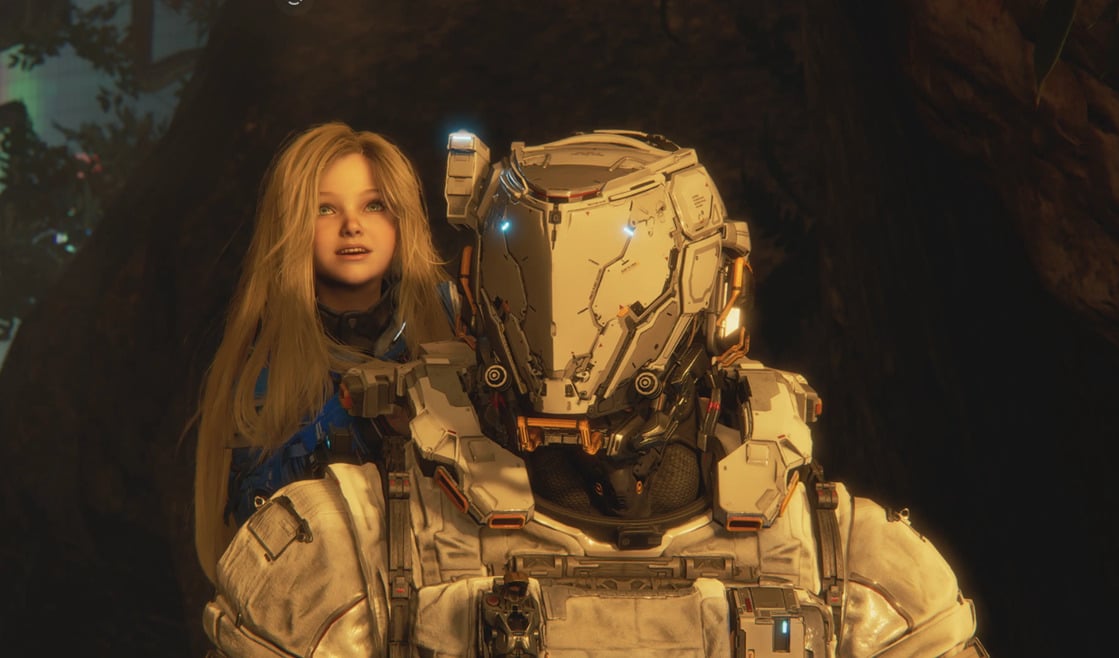
Capcom Producer Claims That Remakes of Resident Evil Aid Development of Original Games Such as Pragmata

**Capcom: Thriving Amidst Industry Turmoil**

The video game sector is presently experiencing a tumultuous period, with numerous major players confronting considerable difficulties. Years of poor management decisions and a habit of pursuing transient trends have led to a surge of financial woes among prominent publishers, creating uncertainty about their future sustainability. Nevertheless, one significant exception stands out: Capcom. The esteemed game developer has maneuvered through this chaotic environment by adeptly blending nostalgia with innovation, gaining rewards from both established franchises and new, original creations.

In a recent discussion with Masachika Kawata, a producer at Capcom, the company’s strategic balance was illuminated. This astute approach enables Capcom to pursue more daring projects like the eagerly awaited *Pragmata*, while still taking advantage of its cherished franchises. The producer emphasized how the ongoing demand for *Resident Evil* games has heralded a new prosperous time for the developer. By remaking classic games and incorporating modern technology, Capcom is not only assuring a consistent stream of releases but also enriching its development process and boosting sales performance.

Kawata conveyed confidence in Capcom’s capability to deliver a *Resident Evil* title each year, using remakes to meet audience expectations while also challenging their development teams. He stressed the significance of remakes alongside mainline entries, noting that this cycle has proven beneficial for the company. This dedication to revisiting and rejuvenating older games has kept *Resident Evil* at the forefront, as seen by the tremendous success of *Resident Evil Requiem*, which ranks among this year’s top-selling titles.

The tactic of merging remakes with fresh entries has ensured the *Resident Evil* franchise remains pertinent and captivating for gamers. Since the launch of *Resident Evil 7* in 2017, Capcom has sustained a dynamic presence in the industry through a blend of remakes, including the recently launched *Resident Evil 4*, and new series installments such as *Village*. This is in stark contrast to other game franchises, where sequels may take a decade or longer to emerge.

Kawata also highlighted that the triumph of *Resident Evil* indirectly aids other Capcom endeavors. For example, the creation of *Pragmata*, an original action sci-fi title, benefits from the strong financial underpinning provided by the consistent output of established franchises. Alongside ongoing installments in beloved series like *Street Fighter* and *Monster Hunter*, Capcom has also launched exciting titles such as the distinctive action-strategy hybrid *Kunitsu-Gami* and a sequel to *Dragon’s Dogma*. With plans for a *Code Veronica* remake underway, the publisher’s future seems promising, brimming with potential projects on the horizon.

Throughout the industry, it is commonly recognized that many significant publishers depend on a flagship title to support their larger portfolio. For instance, *Minecraft* has been pivotal in sustaining Microsoft, while *Final Fantasy XIV* substantially boosts Square Enix’s revenues. However, this dependence on a single “cash cow” can introduce risks, potentially leading to instability and pressure to produce consistent returns.

Kawata clarified that Capcom does not function with infinite resources, and while they are methodical in their planning, fans should not expect an overwhelming number of spin-offs similar to *Resident Evil*’s earlier days. Instead, the company has achieved a balance that guarantees steady revenue streams alongside a channel for innovative new concepts. This mindset parallels successful film studios like A24, which finance groundbreaking but less commercially viable projects through successful genre films, nurturing a diverse and vibrant artistic environment.

In conclusion, Capcom’s current strategy exemplifies a proficient method for navigating the intricacies of the gaming industry. By harmonizing the nostalgic charm of beloved franchises with the adventurous essence of original titles, they have devised a triumphant formula that not only secures their financial well-being but also enriches the gaming experience for players worldwide.

Uncategorized

Portal Remake Created by Fans Finished But Pending Valve’s Reply

### An In-Depth Look at the Fan-Created Remake of Portal: Alive & Kicking

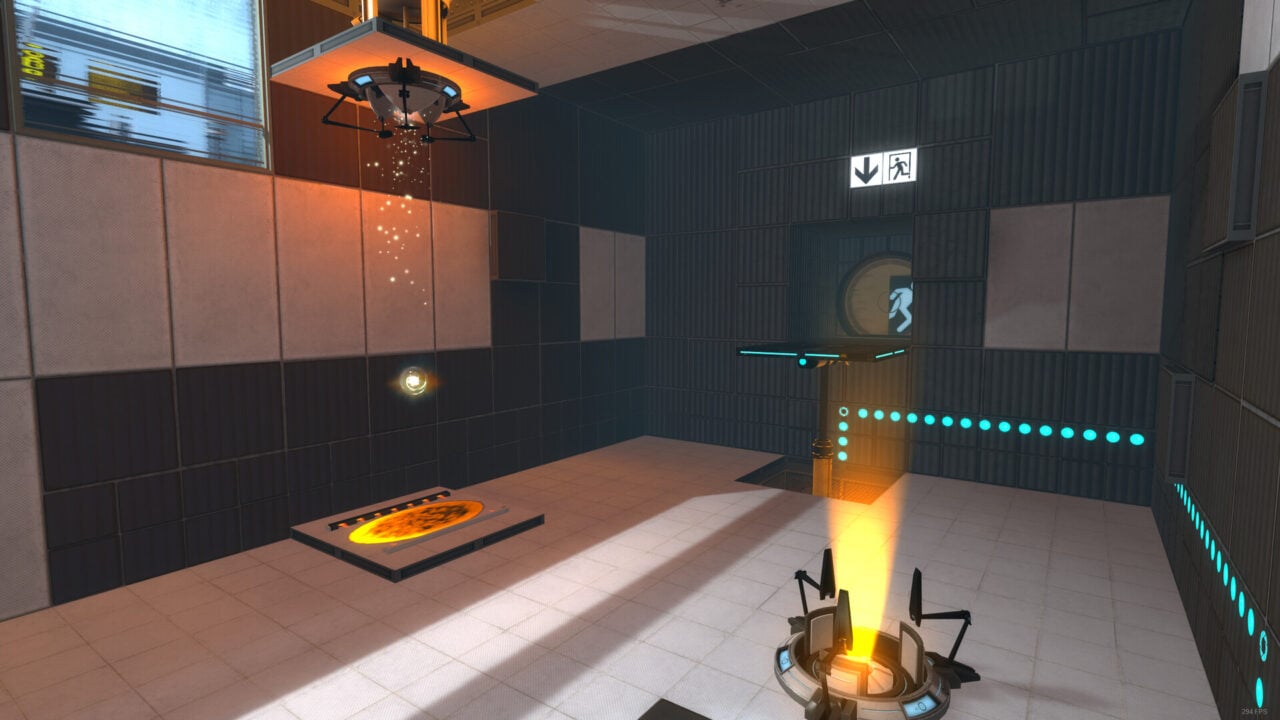
The fan-created remake of the renowned puzzle-platform game, *Portal*, known as *Alive & Kicking*, has been under development since 2011 by the independent developers Rhubarb & Rhubarb. Utilizing the engine of its successor, *Portal 2*, this ambitious undertaking sought to revitalize the classic while incorporating new features that appeal to both seasoned players and newcomers alike. Nonetheless, the extended development timeframe has raised concerns among fans regarding the possibility of the project being abandoned.

#### Development Journey

As the years went by without major updates, fans started to ponder the status of *Alive & Kicking*. Worries grew when communication from the developers dwindled, inciting a surge of messages on the game’s Steam page. It was during this phase of ambiguity that developer Dot Operator assured the community that *Alive & Kicking* is not only finished but also prepared for release. However, the debut depends on Valve’s endorsement—specifically, their attentiveness to the development team’s inquiries.

#### Communication Challenges with Valve

In a reply on the Steam discussions page, Dot Operator acknowledged the existing standstill regarding the game’s release. “The game is finished, but we do not currently have the capability to launch it on Steam,” they mentioned. Operator expressed appreciation for Valve’s early assistance in granting access to the *Portal 2* source code, which was vital for the creation of *Alive & Kicking*. However, the absence of recent communications from Valve concerning a required non-commercial license has left the project in a state of uncertainty.

#### Valve’s History with Fan-Made Projects

Valve maintains a complicated relationship with fan-made initiatives. Historically, the company has displayed varying levels of support, permitting many fan games to thrive on platforms like Steam. Notable projects such as *Black Mesa*, a remake of *Half-Life*, and *Hunt Down The Freeman*, highlight Valve’s readiness to allow fan participation with its intellectual properties. Furthermore, Valve released *Garry’s Mod*, which has become a cornerstone within the modding community.

Interestingly, *Portal* itself originated from a student endeavor by Kim Swift and evolved into a complete game that emerged as a prominent title in *The Orange Box* collection in 2007. During its ascent to popularity, *Portal* briefly overshadowed Valve’s other franchises, paving the way for the successful launch of its blockbuster sequel in 2011.

#### Features of Alive & Kicking

*Alive & Kicking* strives to maintain the cherished mechanics of the original while enhancing the experience with visual improvements and potentially new chambers filled with challenges. By utilizing the advanced game engine of *Portal 2*, the remake is set to provide an enriched gaming experience while preserving the core of what made *Portal* a groundbreaking title.

As the development team remains optimistic about a breakthrough with Valve, the community has united to support the game, hoping that heightened attention may encourage Valve to hasten the approval process. The current challenge lies in navigating the intricacies of intellectual property rights while trying to bring fans a segment in the legendary *Portal* saga that embraces both nostalgia and innovation.

#### Conclusion

As *Alive & Kicking* awaits a resolution from Valve, the situation underscores the balancing act inherent in fan-made projects. The enthusiasm for the remake illustrates the strong bond fans share with the *Portal* series, and with community backing, there is hope that one of gaming’s most eagerly awaited fan remakes will soon reach players across the globe.

Uncategorized

“Imminent PlayStation Game Sale Presents Chance to Grow Physical Game Collections Ahead of Possible Transition to Digital-Only”

The PlayStation 5 console generation is set to be Sony’s final one with a physical format, as the company plans to halt production of physical discs by 2028, coinciding with the launch of the PS6. This news has upset many fans who value the physical ownership of games. Nonetheless, there is a bright side for those lamenting the disappearance of physical games: many PS5 exclusives are currently available in disc format at greatly reduced prices.

Retailers such as Amazon, Best Buy, and others are implementing sales to rival the PlayStation Store’s summer event. This presents an excellent opportunity for gamers to acquire various highly praised first-party Sony titles at lower prices, making it a great time to expand their collections.

Here are some key discounts available:

– **Saros** – $50 (normally $70)
– **Returnal** – $30 (normally $70)
– **Uncharted: Legacy of Thieves Collection** – $20 (normally $60)
– **God of War** – $10 (normally $20)
– **God of War Ragnarok** – $30 (normally $70)
– **Horizon Zero Dawn Remastered** – $20 (normally $50)
– **Horizon Forbidden West Complete** – $30 (normally $50)
– **Ghost of Tsushima Director’s Cut** – $30 (normally $60)
– **Ghost of Yotei** – $55 (normally $70)
– **Death Stranding Director’s Cut** – $50 (normally $70)
– **Death Stranding 2** – $40 (normally $70)
– **Days Gone** – $20 (normally $40)
– **Spider-Man: Miles Morales** – $20 (normally $50)
– **Spider-Man 2** – $30 (normally $70)
– **The Last of Us Part 1** – $30 (normally $70)
– **The Last of Us Part 2** – $30 (normally $50)
– **Demon’s Souls** – $30 (normally $70)
– **Ratchet and Clank: Rift Apart** – $30 (normally $70)
– **Stellar Blade** – $30 (normally $70)

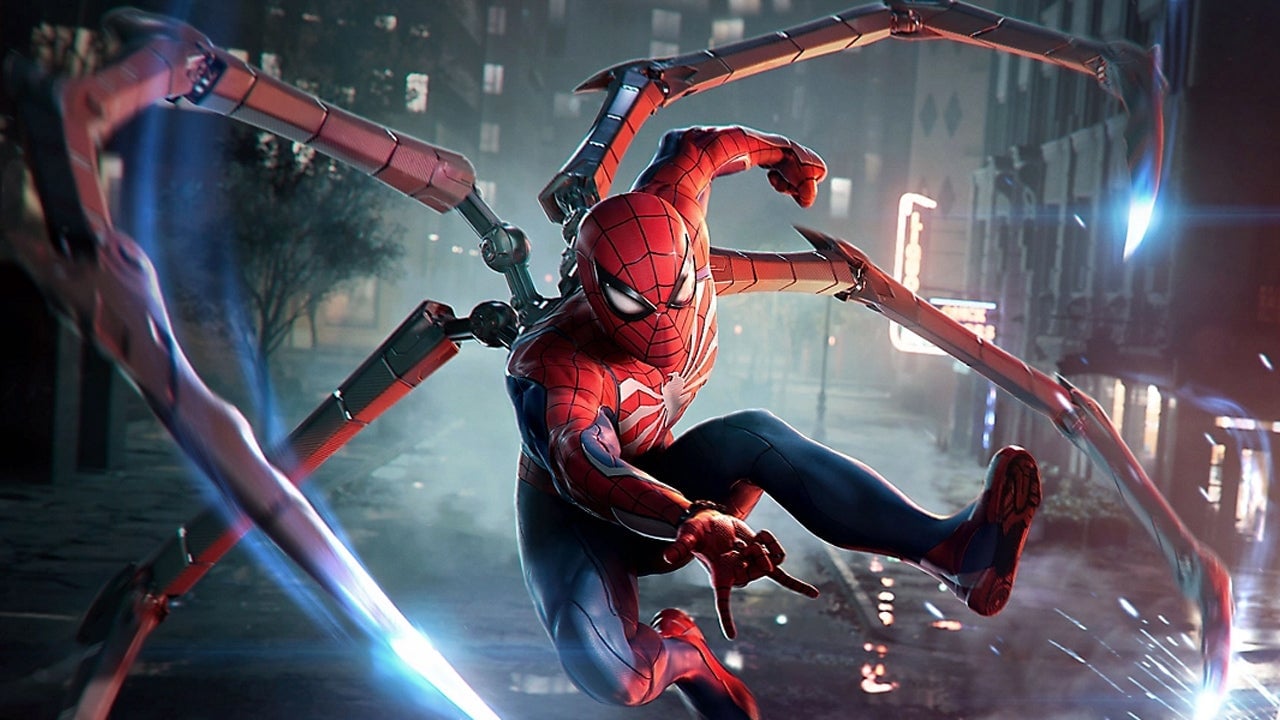
These promotions include this year’s **Saros**, the latest bullet-hell roguelite shooter from Housemarque. Moreover, several Game of the Year nominees from previous years are also up for significant discounts. **Death Stranding 2**, which launched last summer, is now available for $40, while **Spider-Man 2** is priced at just $30, ahead of the approaching release of **Spider-Man: Brand New Day**. For those who choose to go with PS4 versions of some titles, prices are even lower.

As players have observed, while digital games provide convenience, they are accompanied by limitations regarding permanence and ownership. With Sony planning to phase out physical games in under two years, this represents one of the last chances for gamers to possess future classics in a playable format, regardless of possible changes to Sony’s servers. Although the company has ensured that publishers of existing PS5 games will still be able to produce discs, the timeframe for this practice remains uncertain.

Uncategorized

First Trailer Unveiled for Adaptation of the Cyberpunk Classic Neuromancer, Once Deemed ‘Unfilmable’

**The Highly Anticipated Adaptation of William Gibson’s *Neuromancer*: A New Chapter of Cyberpunk in Cinema**

In 1981, William Gibson introduced readers of *OMNI* magazine to a universe referred to as “the Sprawl”—a nightmarishly dense, cable-laden urban setting that laid the groundwork for the cyberpunk genre. This strikingly envisioned dystopia would later transform into the basis for Gibson’s debut novel, *Neuromancer*. The book not only carried readers to the far reaches of outer space but also to an innovative domain called cyberspace, a notion that remained latent within early computer technology. For more than four decades, *Neuromancer* was deemed “unfilmable,” a belief now contested by Apple TV’s forthcoming adaptation, as shown in the trailer unveiled at San Diego Comic-Con.

**Plot Summary of *Neuromancer***

*Neuromancer* narrates the tale of Case, a fallen hacker whose central nervous system was irreparably harmed by the Yakuza following a disastrous venture. Resigned to a life of misery and degradation, Case’s fate shifts when Armitage, a former military agent, along with Molly Millions, a street samurai, approach him. They offer Case a chance: regain his cognitive faculties and access to cyberspace, but only if he consents to undertake a dangerous heist. As the plot progresses, it becomes clear that Armitage is concealing vital details about the task, leading the trio on an adventure through space colonies and the complex subtleties of a digital world inhabited by echoes of consciousness.

**Casting and Production Details**

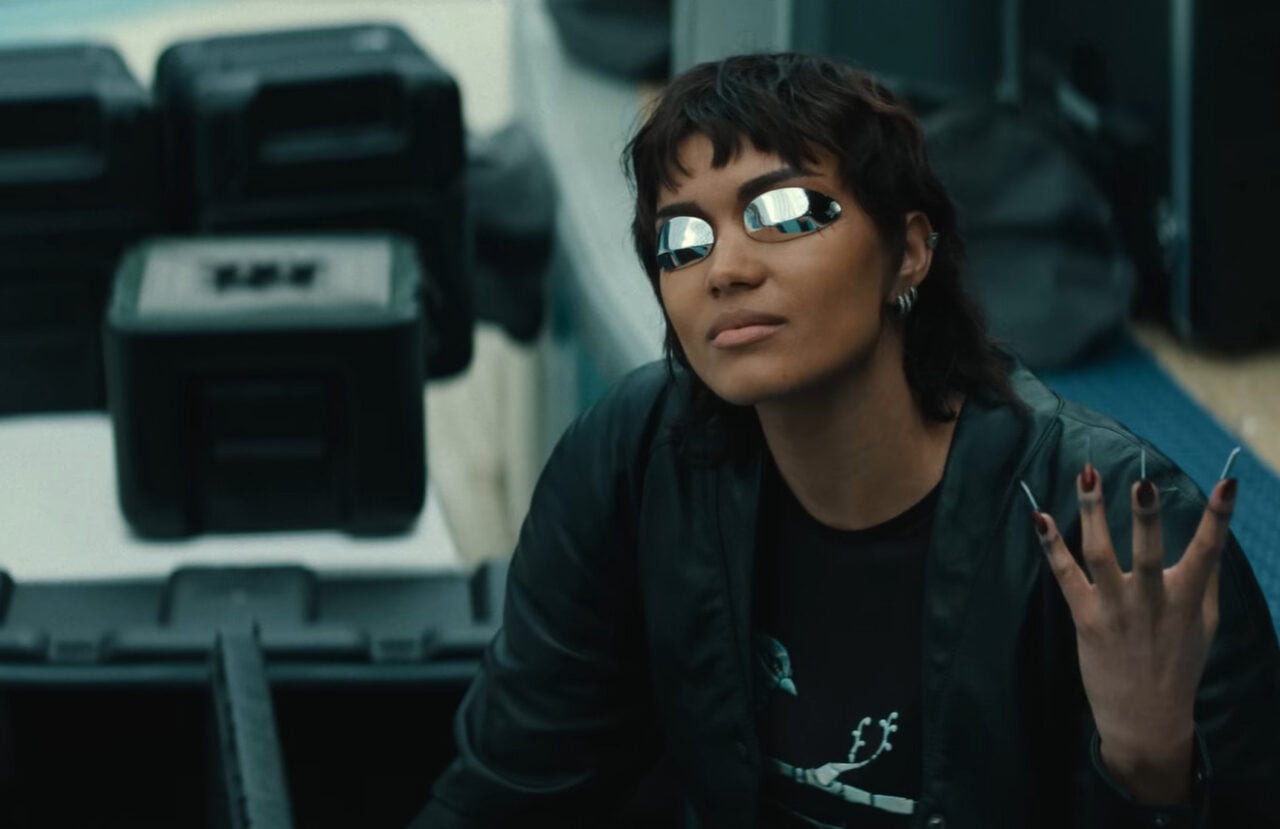
Apple’s series adaptation features a remarkable cast: Callum Turner from *Green Room* and *Fantastic Beasts* plays Case, Briana Middleton from *The Inheritance* takes on the role of Molly, and Mark Strong, recognized for his roles in *The Kingsmen*, surprisingly sports hair for his portrayal of Armitage. The trailer provides an enticing preview of these character-focused narratives as they maneuver through the murky depths of the criminal underworld and the intricacies of a digitally controlled reality. It seems the adaptation manages to balance the key aspects of the cyberpunk aesthetic while steering clear of overused neon tropes.

**A History of Unsuccessful Adaptations**

In spite of the rich narrative and engaging themes of *Neuromancer*, various attempts to bring the novel to the big screen have stumbled. Critics often labeled it “unfilmable” due to its complex layers and high-concept themes. Notably, in 2010, director Vincenzo Natali, celebrated for *Cube*, revealed ambitions for his own adaptation, but it never moved beyond the conceptual stage. The most prominent contributions to the *Neuromancer* legacy so far include a star-studded video game by Interplay and a notable BBC Radio play. The 1995 film *Johnny Mnemonic*, with Keanu Reeves, took significant liberties with the original material but partially delved into its themes.

**Looking Forward**

The Apple TV adaptation of *Neuromancer* is scheduled to debut in January 2027. The project is directed by Graham Roland, known for his work on *Jack Ryan*, and JD Dillard, the director of *Sleight*. Intriguingly, the Wikipedia page for the show lists Drake as an executive producer, underscoring how cyberpunk continues to progress and resonate, reflecting its cultural importance across boundaries and eras.

As excitement mounts for this long-anticipated interpretation, enthusiasts of the genre and Gibson’s oeuvre eagerly await how Apple’s adaptation will tackle the intricacies of a narrative that has influenced the cyberpunk landscape and continues to spur creativity in film and media.

Uncategorized

Marvel’s Updates at San Diego Comic Con 2026: Avengers, Ghost Rider, and Beyond

The excitement was palpable at Marvel’s eagerly awaited Hall H panel during San Diego Comic Con 2026. The studio unveiled not only additional footage of Avengers: Doomsday but also announced new films, release dates, and casting news. Here’s a recap of all the highlights from the July 25 media event.

The Deadpool and Wolverine filmmaker is behind a new Ghost Rider film

Marvel

Shawn Levy is at the helm of the standalone movie set for 2028. His previous superhero endeavor earned $1.3 million at the box office. Can he transform a Marvel B-lister into yet another popular blockbuster? Possibly.

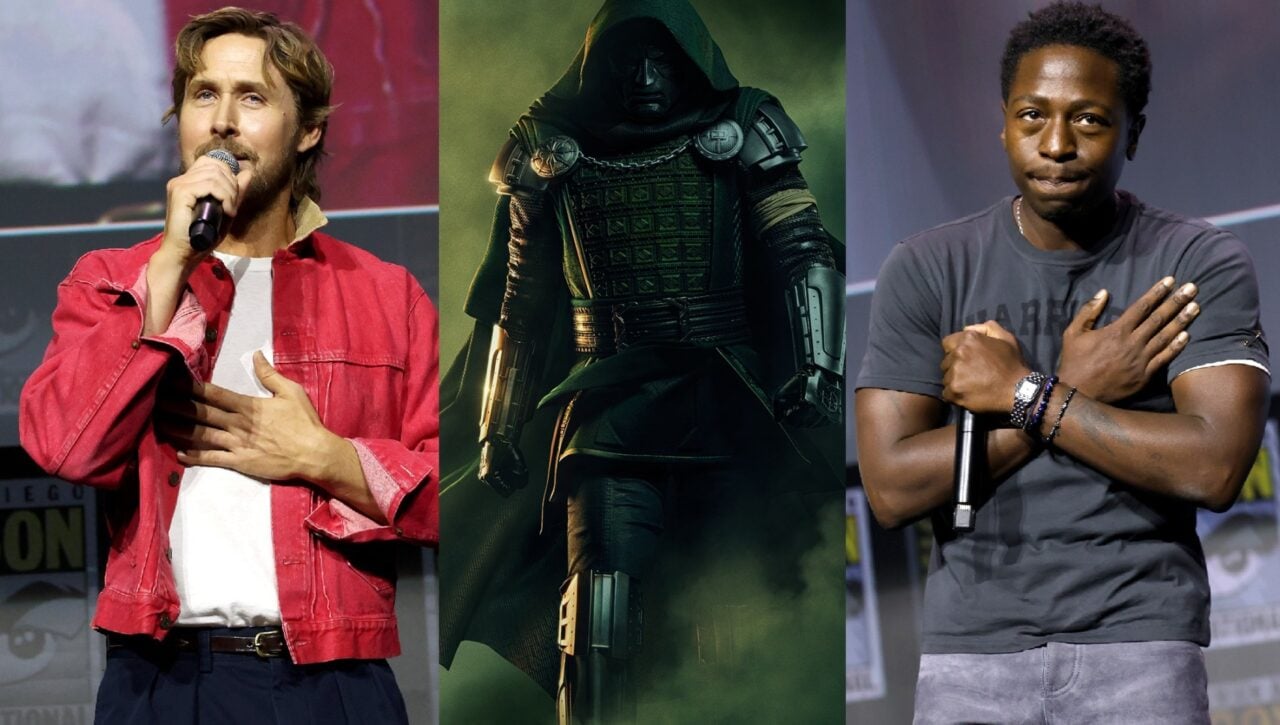
Starring Ryan Gosling as Ghost Rider

Following his success in Project Hail Mary and leading into next year’s Star Wars: Starfighter (also directed by Levy), Gosling joins the MCU portraying the motorcycle daredevil who made a deal with the devil and now seeks out demons. We’ve officially entered a Gosling resurgence where fans are asking if there are any roles that he shouldn’t be considered for, even Indiana Jones.

Black Panther 3 is on the way in 2028

Additionally, Marvel is not recasting T’Challa. Rather than replacing Chadwick Boseman, the upcoming Black Panther film will center around T’Challa’s son, portrayed by The Long Walk‘s David Jonsson. Previously, Denzel Washington had mentioned that Ryan Coogler was crafting a character for him in Black Panther 3, set to release on December 15, 2018, although this was not confirmed at the event.

A new Avengers: Doomsday trailer emphasizes his backstory

Uncategorized

Marvel Executive Responds to Criticism of Avengers: Doomsday Trailer for Lack of Development

### The Excitement and Debate Surrounding *Avengers: Doomsday*

The Marvel Cinematic Universe (MCU) continues to enthrall viewers with its expanding array of superheroes and engaging storylines. The eagerly awaited premiere of *Avengers: Doomsday* has sparked considerable enthusiasm among fans, particularly after the release of its initial trailer. Nonetheless, this excitement is accompanied by a wave of criticism, highlighting concerns regarding the pacing and the setup for the film’s main conflict.

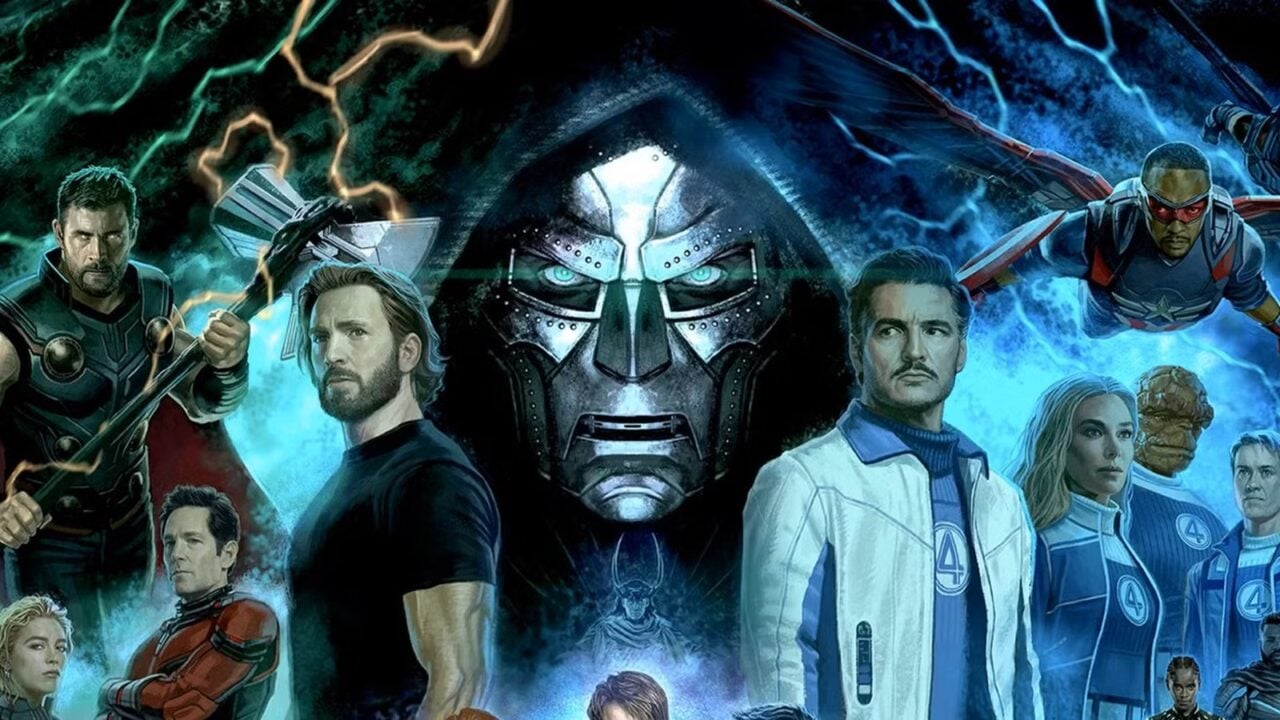
One major criticism focuses on the trailer being viewed as an elaborate trip down memory lane, with numerous fans comparing it to a costly game of “let’s recall familiar faces.” Critics contend that the film seems poised for another grand battle reminiscent of *Infinity War*, yet lacking the careful groundwork established over many prior films. Unlike Thanos, who gained his reputation as an imposing villain through years of careful development, the shift to Robert Downey Jr.’s Doctor Doom appears rushed to some viewers.

Kevin Feige, the head of Marvel Studios, joined the conversation during his interview at San Diego Comic-Con 2026. He recognized the fans’ feelings but suggested a misunderstanding of Thanos’s early appearances in the MCU. “I’m never sure about anything, I just strive to deliver,” he shared. He highlighted that Thanos’s initial appearances were quite limited—just a fleeting moment sitting in a chair and a few vague allusions. Feige underscored that *Infinity War* marked Thanos’s real introduction, and he aims to take a similar narrative path with Doctor Doom in *Doomsday*, allowing audiences to gradually uncover his persona throughout the film.

Historically, Thanos was indeed orchestrated over several films before *Infinity War*. His debut took place in the mid-credits scene of *The Avengers* in 2012, hinting at the looming danger of the Infinity Stones. Fans were gradually brought to know his character through later films, from *Guardians of the Galaxy* in 2014 to *Age of Ultron* in 2015. This buildup created a context for his motives and deeds, culminating in a well-defined mythos by the time viewers reached *Infinity War* in 2018.

In contrast, Doctor Doom’s introduction has happened at a notably quicker pace. His first mention occurred at Comic-Con 2024, followed by a mid-credits scene in the 2025 film *Fantastic Four*. The timeline gap for Doom is sharp, especially considering that *Doomsday* would have ideally debuted in May 2026 were it not for delays. This contrast in pacing raises important questions about whether such a swift transition can genuinely resonate with audiences, particularly when compared to Thanos’s drawn-out and thoroughly documented storyline.

Moreover, the MCU’s shift from Jonathan Majors’ Kang, who many anticipated would be a central figure in the next chapter, to emphasizing Doctor Doom has ignited discussions about the cohesiveness of Marvel’s storytelling approach. This quick transition illustrates the complexities inherent in franchise filmmaking and the crucial need for carefully planned character introductions, especially for a villain of Doom’s stature.

While it is crucial for the upcoming film to work as an independent narrative, expectations are high for *Avengers: Doomsday*, particularly in relation to its predecessors. The film will have to juggle the pressures of its legacy while appealing to both long-time fans and newcomers to the Marvel universe without being overwhelmed by its own lore. As we anticipate its debut, interest is also rising for the forthcoming *Avengers: Secret Wars*, set to follow just a year later, bringing forth additional questions regarding the overall trajectory of the franchise.

Ultimately, only the passage of time will disclose how *Avengers: Doomsday* navigates these hurdles and whether it can effectively engage a diverse audience while establishing Doctor Doom as a significant villain in the MCU timeline.

Uncategorized

The Weekly Review of Sunday Newspaper Articles

Sundays are for sobbingly lifting exactly one boulder from the groaning dreampile that is my backlog. Good news, Vacuity, cpt_freakout and the rest – I’m trying out your precious, precious Troubleshooter game. I hear it’s a hundred hours long, so please do not take this as a promise that a write-up is forthcoming. So far my major takeaways are 1) I enjoy collecting masteries, aka packages of abilities and modifiers, and 2) this “Short Break” track is cooool. Please hum along while browsing our latest collection of Rollicking Reads.

Read more

Uncategorized

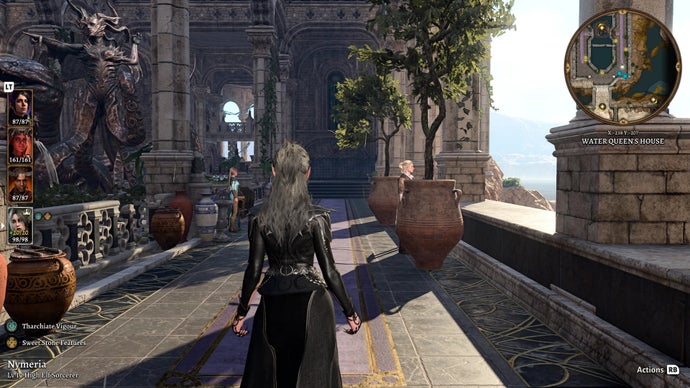
Enhance Your Baldur’s Gate 3 Experience with a True Third-Person Camera Mod

Video game cameras are often a point of contention primarily because a bad one can completely disorient you, or even outright make you feel sick. These are worthwhile things to consider, but I do wish there was more of a discussion around the specific choices that are made in particular camera angles and positions, and how it might actually be important that certain games should be played in the way they are designed. I’m going to throw all of that out of the window right now though and tell you about a Baldur’s Gate 3 true third-person camera mod.

Read more

Uncategorized

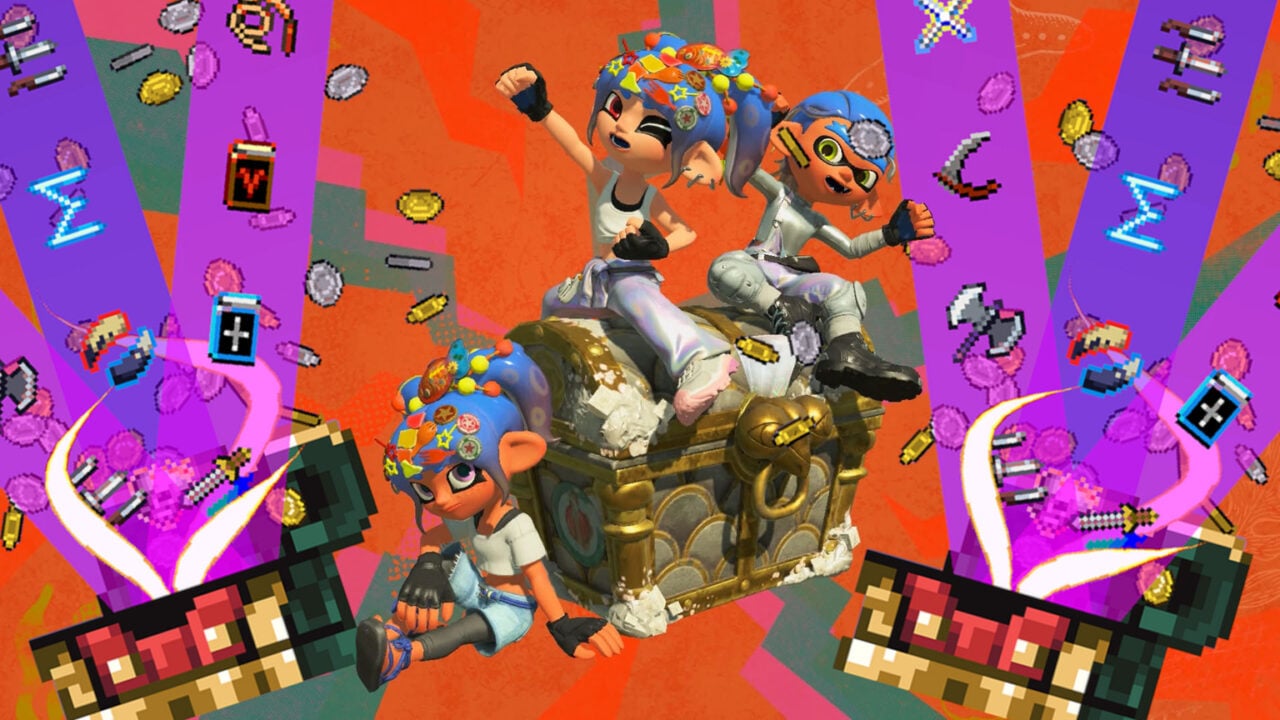
The Tactical Tank Converts Splatoon Raiders into Vampire Survivors

**Investigating the Mechanics of *Splatoon Raiders*: A Comprehensive Summary**

Nintendo’s newest offering, *Splatoon Raiders*, has quickly drawn the interest of gamers and reviewers alike. Expanding on the foundations of the *Splatoon* series, this latest addition presents players with a distinctive extraction shooter experience, diverging from the well-known urban settings of its predecessors. Instead, players traverse unexplored islands, setting the scene for an engaging encounter with the game’s iconic foes—the Salmonids.

In *Splatoon Raiders*, the focus shifts from community-based play to highlight individual gameplay, while team adventures remain an option. Gamers are immersed in rapid dungeon raids amid haunting, abandoned beaches and cluttered reefs. The Salmonids, deformed fish mutants, present a significant challenge, emerging from every direction and intensifying the chaos that characterizes the gameplay.

A common remark from players is the noticeable stagnation in weapon varieties compared to earlier versions of the franchise. Even with the modified gameplay dynamics, many traditional weapons seem underwhelming during solo endeavors. The real breakthrough is the introduction of the Tanks, specialized tools that alter gameplay with various “Gadgets.” There are three unique Tanks: the Speed Tank for quickness, the Power Tank for destructive force, and the Tactical Tank, which is especially valued for its strategic benefits.

The Tactical Tank, in particular, focuses on deploying an array of drones and devices meant for dealing chip damage. Initially, players have access to a basic sentry gun, but as they progress, they unlock more advanced gadgets, like the Tether Wail—an innovative tool that strikes at foes—and the Hi-Fiver, which fires bouncing laser beams. However, the standout feature is the Bombloons: helium-filled explosives that deal damage while adhering with toxic threads.

In contrast to earlier *Splatoon* titles, where players concentrate on identifying the ideal target according to their weapon, *Raiders* requires tactical thinking to maneuver through the swarming Salmonids and effectively dominate the environment. One of the most thrilling elements of the game is realizing the potential of creating complex balloon traps, leading to a feeling of fulfillment akin to accomplishing challenging goals in games like *Vampire Survivors*, where players design chaotic destruction patterns.

While *Splatoon Raiders* might not yet take the lead in the extraction shooter arena, it displays notable innovation through its unique weapon setups, which turn standard gameplay into a micro-genre of its own. The game promotes experimentation with its three Tanks, yet the Tactical Tank stands out as a favorite due to its engaging and useful equipment. Players develop a partnership with their gadgets, fostering a sense of interdependence that defines the exhilarating combat experience of the game.

In summary, *Splatoon Raiders* has revitalized the franchise, offering an intriguing mix of strategy and action. As players delve deeper into the game, they are sure to discover even more dimensions that establish this new chapter as a captivating addition to the *Splatoon* heritage.