### Thrilling Revelations from Minecraft Live: A Fresh Dimension and Beyond!
Minecraft Live has recently wrapped up, revealing an array of exhilarating updates and features on the much-loved block-building game. Among the highlighted announcements is the highly awaited **Minecraft Dungeons II**, scheduled for launch on **September 29**. In addition to the sequel, significant transformations are imminent, including the unveiling of **The Sift**, a new dimension, expected to be introduced to both **Bedrock** and **Java** editions of Minecraft.
#### Key Features and Updates
**Minecraft Dungeons II** aims to enhance the achievements of its predecessor. This cooperative, isometric hack-and-slash title has received acclaim for its captivating gameplay and its capacity to offer family-friendly gaming experiences. The sequel will showcase a lively new art direction, varied dungeons, and a storyline influenced by the Deep Dark and Ancient Cities, complete with clashes against the powerful Warden. Noteworthy is the addition of novel gameplay mechanics like jumping, advanced armor options, and interconnected levels designed to encourage exploration rather than a linear path.
##### The Sift: A Revolutionary New Dimension
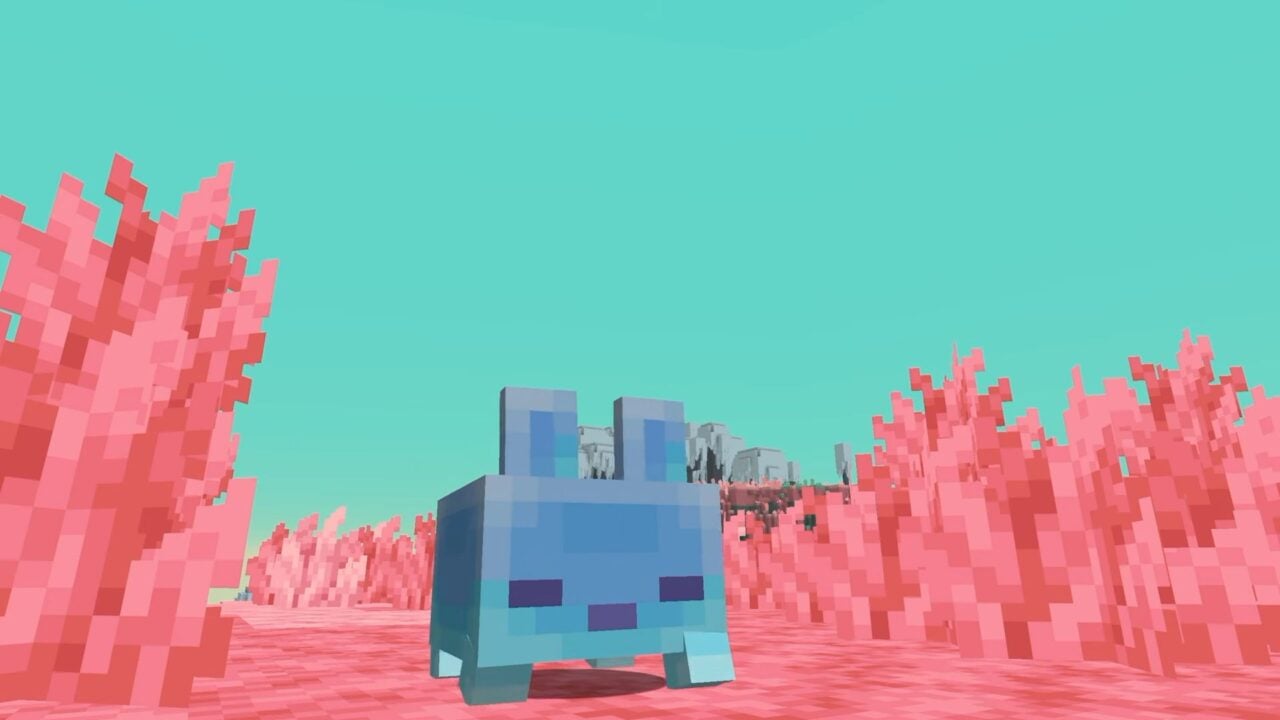
The debut of **The Sift** signifies the first incorporation of an entirely new dimension into Minecraft in over ten years, following the launch of The End back in 2011. This dimension will be outfitted with distinct biomes and creatures, introducing a plethora of new activities for gamers. While specifics remain limited, the hint of **blue bunnies** and fresh gameplay features implies a significant transformation for the Minecraft realm.
#### Creative Growth for Gamers
Alongside these substantial gameplay enhancements, Minecraft Live also emphasized improvements to player-generated content. Jens Bergenström discussed how the platform will advance to facilitate content creation, making it more accessible and engaging for both casual and professional creators. New sound effects packs will soon become available on the Marketplace, empowering players to personalize audio experiences within the game and their personal creations.
#### Subterranean Ice Caves: A Cool Addition
Another significant update is the inclusion of **subterranean ice caves**, a rare biome extension of cold territories, abundant in ores and ice resources. These caves will introduce a new mob, the **frozen zombie**, which has the capability to freeze players using ice balls. The ice features will serve both practical and aesthetic purposes, enabling players to create throwable items and freezing potions, while also illuminating their surroundings.
#### Further Announcements
Beyond gameplay improvements, Minecraft Live also hinted at a new **Minecraft-themed area** at Chessington World of Adventures in the UK, along with a related hotel. Furthermore, the primary game will be launching on **Nintendo Switch 2** on **October 27**, showcasing enhanced graphics more aligned with Xbox and PS5.
### Summary
With the emergence of **The Sift**, upgraded gameplay experiences in **Minecraft Dungeons II**, and new creative tools, Minecraft continues to advance and grow, offering thrilling adventures for both seasoned players and newcomers. As further details become available, anticipation for these updates increases, reinforcing Minecraft’s reputation as a timeless favorite in the gaming community. Keep an eye out for more information as it arises!