Uncategorized

Key Takeaways from Lead Designers Regarding World of Warcraft: Forever
### Blizzcon 2026 Highlights: World of Warcraft: Forever

Blizzcon 2026 unveiled an exciting announcement: *World of Warcraft: Forever*. This new installment is designed for players yearning for the nostalgic feel of *Classic WoW* while delivering a novel approach to content without rehashing previous dungeons and raids.

Lead Classic designer Tim Jones and lead encounter designer Mike Nuthals offered essential insights into the forthcoming game, scheduled to debut on November 4. Below are eight significant points discussed during their presentation.

#### No Unconventional Class Combinations at Launch

In contrast to the *Season of Discovery*, which permitted unorthodox class roles like Shaman Tanks, *Forever* will adhere to conventional class specifications at launch. Jones stressed the intention to prioritize simplicity and clear identities among classes, avoiding the disorder witnessed in past iterations. While the team remains receptive to input regarding distinctive roles, players should not anticipate the same degree of flexibility initially.

#### Varied Raid Options

Considering feedback on inflexible raid sizes, each raid tier in *Forever* will present at least one 10-player option and one 20-player option. This adjustment accommodates different group sizes, ensuring that smaller teams can tackle challenging content without being compelled to join larger groups. Jones assured that 10-player raids will consistently offer a legitimate challenge and rewards.

#### Higher Mount Training Costs

To reflect player investment, *Forever* will impose increased gold costs associated with mount training. Although details on monetization strategies were not revealed, Jones underscored the necessity for players to exert effort to earn rewards, enhancing the sense of accomplishment when obtaining mounts.

#### Warlock Summoning Features

Players will still require a Warlock in their group to summon party members to dungeons and raids, as Meeting Stones will not provide this capability. Instead, they will support a new Looking for Group feature. The team believes that some downtime before significant activities promotes social interactions, allowing players to engage before facing challenges.

#### Add-on Limitations

While details regarding add-on functionalities in *Forever* remain unclear, Nuthals suggested alignment with retail conventions, limiting in-game or in-combat calculators. The aim is to sustain a balanced experience without permitting automation to reduce player involvement.

#### Depth in Combat Mechanics

Players should not anticipate a simplistic one-button rotation in *Forever*. The design aims to uphold a level of complexity, ensuring gameplay remains engaging without being overly simplified.

#### Innovative PvP Progression System

Battlegrounds will feature a new progression system where players gain honor to rise through ranks. This framework promises various rewards, including PvP gear and cosmetic items, while also introducing new battlegrounds such as the Darkspear Islands.

#### A Promise of Longevity

The title “Forever” signifies a commitment to providing ongoing content and a consistent gaming setting. Jones communicated that players can invest their time in characters with the assurance that their efforts will produce enduring outcomes. This approach shifts away from seasonal limitations, emphasizing horizontal progression and the introduction of content that accommodates diverse playstyles.

*World of Warcraft: Forever* aspires to offer a distinctive mix of nostalgic gameplay combined with new experiences, ensuring a community-driven and player-centered environment for many years ahead.
Uncategorized

Veteran Thief Designer Challenges the Need for AAA Graphics in Gaming: ‘Why Are More Graphics Necessary?’

### The Future of Immersive Sims: Thoughts from Veteran Designer Randy Smith Evergreen

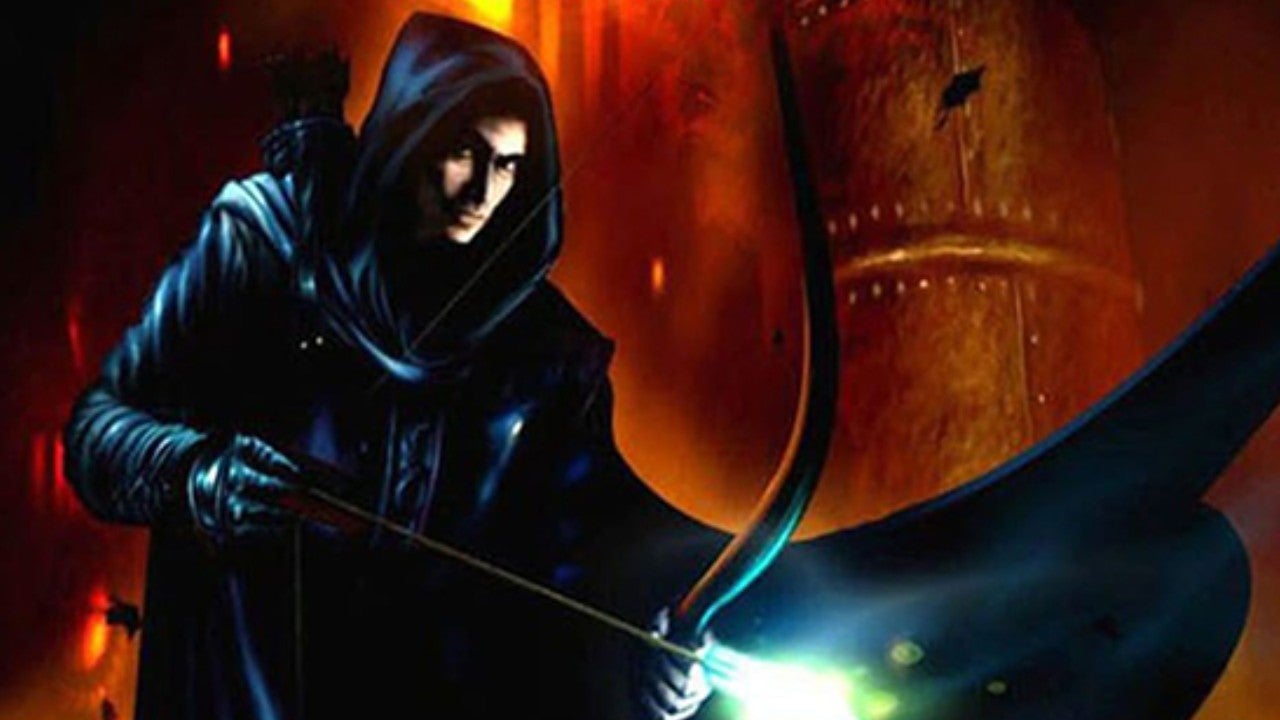
In the continually changing realm of the gaming sector, veteran game creator Randy Smith Evergreen, recognized for his notable input in the *Thief* series, emphasizes the significance of prioritizing high-caliber content and gameplay over massive production budgets. His perspectives, particularly pertinent for indie developers and creators of immersive simulation games, highlight a transition from an emphasis on hyper-realistic visuals to significant gameplay experiences, particularly as the industry looks toward 2026.

#### A Change in Budgeting for Quality

In a recent discussion with *PC Gamer*, Smith Evergreen noted the stark difference between the budget of the initial *Thief* title, which was about $3 million, and the bloated budgets of contemporary AAA games, which can exceed $250 million. He proposes that creating a modern immersive sim in 2026 should ideally keep a budget between $3 to $10 million. He asserts that a larger budget does not inherently link to greater sales or success, particularly in a niche genre like immersive sims, which caters to a specific segment of the gaming audience.

Smith underlines that the perceived necessity for larger budgets often arises from the industry’s fixation on cutting-edge graphics. Nevertheless, he contends that the winning components of a game lie more in quality content and gameplay mechanics than in graphical excellence. “It’s not apparent to me that the $3-million *Thief* or *Deus Ex* style immersive sim that you aim to create in the year 2026 is going to sell disproportionately different quantities of copies than the $250-million one that emerges from a major studio,” he stated.

#### The Importance of Visual Fidelity

Smith Evergreen maintains that a game’s visuals need to achieve only a reasonable level of fidelity to successfully engage players. Referencing *Alan Wake*, he noted that although the game was fairly photorealistic, the question persists whether enhanced graphical detail significantly enhances the gaming experience. “As long as the game’s visuals set the atmosphere and clearly convey what the player needs to know, that’s sufficient,” he observed.

He acknowledges that although players may lean toward visually appealing games with intricate graphics, such features are not imperative for an immersive experience. Games that demonstrate strong gameplay combined with creativity have consistently connected with audiences, a pattern visible in numerous cherished indie titles developed over the last thirty years.

#### The Future for Indie Developers

Smith Evergreen champions a new path in the gaming industry, especially within the indie sector. He advocates for game developers to strive for high-quality content while eschewing excessive expenditures on production. “That’s the direction I think a lot of things need to take right now,” he expressed, reinforcing the idea that creativity and gameplay should come before extravagant graphical displays.

This viewpoint aligns with the rising trend of indie games that emphasize innovative gameplay mechanics and storytelling over excessive production values. Titles like *FTL* serve as prominent examples of games that have found success with relatively modest budgets, demonstrating that creativity frequently outshines high expenses.

#### Conclusion

Randy Smith Evergreen’s insights act as a vital reminder to game makers about the fundamental elements that lead to successful gaming experiences. As the industry evolves and technology progresses, the focus should revert to crafting engaging, high-quality gameplay that captivates players, rather than yielding to the demands of producing visually stunning but financially taxing titles. As indie developers navigate this terrain, Smith’s suggestions could shape the future of immersive simulation games and the larger gaming community. For additional insights on his perspectives regarding the industry and forthcoming projects, readers can check out *PC Gamer’s* complete interview.

Uncategorized

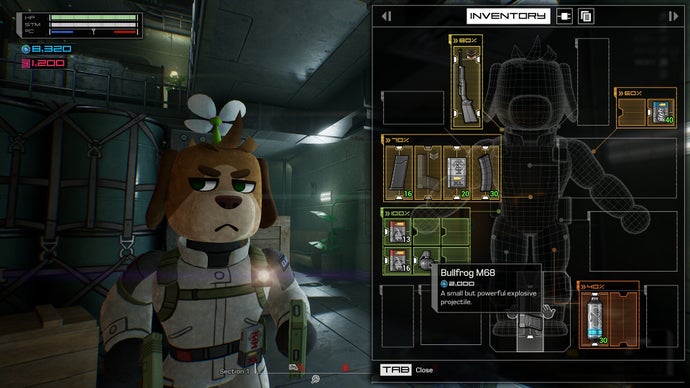
This Week in PC Games: Experience Magic Girl Adventures in Kernel Hearts, Dog Commando Missions in Fright Train, and Capital Class Warfare in Sublight

Happy new week all! Over the weekend I banished all thought of rocks, paper or shotguns and volunteered to pick apples at a local orchard. Many wonderful varieties were carefully netted, then jumbled together in a huge mesh bag: speckled golden sours, fit to devour immediately with an appreciative grimace; jolly green cookers, wearing their scabs like medals of honour; sharp little reds that slice up into the clearest white wedges. Such intoxicating fruit! As we blundered around with poles and hard hats, we trampled on dozens of fallen, rotting apples, spicing the air with a sickly pungence.

It was then that I saw it: the juiciest apple of all, dangling almost within grabbing distance in a peculiar depth of shade, beneath a tree of somehow abyssal provenance – its leaves salt-rimed and its roots akin to sunken steel anchors. I reached and the apple danced back a metre, becoming luminous. By its light, I perceived the slow parting of enormous crystal fangs. Damn it, Maw! I am trying to pick apples in peace. It’s just as well I’ve brought a second mesh bag of new PC games to feed you.

Read more

Uncategorized

Inquiry for Romantic Choices for a Character in Fire Emblem: Fortune’s Weave

**Fire Emblem: Fortune’s Weave Character Insights**

As the launch of *Fire Emblem: Fortune’s Weave* gets closer, the gaming community’s enthusiasm is undeniable. Nintendo’s Japanese Twitter account has been actively sharing character biographies, offering glimpses into possible allies and adversaries in the game. One character that captures attention in these updates is the enigmatic Jester, portrayed as a sword-brandishing gladiator whose jester-like appearance conceals a more sinister side.

### Jester: The Ominous Gladiator

Jester, voiced by Takuma Nagatsuka, is enveloped in mystery. Known as the “Joker of Hell,” his erratic antics are infamous for instilling dread in his foes. Jester’s skills include amplified damage after a dodge, rendering him a daunting adversary in combat. His character biography suggests a chilling obsession with fear—he revels in observing the terror reflected on his opponents’ faces. This unnerving charisma adds a distinctive flavor to the character lineup and prompts conjecture about potential romances in the game.

### Diverse Character Lineup

In addition to Jester, *Fortune’s Weave* showcases a diverse array of characters, especially women of color, enhancing the game’s narrative depth. One such character is Noctura, a warrior with a toned build, originating from a combative tribe but disillusioned with pastoral living. She yearns for the dynamic rhythm of city life, having relocated to the capital, Daghion.

Another prominent character is Nudine, a mercenary with a rich history rooted in courage. Hailing from the Salamis Kingdom, Nudine is esteemed as a great fighter and now roams Daghion after an internal conflict. Her commitment to justice and combat skill makes her a fascinating figure within the game.

### Fan-Favorite Returns

The game also features the return of well-known characters, like Seteth from *Three Houses*. His involvement raises questions about the game’s timeline—debate continues regarding whether it acts as a prequel or sequel to its predecessor. Seteth’s narrative is expected to unveil captivating story elements as he engages with new characters and reveals secrets about the world of *Fortune’s Weave*.

### Anticipating Character Interactions

With each new character revealed, players are left contemplating the possibilities for profound connections and relationships. As seen in earlier *Fire Emblem* games, players may embark on romantic journeys with their favored characters, including Jester, who, despite his whirlwind nature, offers an allure that might appeal to players seeking unconventional ties.

The introduction of characters like Diego, a stoic warrior from a tribal heritage, and Talimun, a sly merchant with aspirations linked to wealth and exploration, only intensifies interest in the relationships that could evolve throughout the gameplay.

### Conclusion

*Fire Emblem: Fortune’s Weave* is shaping up to be a vibrant collection of character stories, offering a mix of the bizarre and the well-known. As the release date approaches, players eagerly look forward not just to the combat mechanics but also to the intricate web of relationships that will enrich their journey in this new chapter of the Fire Emblem saga.

Uncategorized

Valve’s Steam Frame VR Headset Now Available for Orders; Starting Price at £889 / $1,059 for Base Model

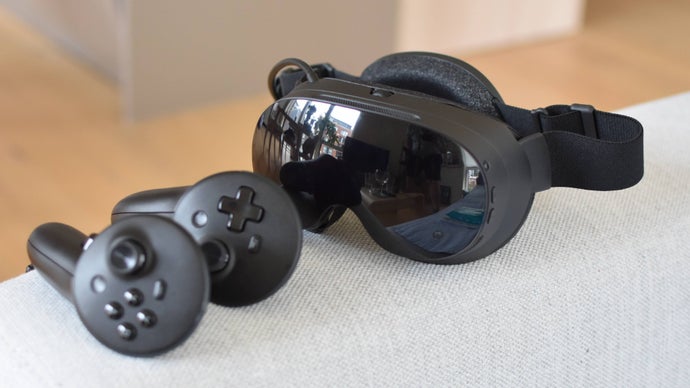
Valve have just launched the Steam Frame wireless VR headset, finally completing the triumvirate of new hardware – along with the new Steam Machine and Steam Controller – that they unveiled all the way back in November 2025. The review embargo has also lifted, meaning I can tell you that it’s a smart and flexible piece of virtual reality kit. Definitely the most versatile of its kind, in terms of how it lets you play games.

Less triumphantly, the Frame has clearly sustained the impact of the same memory shortages and component cost explosions that jacked up the Machine’s pricing and limited its stock. Thus, despite initial plans to make the Frame cheaper than the ultra-premium Valve Index, the Steam Frame starts at £889 / $1,059 / €1,049 for the smaller 256GB model. That rises to £1,089 / $1,299 / €1,279 for the top 1TB version, with several accessory options potentially bumping out the outlay even further.

Read more

Uncategorized

Valve Affirms No Alterations to Steam Deck 2 Strategy Despite RAM Supply Concerns

**Valve Unveils Registration for Steam Frame VR Headset with Plans for Steam Deck 2**

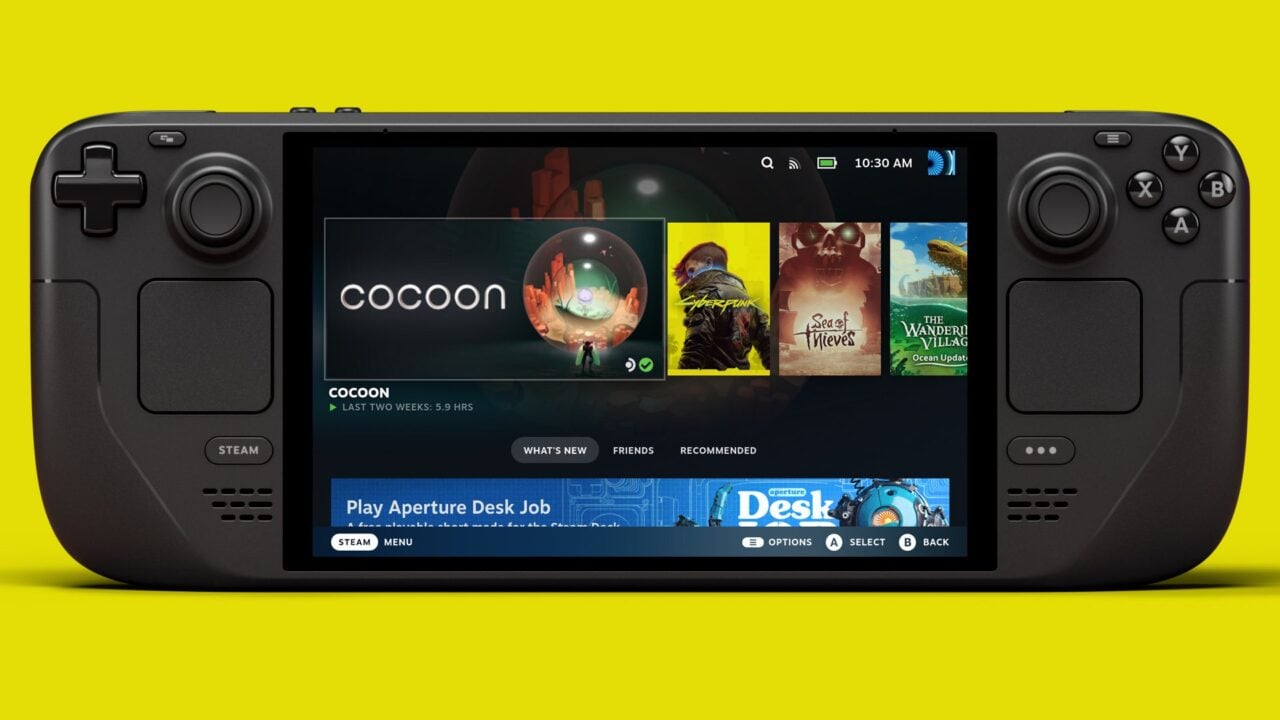
Valve has officially launched the registration process for its eagerly awaited virtual reality headset, the Steam Frame, which is tagged at over $1,000. This news signifies the initiation of Valve’s endeavor into three new gaming hardware pieces expected to debut in 2026. Following the successful reception of the Steam Deck, a portable PC that has gained immense popularity, Valve enthusiasts are keenly anticipating a new iteration, the Steam Deck 2.

In a recent discussion with IGN, Valve developer Pierre-Loup Griffais responded to worries surrounding the ongoing RAM crisis’s effect on the Steam Deck 2’s progress. Despite the significant increases in tech pricing and supply shortages, Griffais assured that the development of the new handheld is proceeding smoothly. He underscored that the company is dedicated to delivering a substantial performance enhancement while upholding user experience quality.

Griffais remarked, “Not really,” in reply to the question of whether the RAM crisis has postponed the Steam Deck 2. He reassured fans that Valve is set on providing a next-generation product that meets their performance expectations while navigating the current market obstacles. The company’s strategy remains focused on achieving a remarkable technological advancement without jeopardizing battery performance.

Valve has been candid about its goals to develop a successor to the original Steam Deck since its launch. Previously, they expressed the intention to wait for a generational leap in processing power to secure the second generation’s success. Initial speculation indicated a possible release around 2028, but the present emphasis is on effectively overcoming today’s challenges.

Griffais also recognized that while the RAM crisis has not changed the timeline for the Steam Deck 2, it has affected other products, including the original Steam Deck and Steam Machine. He observed that the pricing of these devices might be impacting consumer interest. “It’s a little hard to say because we’re still working on getting the whole launch quantity through, but in practice, I mean I think price for sure impacts demand,” he noted.

As Valve moves ahead with its ambitions, the gaming community remains optimistic about the future of both the Steam Frame VR headset and the anticipated Steam Deck 2, eager to witness how these advancements will transform gaming experiences.

Uncategorized

Developers of The King Is Watching Create New Game The Crab Is Walking, Reports Journalist

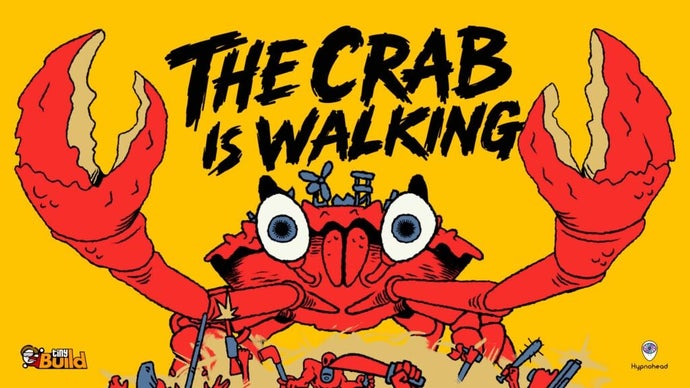
The King Is Watching developers Hypnohead have announced The Crab Is Walking, a roguelite city-builder in which you alternate between arranging tetronimo-shaped city districts on the back of a colossal crustacean, and sending out armies of Mad Maxalots to slaughter wasteland insects. Unlike in The King Is Watching, you do not have to actively train your gaze on your crab metropolis to stop it slacking off.

Read more

Uncategorized

IGN Faces Job Cuts in Multiple Departments, Affecting Long-Time Presenters

### IGN’s Layoff Season: Effects on the Gaming Sector

IGN, a prominent gaming publication, is currently undergoing major staffing changes during what has been termed its “Summer of Gaming.” Recent reports indicate that IGN is initiating yet another wave of layoffs, impacting several key personnel, including well-known video hosts Seth Macy and Brian Altano. Altano, who has been with IGN since 2009 and has served as a long-standing host of the popular PlayStation podcast, Beyond, sees his exit as a significant transformation for the organization.

The layoffs are said to affect various departments within IGN, although the precise number of impacted individuals is still unknown. It seems that elements such as the employees’ remote work conditions and their readiness to relocate amid these transitions are influencing the decisions taken. The latest cuts follow a trend observed within the company, as a similar sequence of layoffs recently followed major happenings such as IGN Live, aligning with the Summer Game Fest.

The timing of these layoffs has sparked questions and worries among both employees and industry analysts. A representative from the IGN Creators Guild has expressed increasing apprehension regarding the company’s practice of conducting layoffs right after successful events, hinting at a concerning pattern that could affect employee morale and the overall company culture.

Alongside its layoffs, IGN has effectively hosted notable events, including on-the-ground coverage during San Diego Comic-Con earlier this summer, showcasing interviews and content creation led by seasoned professionals like Altano. Despite these successful endeavors, the current round of job losses highlights the volatile environment many media and entertainment firms grapple with as they respond to changing market conditions and internal hurdles.

As IGN works through these transitions, the repercussions for its future trajectory and the wider gaming media landscape remain uncertain. Industry observers will be monitoring closely how these layoffs influence both the company’s production and the remaining workforce, as well as the general reaction from the gaming community.

Uncategorized

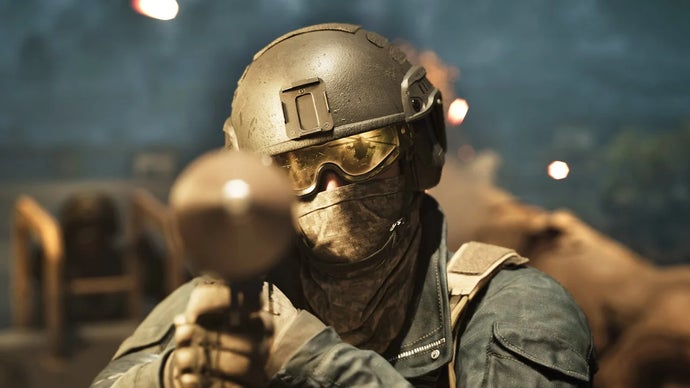
Wardogs Developers Intensify Monitoring of Servers to Combat XP Farms and Cash Exploits While Advocating for Grinding Activities

The creators of military shooter Wardogs have announced that they will crack down heavily on players who use exploits and bugs to speedily farm in-game currency and XP, or who spend “more than a few minutes” in servers created for this purpose.

Given that Wardogs advertises itself as a shooter about getting rich – a game in which “cash is king”, with individualised payouts for a bunch of different in-game actions – I do feel like Bulkhead are sending mixed messages, even by the standards of incoherent wargames. Trying to define ‘fairly earned’ in a game that encourages you to be a frenzied, gun-toting plutomaniac is surely plunging headfirst into farce. Mind you, I respect the desire to Maintain The Fun for players who aren’t quite as dollar-driven, and avoid having a community browser slammed with servers called “[EU/DOGF$RM]” or similar.

Read more

Uncategorized

Potential Resolution Found by Pokémon Enthusiast to Tackle Pokémon Bank Closure

**The Evolution of Pokémon Trading: GBA-to-Switch Adapter Project in Light of Pokémon Bank’s Closure**

Recently, The Pokémon Company revealed its plans to discontinue **Pokémon Bank** in 2027, signaling the conclusion of a critical era in the franchise’s timeline. This 3DS storage utility has connected generations of Pokémon games since the Game Boy Advance period. With its forthcoming shutdown, the cherished custom of trading Pokémon is set to advance, shifting focus to the new platform-independent **Pokémon Home**. Meanwhile, an exciting initiative by developer Andrew Henley is emerging, aiming to bridge the gap between legacy hardware and contemporary gaming platforms.

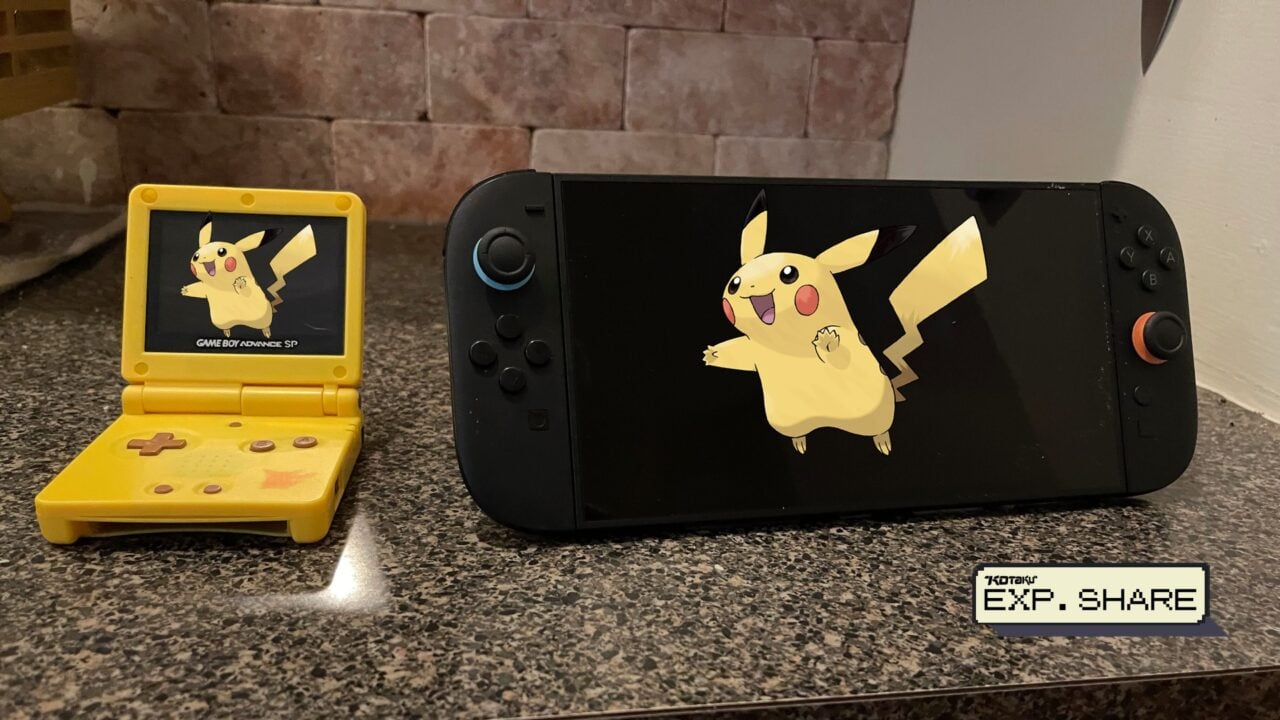
Motivated by a personal wish to trade Pokémon from his original Game Boy Advance (GBA) games to their Nintendo Switch versions, Henley has created a functional prototype of a GBA-to-Switch adapter. His announcement via social media has struck a chord with the gaming community, highlighting the possibility of interoperability between a two-decade-old device and the latest gaming platform.

In his discussion with **Kotaku**, Henley shared how the venture started as a personal hobby but evolved into a technical endeavor that he pursued with enthusiasm. The project showcases considerable innovation, permitting Pokémon from classic titles such as **FireRed** and **LeafGreen** to engage with their modern counterparts on the Switch.

Establishing a communication link between two devices that utilize fundamentally different technologies presented notable hurdles. Henley remarked, “The challenge is getting two systems that were never designed to talk to each other to stay synchronized and communicate reliably in real time.” His strategy includes creating a translator device that interacts with both systems, allowing for seamless communication without modifying the original games.

While contemporary gaming systems typically feature backward compatibility, the transition from GBA to Switch is unique. Henley’s background spans multiple sectors, and his varied experience has been instrumental in grasping and facilitating communication between these distinct systems. The adapter acts as a translator, enabling both consoles to interact naturally without altering their core structures.

At present, Henley’s priority is to enable Pokémon exchanges across different generations; however, the underlying framework of his initiative is adaptable for various uses. His dedication to preserving the authenticity of the original games ensures that interactions take place without any modifications to the existing software.

Henley emphasizes the significance of linking antiquated technology with modern systems, highlighting the rich history contained within older hardware and software. He is a proponent of upholding these connections through innovations that respect the original gaming experience.

Looking ahead, Henley intends to create a user-friendly production model of the adapter. While he acknowledges that wider acceptance of such specialized peripherals may be a challenge for larger firms like Nintendo, he is motivated to continue this project independently. Current development is bolstered by informal partnerships with members of the Pokémon homebrew community, enriching his work without formal backing.

As Pokémon Bank is scheduled to officially close on February 25, 2027, Henley’s efforts may offer an alternative route for fans eager to transfer their Pokémon to newer systems. Although navigating the complexities of trading Pokémon via official methods may appear overwhelming, Henley’s initiative provides a ray of hope for nostalgic gamers hoping to maintain their cherished pocket monsters across platforms.

For the time being, those interested in preserving their Pokémon history may wish to keep an eye on Henley’s progress on social media, as his venture could become a crucial asset in the dynamic realm of Pokémon trading. The convergence of historical and current technologies may lay the foundation for future advancements that respect gaming’s legacy while embracing modern innovations.