Uncategorized

A Comparative Study of Battlefield 1942 and Medal Of Honor: Allied Assault: Identifying the Preeminent World War II Shooter
**2002: A Pivotal Year for World War II First-Person Shooters**

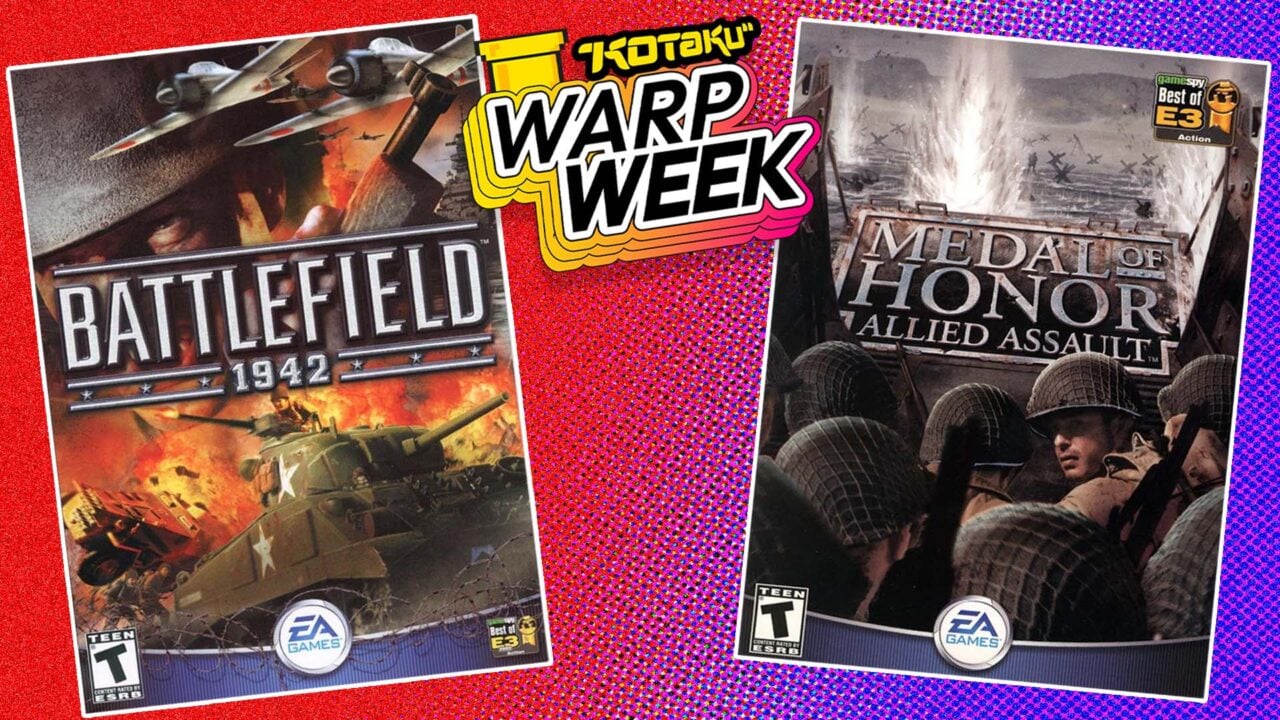
In 2002, the gaming scene was filled with captivating first-person shooters, but two titles stood out in the World War II genre: *Battlefield 1942* and *Medal of Honor: Allied Assault*. Both games, available exclusively on the PC platform, offered players immersive and thrilling gameplay that encapsulated the wartime experience in unique manners.

**Medal of Honor: Allied Assault**

Debuting in January 2002, *Medal of Honor: Allied Assault* was constructed on the reliable Quake III technology and swiftly received acclaim for its single-player campaign. Its missions ranged from covert operations to large-scale confrontations, showcasing a variety of combat situations that kept players absorbed. One of the standout moments occurs in the third mission, featuring a beach landing that conjures powerful imagery akin to *Saving Private Ryan*. This particular sequence was so striking that it motivated the developers of *Medal of Honor: Frontline* to include a comparable Omaha Beach landing mission in that game.

The game thrived in delivering an engaging single-player experience, with pre-mission briefings resonating with the tradition established by earlier titles in the *Medal of Honor* series. Although the single-player component was highly regarded, its multiplayer mode, accommodating up to 64 players, provided classic deathmatch and team deathmatch options across maps showcasing weapons from the main campaign. While it might not have been as developed as some players wished, multiplayer matches could become chaotic and enjoyable with a full server.

**Battlefield 1942**

Conversely, *Battlefield 1942* launched months later, in September 2002, and offered a different perspective on the wartime FPS concept. It notably eschewed a conventional single-player campaign, choosing instead to feature a series of multiplayer levels that enabled players to combat AI opponents. Initially underwhelming for players in search of a narrative experience, the game soon redeemed itself with its extraordinary multiplayer mechanics.

The core of *Battlefield 1942* resides in its Conquest mode, which promotes teamwork and strategic coordination among players. This mode shifts the focus from individual achievement to shared objectives, necessitating collaboration to secure and dominate bases across vast maps. With a variety of classes available, players found themselves immersed in roles that required cooperation — medics aided teammates, scouts relayed information, and assault players spearheaded assaults on enemy defenses, deepening the overall immersion in the game.

**Comparing the Giants**

The question of which game reigns supreme, *Allied Assault* or *Battlefield 1942*, depends on individual player preference. *Allied Assault* is celebrated for its authentic and engaging single-player campaign, while *Battlefield 1942* is recognized for its innovative multiplayer experience that hinted at the future trajectory of the FPS genre. Ultimately, the decision between these two giants comes down to whether one prioritizes cinematic storytelling or grand-scale cooperative gameplay.

While *Medal of Honor: Allied Assault* might have the advantage in narrative richness, the groundbreaking gameplay and teamwork-focused experiences presented by *Battlefield 1942* reflect a genre transition that resonated with numerous players. For those attracted to the excitement of extensive multiplayer clashes, *Battlefield 1942* stands out as the more enthralling choice.

Nonetheless, both franchises have made lasting impressions on the FPS genre. The ongoing development of both *Battlefield* and *Medal of Honor* titles assures a continuous competition for dominance within the gaming community, keeping fans engaged in these renowned franchises for the foreseeable future. As we observe the evolution of these series, the comparisons between their latest offerings will continue to be a key topic of discussion for FPS aficionados.
Uncategorized

Essential Takeaways from the Most Recent Previews of Insomniac’s Wolverine

**Marvel’s Wolverine: Essential Insights Before Launch**

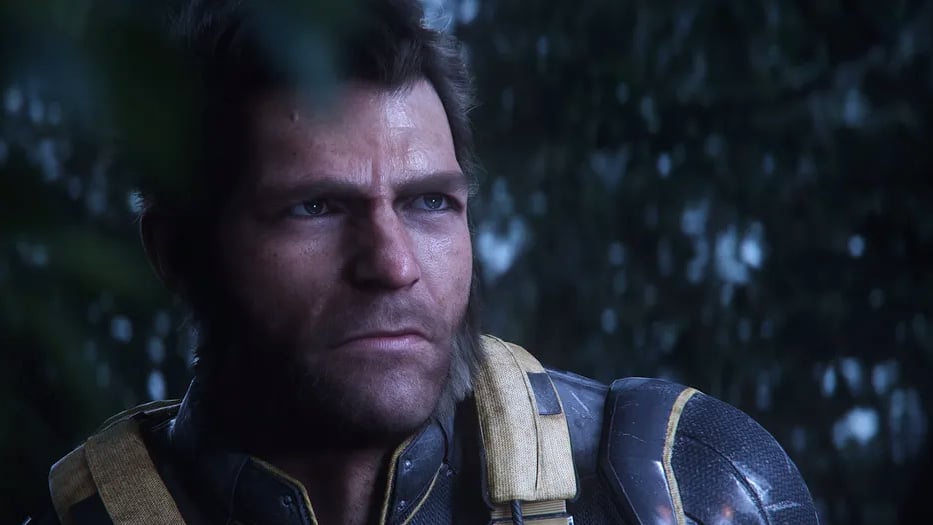
As the launch date of Insomniac Games’ eagerly awaited title, *Marvel’s Wolverine*, draws near on September 15 for PlayStation 5, anticipation is building within the gaming community. Recent previews have illuminated various facets of the game, offering a clearer understanding of what players can look forward to.

### Wolverine is the Sole Playable Character

In contrast to previous Insomniac titles that enabled players to switch between characters, *Marvel’s Wolverine* will permit players to embody Logan exclusively. This choice aims to ensure a cohesive gameplay experience without the interruptions encountered in earlier Spider-Man games, maintaining the flow and immersion as players engage with the complexities of Wolverine’s persona.

### A Story Set Before the X-Men

Positioned in a timeline prior to the establishment of the X-Men, *Wolverine* presents a narrative that excludes iconic figures like Charles Xavier or Magneto. Instead, Logan is portrayed as a member of Team X, guided by Nathaniel Essex, better known to fans as Mr. Sinister. This decision sets the groundwork for Logan’s established relationships with various characters, enriching the plot without conforming to conventional origin story clichés.

### Possible Villains and Plot Twists

Although the game has not definitively revealed its villains, Nathaniel Essex’s involvement hints at a complex narrative. Initially allied with Logan, Essex may eventually become an antagonist, echoing the character development observed in the 2018 *Spider-Man* game featuring Otto Octavius. Such plot twists enhance the depth and intrigue of Wolverine’s adventure.

### Engaging Yet Potentially Repetitive Combat

The combat system appears visceral and intense, reflecting Wolverine’s brutal essence. His adamantium claws and regenerative powers offer players distinctive mechanics. However, certain previews have indicated a potential shortfall in variety in combat compared to the wide array of maneuvers accessible in the *Spider-Man* games. Striking a balance between the excitement of claw-centric combat and innovative gameplay mechanics will be a key aspect to monitor as new skills and abilities are revealed.

### Exploration and Character Engagement

Apart from high-octane action, *Wolverine* includes quieter moments of exploration. Players can interact with the environment, engage with other mutants, and partake in leisurely activities, facilitating character development and world-building. This combination of intensity and calm is designed to immerse players in Wolverine’s world while enhancing their understanding of the characters around him.

### Development Decisions Regarding Character Inclusion

In creating the game, Insomniac intended to focus on Wolverine’s narrative while judiciously selecting supporting characters. Developers emphasized a storyline that captured the essence of Logan, resulting in the omission of certain X-Men characters that might have overshadowed his path.

### Narrative Depth via Nightmare Doors

The game also aspires to delve into Wolverine’s troubled mind through “Nightmare Doors.” These challenges invite players to engage in combat while unlocking fragments of Logan’s memories, adding an additional layer of narrative complexity. By participating in these optional elements, players can uncover the intricacies of Wolverine’s past, ensuring a rich storytelling experience.

*Marvel’s Wolverine* is poised to be a crucial addition to the superhero gaming realm, offering a distinctive blend of violence, narrative depth, and character exploration, all centered around one of Marvel’s most iconic heroes. As the launch date approaches, players are excited to embark on Logan’s tumultuous journey.

Uncategorized

“Alien: Isolation’s Lead Designer Discusses Distinctive Signals and Nuances in The Lost Wild’s Dinosaur Behavior”

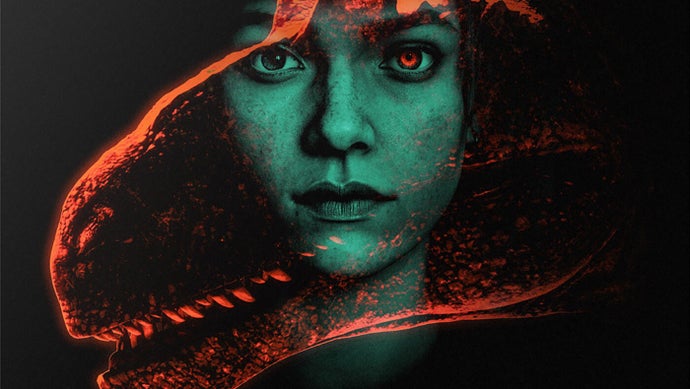
First-person sneakalot The Lost Wild is about surviving on an island overrun by dinosaurs, from the relatively affable diplodocus to the absolutely intolerable allosaurus. I’m not sure how you survive a brush with an allosaurus, because allosauruses appear to be provoked by any and all objects in their vicinity. “An area [of the project] I find particularly fascinating is the difference between dinosaur behaviour for each species, and what that could mean for gameplay and character,” says game director Gary Napper, who joined developers Great Ape Games in 2025 following stints at Rare, Supermassive, and Creative Assembly.

“Taking the team’s expertise and current day understanding of dinosaur findings has allowed us to really lean into some of these theories,” he continues. “One of my favourites is a fact that they know that the allosaurus was quite an erratic and aggressive creature, because they found its teeth embedded in things like rocks and logs as well as other creatures, implying that it would just attack or go for anything around it.” OK, so – what’s my exit strategy, when facing an allosaurus? Do I just try to look like the least pugnacious rock?

Read more

Uncategorized

Reasons to Begin Playing South of Midnight Immediately

**South of Midnight: A Fresh Beginning for Compulsion Games After Xbox Spin-Off**

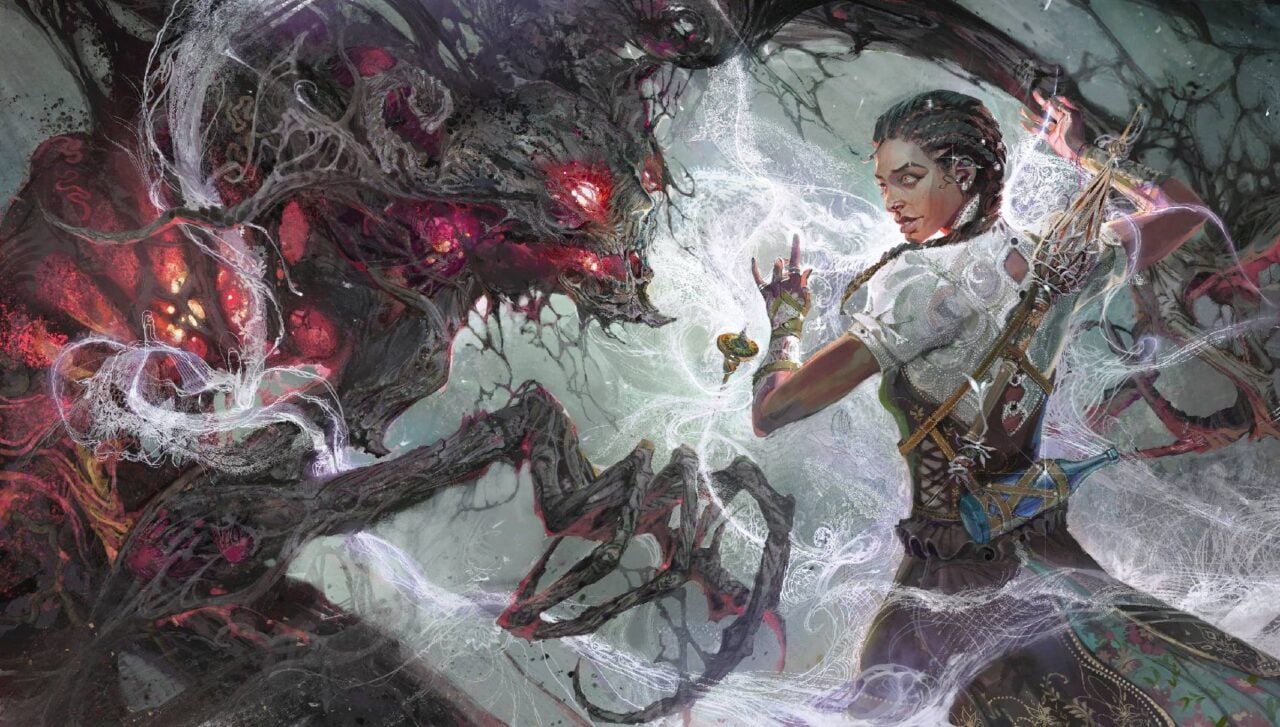
In a noteworthy development, the video game *South of Midnight* has gained a new publisher—Compulsion Games—following the studio’s recent separation from Xbox. This shift occurs amidst a broader corporate reorganization at Xbox, resulting in thousands of job reductions across the organization, including some from Compulsion Games. Nevertheless, this transition also offers a silver lining: Compulsion Games now possesses full rights to *South of Midnight*, which means that all revenue produced from the game will directly benefit the studio rather than the parent corporation.

*South of Midnight*, released last year, has attracted a devoted fanbase and received critical praise, with many characterizing it as a true Southern Gothic African American tribute. The game resonates profoundly with those attuned to Southern culture, while players from diverse backgrounds can also find shared themes in its narrative and aesthetics. The game explores themes of home, family, and cultural heritage, rendering it accessible to a broad audience.

Among its numerous admirers is a reviewer who expresses deep admiration for the game’s portrayal of Southern culture, recalling personal memories of familial experiences and the richness of Black cultural stories. Players embark on a journey alongside the protagonist, Hazel, who is accompanied by Catfish—a character that represents Southern folklore. The game is rich with subtle details that mirror the complexities of Black life and Southern customs, encapsulating the essence of storytelling prevalent within the community.

As Compulsion Games embraces its new autonomy, *South of Midnight* serves as a testament to the studio’s commitment to developing games that are not only enjoyable but also honor cultural narratives frequently overlooked in mainstream gaming. With the transition now finalized, potential players who may have hesitated due to concerns about the game’s link to Xbox can now feel assured in supporting Compulsion Games directly.

In summary, *South of Midnight* provides a fulfilling experience that attracts a wide array of players, and aficionados of the genre should consider giving it a chance. With its distinctive viewpoint and sincere tribute to Southern culture, the game is set to leave a lasting impression in the gaming world.

Uncategorized

New Round of Layoffs Affects Project Sirius, the Troubled Witcher Multiplayer Spinoff

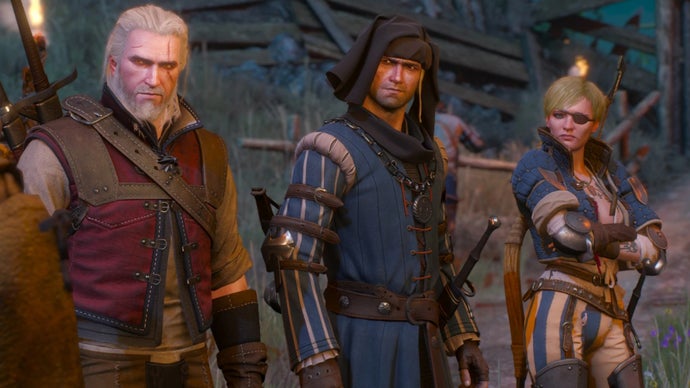
Project Sirius, CD Projekt Red’s unsettled attempt at a multiplayer Witcher spinoff, is facing further difficulties. Following a Kotaku report, the Polish dev-publishers confirmed to IGN that they were cutting 18 staff members from the project – believed to be around a quarter of the game’s overall team size, which was already dwarfed by the CDPR crew assigned to mainline singleplayer sequel The Witcher 4.

Of the affected developers, half have been made redundant, while half “have been invited to internal recruitment processes for potential roles on other CD Projekt Red projects.” This is also the second time the company have slashed Project Sirius staff, with layoffs following an effective reboot in 2023.

Read more

Uncategorized

Pokémon Connects the Divide Between Classic and Modern Generations

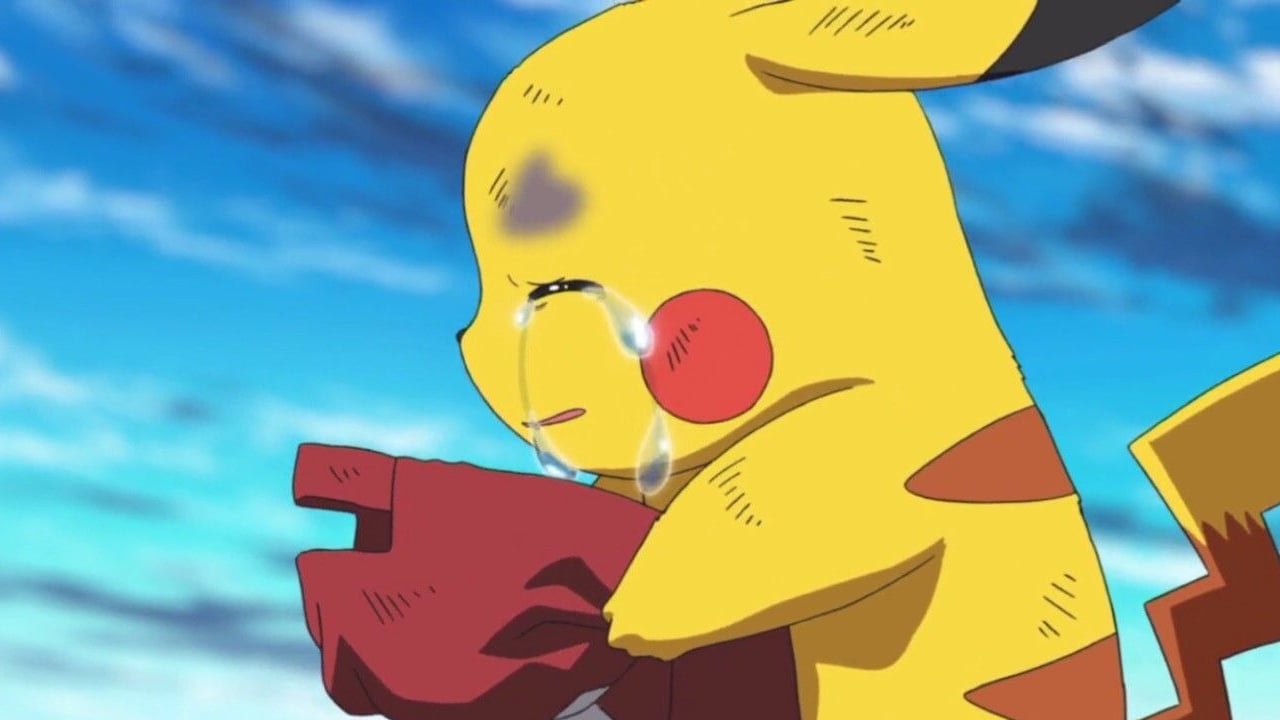
Transferring your Pokémon between games has always been a challenging endeavor, and The Pokémon Company has made significant efforts to simplify this by launching the *Pokémon Home* app, which serves as a central storage solution. Prior to this, there were two 3DS applications known as *Pokémon Bank* and *Poké Transporter* that facilitated the transfer of Pokémon from your DS to your 3DS, enabling the migration of Pokémon as far back as the Game Boy Advance titles, or to a system as up-to-date as the Switch 2. Now, The Pokémon Company has declared that it is officially discontinuing support for these apps.

The Pokémon Company revealed this alongside the announcement that the *FireRed* and *LeafGreen* ports for Switch, released earlier this year, will receive *Home* support in October, permitting the transfer of Pokémon captured in the GBA games to any other title that can interface with the app. *Bank* will cease its service on February 25, 2027, at 7 p.m. Pacific/10 p.m. Eastern. The announcement encourages those who have Pokémon they wish to transfer to do so prior to the cessation of service. It’s important to note that *Bank* is not currently available for download, as the 3DS online infrastructure was deactivated in 2024. Thus, even if you intended to utilize the service before next February, you can only do so if you had already redeemed the app on the eShop prior to 2024.

It is hard to envision that *Pokémon Bank* will have any significant usage in 2026, particularly since older games have become increasingly challenging to locate and play on outdated hardware. Nonetheless, this marks the conclusion of an era. As video games become more dependent on digital distribution and online servers, *Bank* resembles a relic from a time when Pokémon were confined to cartridges unless you navigated cumbersome transfer procedures, such as having to insert both your GBA and DS games into the same system simultaneously to reunite with cherished characters in new games. Game Freak had a playful approach to transporting Pokémon throughout the years, but these methods are substantially more unwieldy compared to the relative ease of *Home*.

The capability to transfer Pokémon between games has become less common ever since *Sword* and *Shield* stopped allowing players to trade any Pokémon they wished to the subsequent titles, igniting significant controversy within the community dubbed “Dexit.” Despite online outcries, Game Freak appears resolute in not reinstating the National Dex that would encompass all Pokémon in every game. Many players have relied on *Bank* to migrate Pokémon they captured years ago into contemporary games, and now it feels as though a crucial segment of history is on the verge of being disconnected from the present. It is regrettable that this app, the final link between older hardware and current systems, is slated to vanish.

Furthermore, when the 3DS servers were shut down, *Pokémon Bank* and *Transporter* were the only applications and services that retained online capabilities, so with this announcement, the online usage of the 3DS is definitively reaching its conclusion.

Uncategorized

Developers of Big Walk Express Uncertainty About Future Plans, Indicating DLC is Unlikely

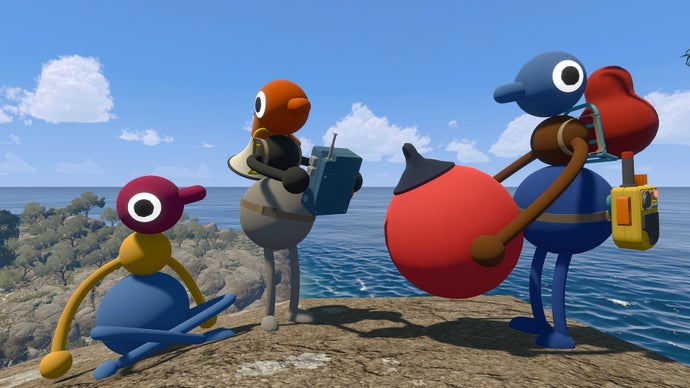
I’ve spent something like seven hours in funny-thinky cooperative puzzler Big Walk, and the concept of more Big Walk is something that confounds and, just a little bit, frightens me. What, you spent an entire evening stubbing toes in the dark and overconfidently barking incorrect solutions at friends, only for the opening of the map room to reveal the humbling significance of your progress thus far, and you want more? Friend, if I play this until my forties, I might make it halfway through.

Even so, questions on future content were repeatedly put to developers House House in a recent reddit AMA. The response: no plans at the moment, though there’s nothing stopping completionist players from making their own fun with its freeform systems.

Read more