Uncategorized

Marvel Tōkon Data Mining Uncovers Thrilling and Disheartening Possible DLC Characters
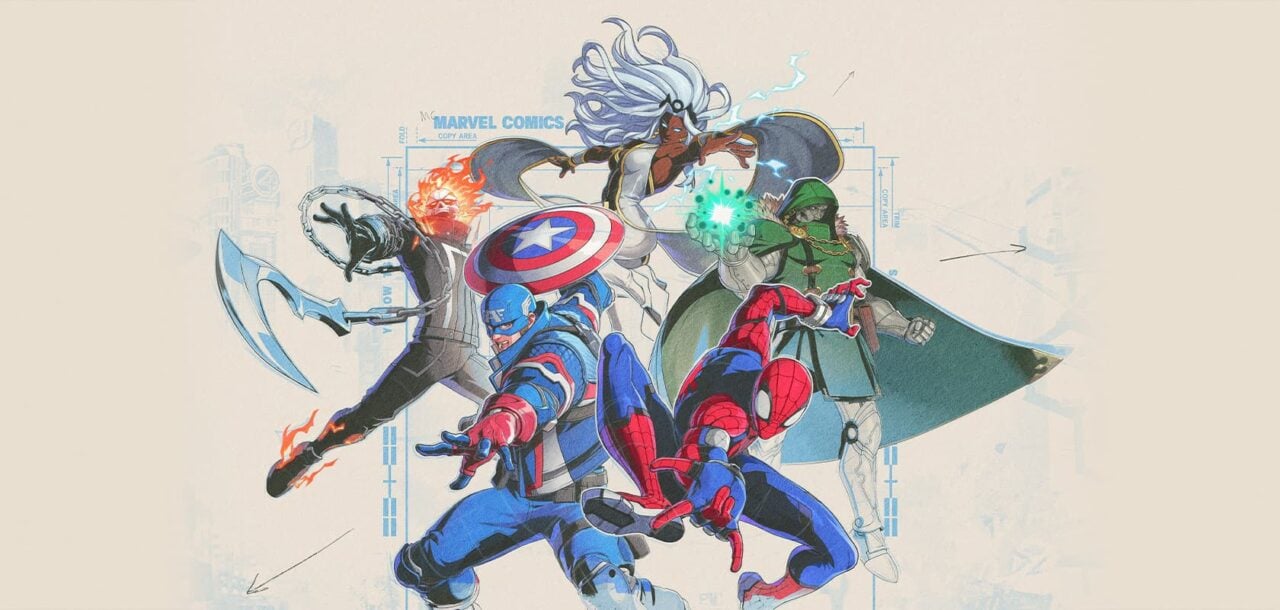
# Marvel Tōkon: Fighting Souls – Anticipating New Characters and DLC

Marvel Tōkon: Fighting Souls, which debuted a week ago, has generated considerable enthusiasm among fans, especially concerning the forthcoming downloadable content (DLC) characters. Developer Arc System Works has announced Phoenix Cyclops as the sole character for Year One DLC, yet dataminers have revealed clues about a number of other potential heroes.

## Datamined Character Names

The datamining process of Tōkon’s data has unveiled mentions of multiple characters that are absent from the initial roster. These include:

– Doctor Strange
– Wasp
– Gambit
– The Thing
– Daredevil
– Invisible Woman
– Human Torch
– Mr. Fantastic

Although Arc System Works has not officially confirmed it, the presence of these names suggests a potential influx of characters from the Fantastic Four, which aligns with the game’s 4v4 format that reflects their team dynamic. Fans are eager to see if these upcoming additions will significantly impact the storyline or simply broaden the game’s character lineup without substantial narrative incorporation.

## Community Reactions

The community’s reaction to the possibility of new characters is mixed. Some players express enthusiasm about the chance for the Fantastic Four to enter the game, while others question the addition of characters like Doctor Strange and Wasp. The discussion centers around balancing iconic characters with less prominent heroes to diversify gameplay and maintain interest.

## Stage Additions

In addition to character speculation, the data references imply the introduction of new stages, including Klyntar (the home of Venom), Japan, and the Sanctum Sanctorum, which may further enhance the anticipated addition of Doctor Strange.

## Character Pool Considerations

While Marvel has a vast array of characters, the challenge lies in appeasing a varied fanbase. Some players may find the DLC selections underwhelming, particularly those who were hoping for beloved heroes like Thor, who notably lacks representation both in the files and the game’s initial narrative.

## Conclusion

As Marvel Tōkon: Fighting Souls continues to develop, the anticipation surrounding potential DLC characters and the community’s involvement with the game is evident. With a track record of successful post-launch updates in former titles, Arc System Works seems ready to broaden this universe, paving the way for new adventures within the Marvel gaming domain. Fans will be closely monitoring for further news regarding which heroes will eventually join the conflict.
Uncategorized

Necron Weakness in Dawn of War 4: The Impact of Arrogance and Greed on an Immortal Alien Race

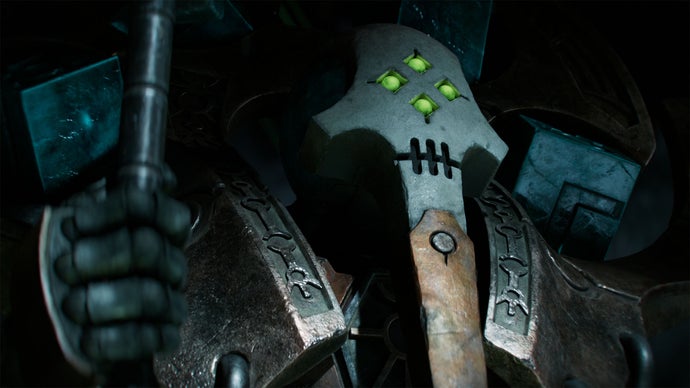
Dawn of War 4‘s Necrons are the hard nuts of Warhammer 40,000. Each one of their soldiers is a >soul trapped in a living metal body, practically immortal thanks to the faction’s reanimation technology. Like a clothes moth infestation, once they’ve made their home on a planet, they’re virtually impossible to get rid of. They lend themselves to wars of attrition, constantly expanding their borders while absorbing enemy attacks.

“Players love this type of playstyle,” Dawn of War 4’s senior game designer Elliott Verbiest tells me, “but it’s something that isn’t necessarily conducive to interesting multiplayer gameplay. It’s kind of the same deal as rock, paper scissors where both players are just throwing rock over and over and over again.”

To counter this, developers King Art Games have introduced a chink in the Necron’s armour, and it’s a very human impulse: greed.

Read more

Uncategorized

Fans Theorize About the Title of the Next Elder Scrolls Game

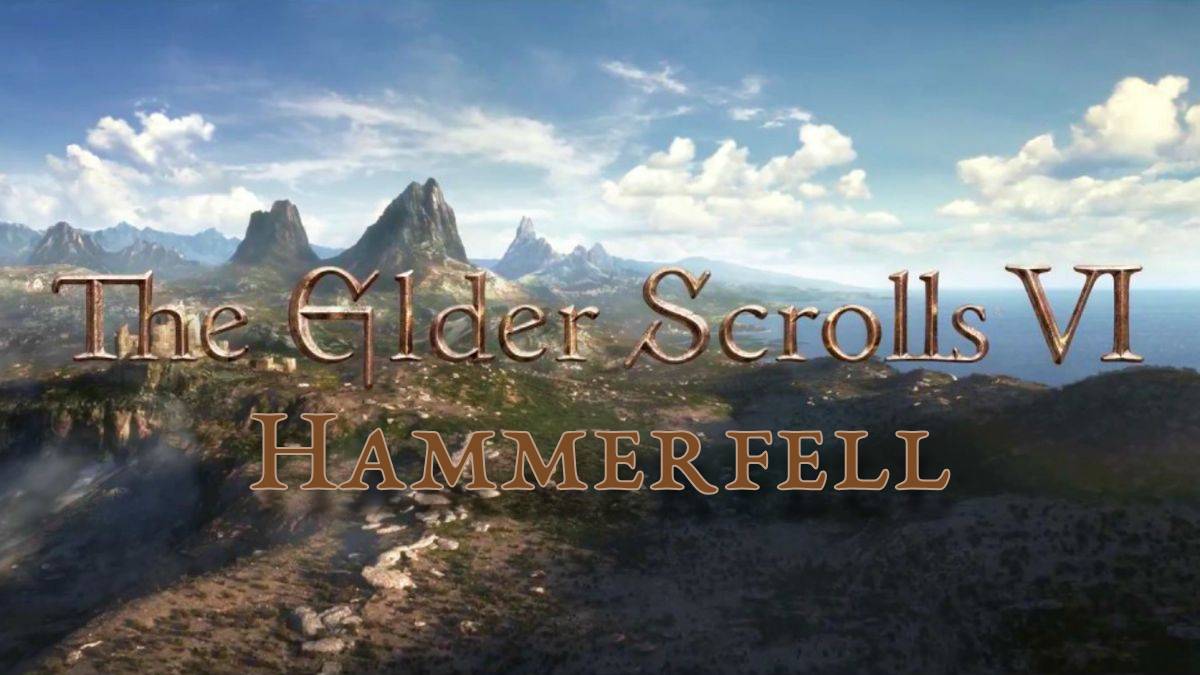
**The Expectation of The Elder Scrolls VI: Deciphering the Enigma Behind its Name**

The excitement surrounding the imminent launch of *The Elder Scrolls VI* has soared to unparalleled levels among enthusiasts, especially considering the almost 15-year delay since *The Elder Scrolls V: Skyrim*. Recent updates have heightened speculation concerning the title of the upcoming game, sparked by Xbox’s new leader, Asha Sharma, who recently posted captivating clues on social media.

In a message outlining her experience with *The Elder Scrolls VI*, Sharma referred to the game as *The Elder Scrolls VI: *********, utilizing eight asterisks as a substitute for the real title. This enigmatic hint ignited a whirlwind of theories and conversations within the fan base, as players endeavored to decode this latest discovery. The asterisk count alone indicated this was more than just a minor typing mistake, leading many to assume it marked the start of a complex riddle or alternate reality game (ARG) designed to tease the actual title.

The prevailing theory among enthusiasts, as reported by outlets like *IGN*, suggests that the title may be *The Elder Scrolls VI: Sentinel*. This conjecture stems from the realization that “Sentinel” is an eight-letter term, aligning perfectly with the asterisk total. Additionally, Sentinel is a major city in the province of Hammerfell, a location frequently mentioned as the backdrop for the forthcoming entry.

Yet, the intrigue doesn’t end there. A further, more intricate theory proposes that a previous *Bethesda* title, *Starfield*, might have alluded to the name “Sentinel” years ago. Players observed that a character’s ARGOS employee number in *Starfield* could be interpreted as spelling “SENTINEL,” prompting fans to speculate whether this was a purposeful act of foresight.

While this theory might appear unlikely, it’s important to note that it corresponds with the lore of *The Elder Scrolls*, where Hammerfell’s Sentinel would provide an ideal setting for a new journey. The name itself carries a mesmerizing charm, reminiscent of its historical relevance in gaming, as it was famously utilized in Geoff Crammond’s classic title from 1990.

Further adding to the enigma, former Bethesda developer Michael Kirkbride acknowledged the speculation on Reddit with a simple “Yep,” seemingly endorsing the potential of “Sentinel” as the title. His affirmation has ignited a fervor among the fan community, amplifying anticipation ahead of the game’s expected launch.

While numerous fans have expressed their opinions on titles like “Hammerfell,” based on geographical theories and imaginative scenarios, the enthusiasm surrounding “Sentinel” endures with a strong presence. The captivating narrative unveiled in these discussions often underscores the lengths devoted fans will go to uncover hints and clues about their cherished franchises.

Despite the many conversations and theories surrounding *The Elder Scrolls VI*, official confirmation regarding the title remains out of reach, with Bethesda suggesting the game is still at least two years away from being released. As the gaming industry continues to buzz with expectation, one thing is clear: until the formal announcement is made, the discourse over the authentic title of *The Elder Scrolls VI* will only intensify, demonstrating that the essence of fandom is as fervent as ever.

Uncategorized

“Exploring the Dance of Theseus: A Unique Fusion of Plastic Surgery and Balatro-Inspired Fashion Battles”

It is time to confront the terrible truth that I once took part in a school fashion show. I ran in two categories, Ballroom and Street, a serious test of range for a kid who had only recently mastered the devilish technique of wearing a shirt without a tie. In the Ballroom bracket, I was asked to do a waltz in an Indian wedding gown provided by a local sponsor who, I can only assume, immediately went out of business. In Street, I had to wear a Gap hoodtop and shoot a fire-eater (one of the Cool Teachers) with a Super Soaker, while some other lost soul moonwalked down the runway in a golden suit.

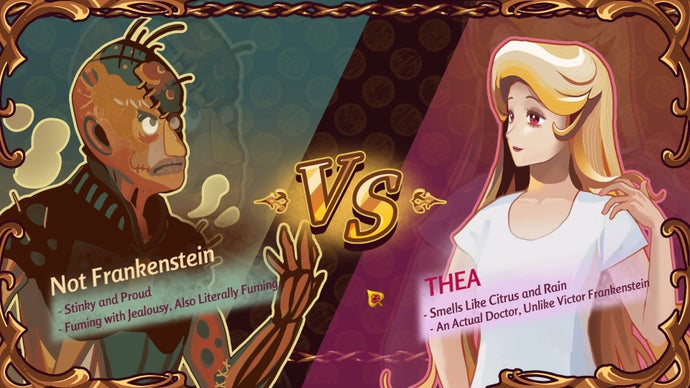
In retrospect, I am filing all this under the secret umbrella category of God’s Greatest Mistake. There is exactly no photographic evidence, and I will thank you not to search for any on Google or Facebook. It’s so much less upsetting being a fashion model in Dance of Theseus, which might sound weird given that in Dance of Theseus, you don’t just swap outfits – you graft on new heads, arms and legs, either bought from sniffy griffon dressmakers or moulded together out of seashells, horned skulls, and scraps of shimmering hide. Created by Shanghai-based Citreat Studio, it’s a cheerful, colourful and somehow unrevolting life sim RPG with a kind of Balatro-esque Frankensteinmaxxing element. I’ve been playing the demo, and it’s both entertaining and a source of endless inspiration. Argh, if only I’d had access to this, when I was 16!!!

Read more

Uncategorized

Analysis of Marvel Tōkon: Battling Spirits by Kotaku

# Marvel Tōkon: Fighting Souls – An In-Depth Exploration of the Latest Marvel Fighter

At first sight, *Marvel Tōkon: Fighting Souls* might seem excessively straightforward, featuring simple inputs and matches that can appear automatic due to autocombos. Nevertheless, as players explore the game further, a depth emerges that puts even the most experienced fighting game veterans to the test. Created by Arc System Works, renowned for their expertise in developing anime-style fighters, *Tōkon* presents an appealing mix of approachability and intricacy set against the vast Marvel universe.

## Gameplay Mechanics and Structure

*Marvel Tōkon* is a 4v4 tag fighter, debuting with a lineup of 20 heroes and villains drawn from the Marvel multiverse. What distinguishes it from other Marvel games is its distinctive layout—a progressive match system where players gradually unlock their full team, rather than having access to the entire roster from the start. This design choice incorporates a tactical element as players must carefully consider team composition and character synergy.

Although the game’s brisk matches might initially convey a sense of simplicity, they conceal a nuanced combat system that compels players to engage deeply with its mechanics. Unlike conventional fighters, *Tōkon* does not feature separate health bars for each character; players share a single life bar across their four heroes. This requires meticulous management of character switching, as every hero serves specific functions during fights. For example, an assist could provide ranged attacks or anti-air capabilities that can shift the momentum of the battle when utilized effectively.

## Personal Journey with Star-Lord

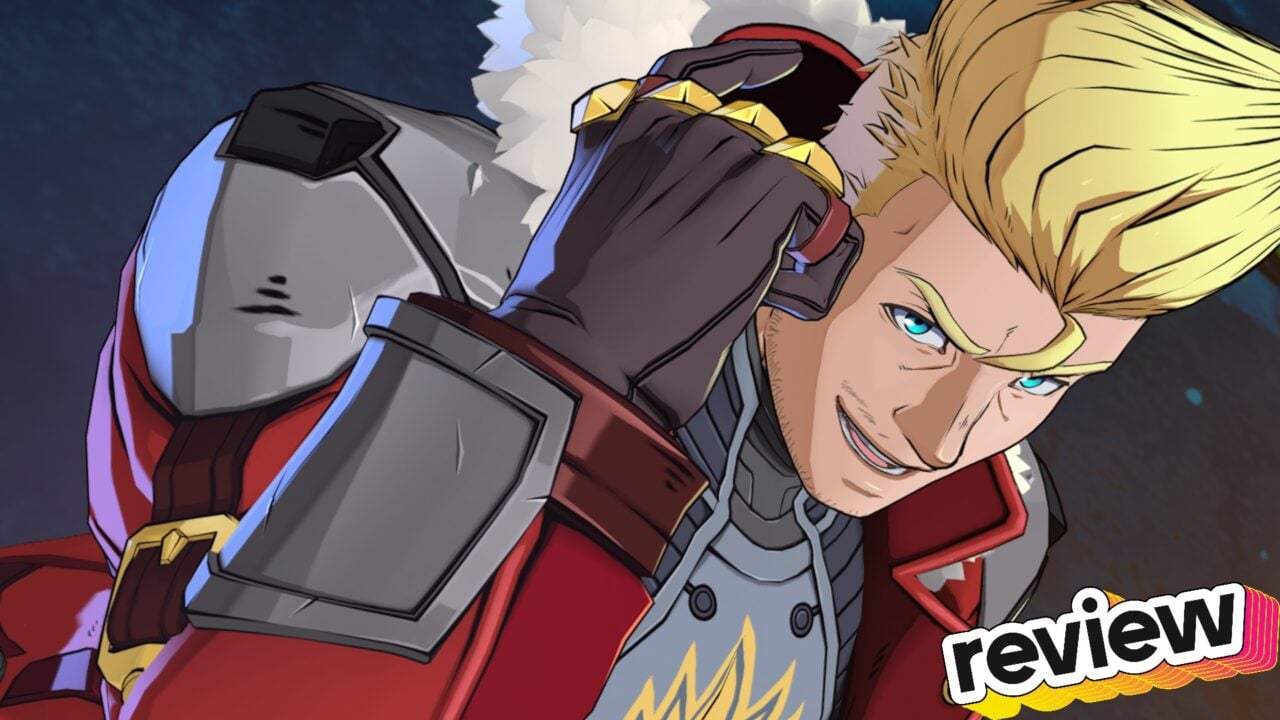
For numerous players, character choice influences gameplay. The author’s early selection of Star-Lord as a primary character exemplifies a common strategy among fighting game enthusiasts: refining skill with a single fighter. Nevertheless, *Tōkon* challenges this perspective. Star-Lord’s modular Elemental Guns exhibit gameplay similarities to other well-known titles, yet it soon became clear that relying excessively on one character limited overall effectiveness.

As gameplay advanced and friends demonstrated their skill with assist characters, the skill gap became noticeable. Unlike traditional fighters where success might often rely solely on the mastery of one character, *Tōkon* necessitates that players actively engage with assists, thereby promoting a more comprehensive understanding of gameplay dynamics.

## Evolving Team Dynamics

Initially, team composition was based on character preference rather than effective synergy. The discovery that assists were vital in combat prompted players to reassess their tactics. Swapping from Captain America to Spider-Man, for instance, facilitated a more potent offensive strategy through Spider-Man’s adaptable web attacks, highlighting the importance of character roles within a unified team.

Investigating different character placements and their related assist abilities unveiled fresh strategies. What originally appeared to be a simple exercise in switching characters transformed into a complex layer of gameplay, where players must balance their personal preferences with the necessity for strategic advantage.

## Story Mode and Accessibility

*Marvel Tōkon* also incorporates a multi-perspective story mode, depicting a tournament arranged by the Champion of the Universe. This narrative is enhanced with digital comics crafted by acclaimed Marvel writer Kieron Gillen, further enriching the gameplay experience. The mode accommodates both veteran players and newcomers, delivering engaging content without steep difficulty spikes.

In addition to the story mode, the game offers various casual experiences, such as arcade and survival modes, improving accessibility for a broad audience. Features like Arcadia Rumble provide low-pressure settings for players to practice and enjoy with friends, nurturing a community aspect often crucial for fighting games.

## Conclusion

In conclusion, *Marvel Tōkon: Fighting Souls* rises as an intriguing new contender in the fighting game realm. Its innovative mechanics, combined with a varied roster and captivating content, create an appealing experience for players across all skill levels. While there are challenges inherent to its tag systems, the game rewards thorough exploration and adaptation, making each match not merely a conflict but a strategic endeavor.

As *Tōkon* gains popularity among fighting game enthusiasts, it has the potential to become a staple in the genre, especially during a time when uncertainty surrounds titles like *Marvel vs. Capcom*. With continuous content updates and community involvement, *Tōkon* encourages players to embrace its intricate systems and relish the vibrant, high-energy action that resonates profoundly within the core of the Marvel universe.

Uncategorized

Twitch Automatically Scraping Streams for AI Training, Causing Uncertainty About User Data Collection Among Executives

Livestreaming giants Twitch have admitted using streamed content to train the generative AI models of parent company Amazon. While it’s not clear when the platform began feeding its users’ work into Jeffy B’s Planetkilling Machines, yesterday’s announcement of an opt-out toggle – buried deep within Twitch’s security settings, and set to enable AI stream-gobbling by default – sparked outrage among streamers and viewers that such scraping was occurring at all.

Twitch’s chief product officer Mike Minton and head of community Mary Kish were wheeled out to explain the policy in a stream of their own, though it’s possible the only ones reassured by the discussion were the Amazon bots themselves. Although Minton was upfront about the models’ use of streamed video, he conceded that he didn’t know if users’ personal data had also been caught up in the scraping net, and that he wasn’t actually sure what Amazon “has done in terms of model training.” Awesome. Awesome.

Read more

Uncategorized

Xbox Responds to July’s Major Outage, Credits Severity to Fixed Bug

### Xbox Outage Sheds Light on Concerns Regarding Digital Ownership and Game Access

In late July, a considerable number of Xbox gamers experienced an inability to access their titles due to a major outage. This event highlighted the fragile nature of digital game ownership, as users were shut out from their libraries and unable to launch even previously downloaded games. The scenario has raised alarms about the consequences of an entirely digital gaming landscape, where ownership might appear illusory and access to content can be suddenly interrupted.

#### Reason Behind the Outage

Xbox has since pinpointed the cause of the outage, which involved a disruption to a core service vital for both Xbox Home Console sharing and Game Pass content, along with certain instances on PC. Scott Van Vliet, the Chief Technology Officer for Xbox, noted that the outage was exacerbated by a bug in the Xbox client software stack. This software stack is crucial as it manages three interworking operating systems simultaneously.

Van Vliet noted that the interplay between the service outage and the software bug resulted in “cascading issues with library enumeration.” When the initial service failed, it hindered the system’s ability to verify the requisite licenses for launching games, ultimately rendering many players unable to start their games at all.

#### Actions Taken and Resolution

In response to this incident, Microsoft has been proactive in tackling the resultant issues. The management of the licensing service is being shifted to the Xbox team, with the objective to strengthen the services and infrastructure to avert similar setbacks moving ahead. Van Vliet confirmed that the bug responsible for the additional complications has been fixed and updates are being deployed to enhance players’ experiences.

The client fix is scheduled for a gradual rollout starting August 10 and will become mandatory by August 17. These efforts are part of a long-range strategy aimed at improving service resilience and ensuring game access for users.

#### Consequences of Digital Ownership

This outage and the ensuing difficulties have highlighted a wider concern within the gaming community — the repercussions of digital ownership. Many gamers are coming to terms with the realization that even titles they think they own can become unplayable due to server disruptions or other elements beyond their control.

The shift towards entirely digital distribution brings forth essential questions regarding ownership rights, access, and the long-term sustainability of game libraries. In a context where consoles and services may eventually become outdated or discontinued, players are left to consider the fate of their digital acquisitions. Current trends indicate that as platforms progress, the likelihood of losing access to previously acquired content increases, underscoring the need for clearer ownership guidelines and sustainable digital frameworks.

#### Looking Ahead

As Microsoft takes initiatives to bolster its services, the gaming industry at large may need to reevaluate the implications of digital distribution. Going forward, it remains crucial for gaming companies to maintain transparent communication with their users about the essence of game ownership in a digital context. Ensuring stable access and clarity could facilitate a healthier relationship between players and the platforms they use.

In conclusion, while Microsoft is diligently addressing the challenges posed during the recent outage, the event serves as a significant reminder of the vulnerabilities present in a fully digital gaming framework and the necessity for continuous advancements in infrastructure and user engagement.