It’s been quite an up and down year for EA’s big military shooter
Battlefield 6, One Year Later
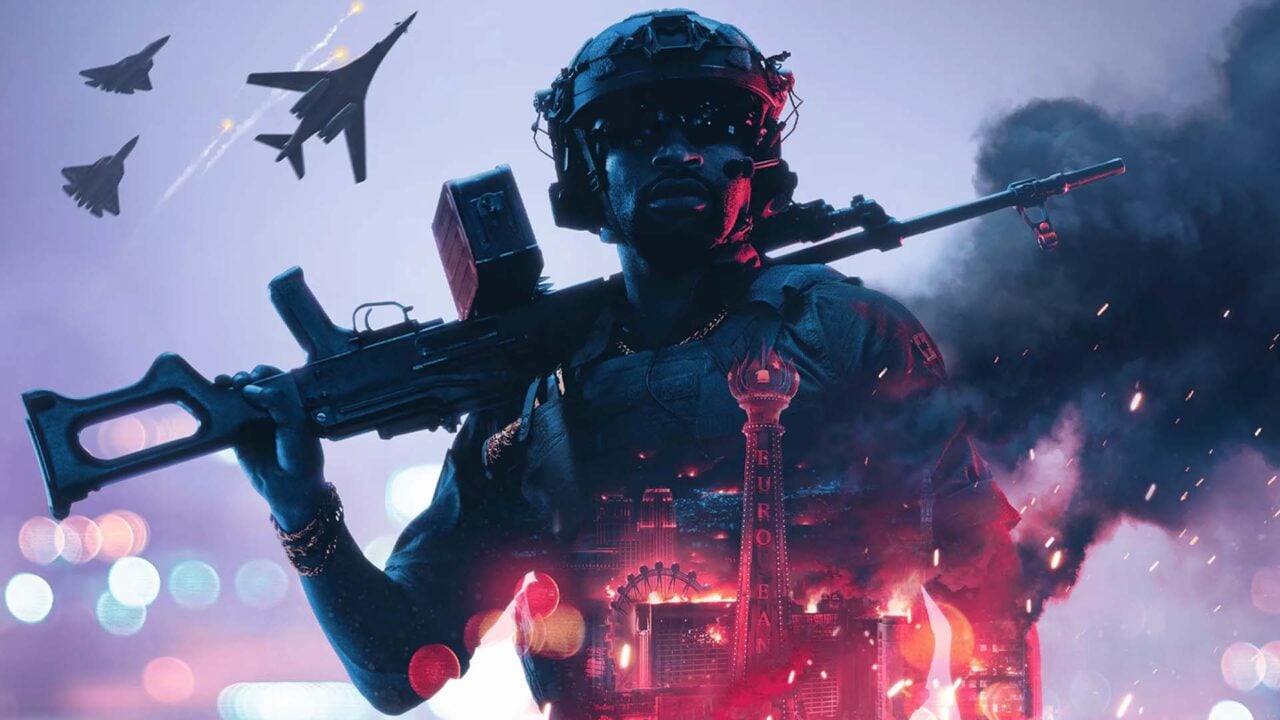
It’s been quite an up and down year for EA’s big military shooter
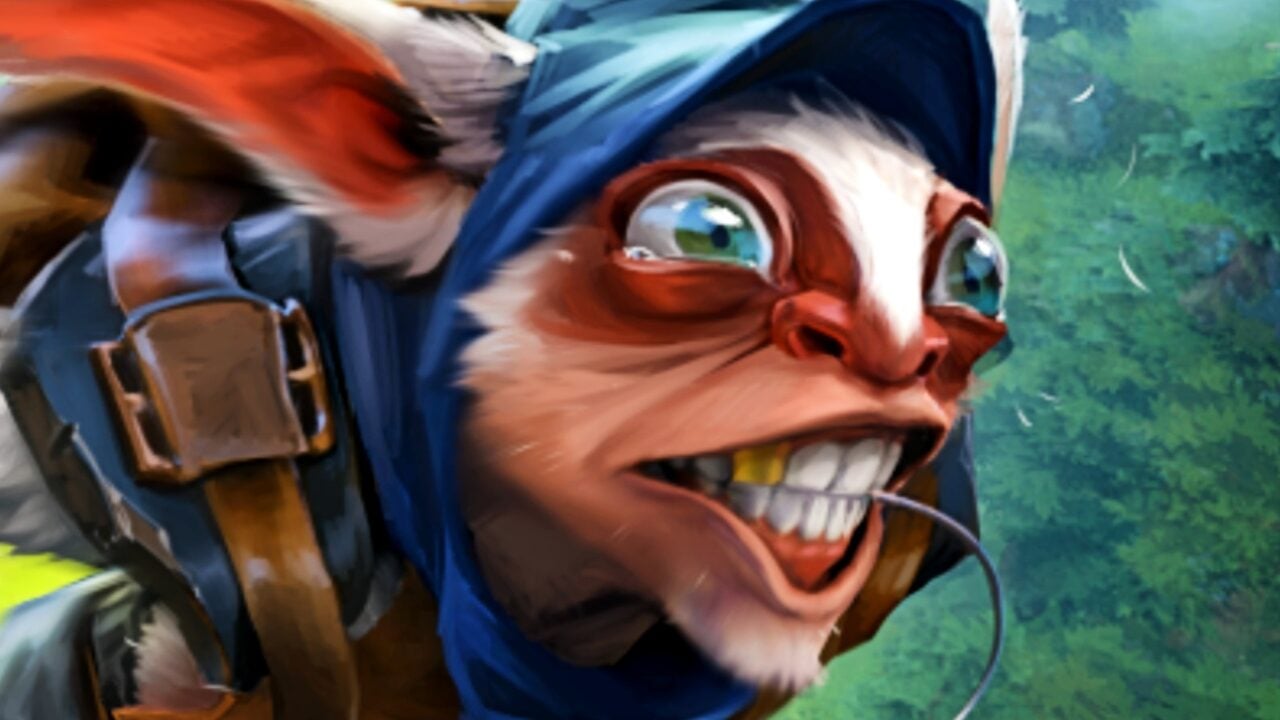
**The Intricate Connection with Dota 2: An Examination of Regret and Irritation**
In the realm of competitive video gaming, few games elicit as powerful emotions as *Dota 2*. With more than 1,200 hours clocked in, numerous players, including industry experts such as *Stanley Parable* co-creator William Pugh, reflect upon their journeys with a blend of nostalgia, regret, and irritation.
Pugh recently expressed his thoughts to *PC Gamer*, revealing a concerning attachment to *Dota 2*. With 1,603 hours recorded, exceeding even the cherished *Team Fortress 2*, he conveyed the contradiction of dedicating so much time to a game that often leads to discontent. Many gamers can relate to his feelings: despite the extensive time invested, the pleasure is often eclipsed by frustration with teammates and game mechanics.
Pugh’s complaints underline typical grievances encountered in multiplayer online battle arenas (MOBAs): players neglecting their responsibilities, inadequate communication, and strategic blunders resulting in losses. This tumultuous atmosphere fosters resentment, to the extent that Pugh’s frustration prompts him to declare, “Fuck that fucking game,” ironically emphasizing the profound emotional impact it takes on its players.
This annoyance resonates profoundly with those who have navigated the battlegrounds of *Dota 2*. Participants frequently share tales filled with torment rather than fun, leading some, like Pugh, to entirely remove the game from their systems. The recollections of heated disputes in voice chats concerning errors made during matches persist long after the game concludes, akin to the sense of trauma one might associate with an exhausting quest.
As Pugh pointed out, *Dota 2* distinguishes itself from other games due to the considerable concentration it requires. Playing feels similar to tackling a “five-dimensional Rubik’s cube,” demanding complete immersion and focus for durations of up to an hour. Gamers attempt to maneuver through intricate strategic choices while contending with adversaries, forging a unique yet mentally taxing experience.
Beyond mere annoyance, Pugh’s remarks initiate a wider dialogue about the culture surrounding competitive gaming. Frequently, the competitive spirit cultivates a community driven by a quest for victory, which can lead to toxic exchanges among players. He noted that *Dota 2* isn’t crafted from love but rather born of hate, a notion that highlights the more sinister aspects of online gaming communities.
In an environment where many players rediscover joy through gaming, Pugh’s viewpoint acts as a sobering reminder of the possible downsides linked to competitive titles. While some find comfort or camaraderie in collectively overcoming challenges, others connect with the distress that can arise from repeated losses and taxing interactions.
In conclusion, despite the myriad frustrations, there exists a peculiar magnetism to *Dota 2*. Even after harboring intense negative emotions, the allure to return remains constant, underscoring the captivating yet perilous nature of competitive gaming. It is this intricate connection between player and game that continues to influence the narratives within the gaming community.
Ultimately, Pugh’s heartfelt reflections urge players to contemplate their own experiences and the emotional investments they commit to their gaming endeavors. As *Dota 2* illustrates, the realm of online multiplayer games can be both a source of significant frustration and an inexplicable draw that keeps players returning, regardless of their wiser judgments.
We’re back online. Thanks for your patience! Your DRM-free library is right where you left it 💜 — @gog.com (@gog.com.bsky.social)…
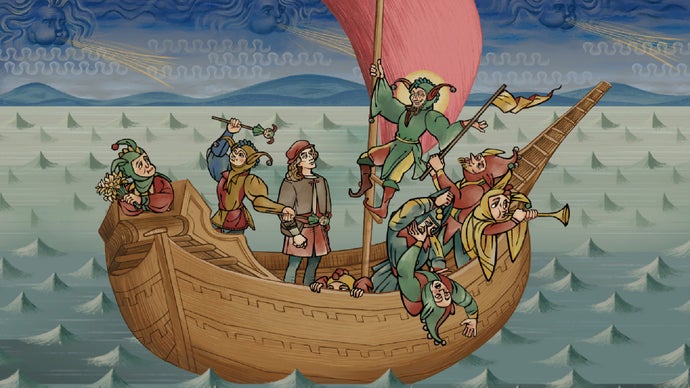
Obsidian will remain a “distinct” Obsidian with their own “creative identity and strengths”, despite no longer operating independently of fellow Xbox-owned RPG makers Bethesda. That’s according to Jill Braff, president of Bethesda and Microsoft’s casual games division, in a memo sent to staff at the former following this week’s layoffs and reorganising of studios at Xbox.