Uncategorized

Outer Worlds Studio Issues Apology to Gamers for Unavailable Free Upgrade to Sci-Fi RPG
**Concern Regarding The Outer Worlds: Spacer’s Choice Edition Upgrade Chaos**

The humorous tagline “It’s not the best choice, it’s Spacer’s Choice” has become emblematic of the release of *The Outer Worlds: Spacer’s Choice Edition*, particularly following the game’s problematic launch in 2023 and the ensuing difficulties related to no-cost upgrades for current game owners.

Initially, Obsidian Entertainment stated that players who had the standard version of *The Outer Worlds* would be eligible for a complimentary upgrade to the enhanced *Spacer’s Choice Edition* on PlayStation 5 and Xbox Series X/S. This offer attracted significant interest as, during its first release, players were obligated to pay an extra $10 to upgrade from the original game. The studio’s announcement on April 30 reaffirmed this offer, noting that anyone with at least the base version in their digital library prior to May 27 would be able to obtain the new version for free, while it would retail at $39.99 after that date.

In an attempt to amend their previous pricing approach, Obsidian viewed this free upgrade as a goodwill gesture toward existing players. There was even a suggestion that the offer might apply to owners of the physical version of the game. With the deadline drawing near, numerous players hastily acquired the base game to be eligible for the upgrade, motivated by enhancements made since the original launch issues, which allowed access to all downloadable content (DLC).

Nonetheless, problems arose when it became clear that the upgrade would not be accessible to those who had the base version on PlayStation and Xbox. Obsidian subsequently indicated that “various entitlement restrictions and backend issues” had impeded the seamless execution of the upgrade process. The studio recognized the dissatisfaction among its player base and urged those affected, particularly those who bought the base game during the promotional period, to reach out to support for a resolution.

Community reactions were predominantly unfavorable, with accusations of deceit aimed at the studio. Many players conveyed a sense of betrayal, suggesting the situation was more akin to a scam than a mere marketing blunder. Some proposed remedies, such as providing free DLC or upgrades, to restore trust. Despite the negative feedback, a small number of users did report receiving complimentary access to the DLC as part of their resolutions, signifying that not all experiences were adverse.

Interestingly, the issue was mainly problematic on PlayStation and Xbox, while Steam users indicated no trouble with the upgrade. This difference prompts questions, especially since Obsidian is now a first-party studio under Xbox Game Studios, despite the original game being released by Private Division, a label that has since ceased operations.

Ultimately, the continuing fiasco not only highlights Obsidian’s mismanagement of the situation but also serves as a cautionary tale regarding the pitfalls that can arise from corporate strategies in the gaming sector—a theme that resonates deeply with the corporate satire embedded in *The Outer Worlds* narrative. The outcome remains uncertain, yet it has undoubtedly affected the relationship between the studio and its community.
Uncategorized

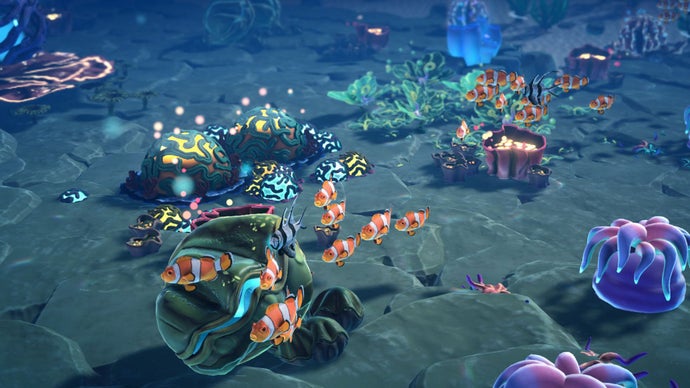
“Life Below: A Cozy City Builder Focused on Restoring a Dying Sea Floor with Vibrant Life Elements”

For people who don’t play city builders, it may be easy to look at them as something mechanical and bureaucratic. Grids of streets, well-ordered manufacturing production lines, and carefully tailored catchment areas to ensure residential zones will efficiently staff nearby businesses, don’t scream the stuff of life. Though, play enough of them and you will often see there can be a good deal of living going on at street level. Zoom in close on Cities: Skylines and you can follow people as they travel to work, hover over your town in Anno 1800 and you watch the carts take goods from the harbours to factories to markets to the doors of your townspeople.

Life Below may not be about constructing a city exactly, but this underwatcher cosy city builder still captures that sense of bustling life.

Read more

Uncategorized

11-Year-Old Pokémon Card Enthusiast Shares Lack of Enthusiasm for Collecting: “I Just Flip Cards”

**The Evolution of Pokémon Culture: From Whimsical Play to Scalper Market**

As Pokémon celebrates its 30th anniversary, both devoted fans and newcomers are exploring a landscape that has significantly transformed since the franchise’s beginnings in the 1990s. What started as a delightful journey of capturing creatures and building connections has transitioned into a complex ecosystem heavily influenced by scalper culture, much to the regret of long-time supporters.

### The Emergence of Scalper Culture

Initially, Pokémon enthralled a diverse audience with its enchanting characters, prominently featuring the cherished Pikachu. For many, Pokémon epitomized adventure, camaraderie, and a sense of belonging. However, as the franchise’s popularity surged, so did the demand for its merchandise, resulting in a rise in scalpers. These individuals acquire limited-edition cards and collectibles with the purpose of reselling them at inflated rates, often depriving true fans—particularly children—of the chance to relish Pokémon products.

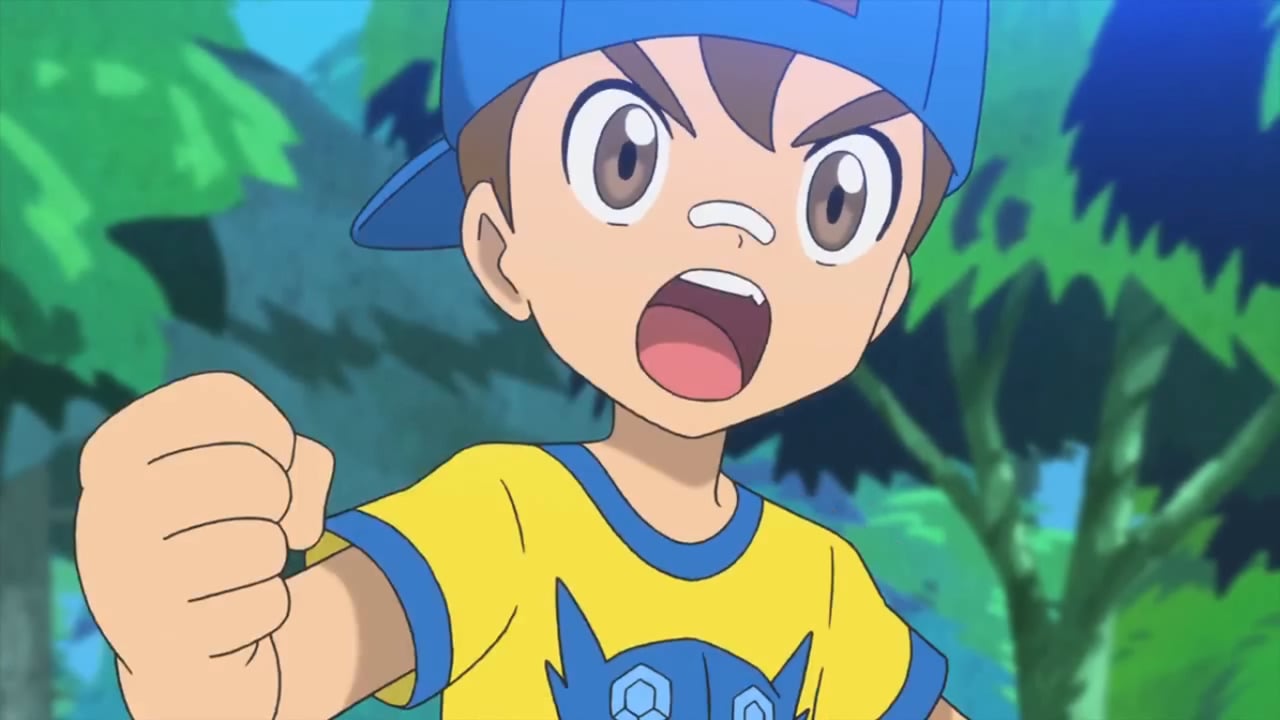
This stark reality was recently highlighted by reports from fansite PokéBeach, which recounted stories of young fans who have become disenchanted with the joy of Pokémon. One striking case involved a young boy who confessed to “flipping” cards for profit instead of delving into Pokémon’s fundamental aspects—playing games or enjoying the anime. The boy’s experiences serve as a troubling sign that many children today perceive Pokémon mainly as a financial opportunity rather than a source of enjoyment and friendship.

### Pokémon Company’s Initiative

To counteract scalper culture and safeguard the essence of the Pokémon experience, The Pokémon Company has opted to enforce new regulations. Starting at the Indianapolis Regionals and the forthcoming Pokémon World Championship in San Francisco, partnered vendors will be prohibited from selling graded cards exceeding $1,000, as well as items such as plush toys and cards from the Japanese Pokémon Center that aren’t accessible to international markets. This approach seeks to address both the scalping issue and the perception that Pokémon is simply a commodity.

### The Effects on Younger Generations

The transition from whimsical fun to investment schemes gives rise to a tangible sense of loss for many who grew up engaging with Pokémon. While financial acumen and entrepreneurship are important, the notion of young children learning about Pokémon through the perspective of investment rather than joy and play raises concerns. Cultural milestones, such as the friendships developed through tournaments and gameplay, have been overshadowed by market forces and profit motivations.

Though scalping may bring new fans to the franchise, it risks eclipsing the fundamental values that characterize Pokémon. The joy of trading cards with friends and the excitement of competition should not be diminished by the quest for profit.

### Conclusion

The evolution of Pokémon culture from a delightful adventure to a marketplace of goods mirrors broader societal trends concerning entertainment and worth. For those who have treasured their interactions with Pokémon, this transition is disheartening. There is still optimism: with measures being put in place to address scalper conduct, there is potential to recapture some of the enchantment that drew countless individuals into this realm. Young players are encouraged to focus on the true spirit of Pokémon—not as a method for monetary gain, but as a journey towards friendship, adventure, and the nostalgia of easier times.

Uncategorized

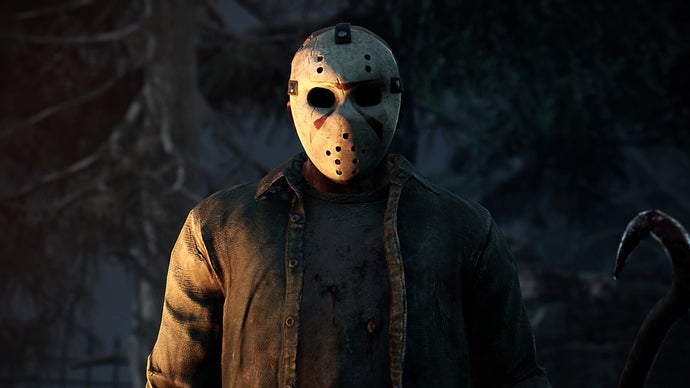
Dead by Daylight Introduces Jason Voorhees from Friday the 13th for Beta Testing

With all of the iconic horror villains Dead by Daylight has featured over the years, the one character’s absence has stuck out like a bit of a sore thumb: Jason Voorhees of Friday the 13th fame. That’ll be in no small part due to the fact that the horror series was in licence limbo for many years, resulting in the amusing fact that Nicolas Cage (National Treasure, Ghost Rider) made it in before Jason did. But now, as we await his own game, Mr. Voorhees is coming to Debbie Daylight, and you can currently try him out on the beta branch version of the game.

Read more

Uncategorized

New Game Combines SSX Tricky and Tony Hawk’s Pro Skater for the Ultimate Extreme Sports Experience on PS2

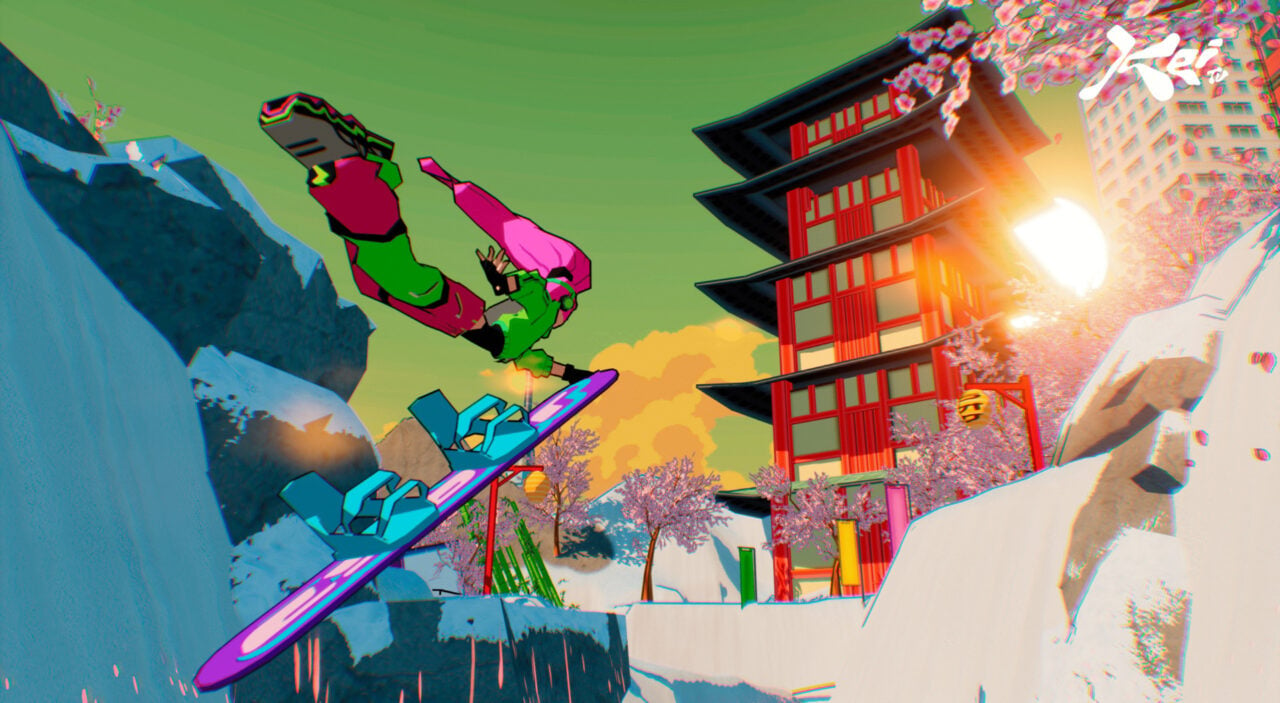
### Hyperyuki: Snowboard Syndicate – A Trendy Comeback to Arcade Snowboarding

Hyperyuki: Snowboard Syndicate is set to be the next big hit in arcade-style snowboarding games, reminiscent of the cherished SSX series. Featuring a colorful aesthetic inspired by Jet Set Radio, Hyperyuki aims to embody the essence of classic snowboarding gameplay while integrating contemporary elements into the experience.

In a gaming environment increasingly ruled by live-service models, Hyperyuki intends to address the gap left by EA’s waning support for the SSX franchise, particularly as they encounter corporate transitions and shifts in focus. The game’s creation is driven by a commitment to providing an exhilarating snowboarding experience, reminiscent of the adrenaline-fueled gameplay of SSX Tricky.

Recently, a PC demo was unveiled in early access, giving a glimpse of what gamers might expect. The game is being published by a reestablished Acclaim, a name familiar to fans of classic gaming titles from the past. This invokes a sense of nostalgia and excitement, as players are keen to see whether the revitalized publisher can recapture the enchantment of earlier achievements.

The demo features three snowy courses, multiple gameplay modes, a variety of characters, and an energetic soundtrack that enriches the experience. Anyone acquainted with SSX Tricky will feel welcome in Hyperyuki’s user-friendly gameplay, where players perform tricks by mixing shoulder button and trigger presses. Successfully landing tricks not only accrues points but also charges up a boost meter that players can utilize for executing even bolder stunts.

Hyperyuki is effectively positioned as an unofficial successor to SSX Tricky, showcasing a cel-shaded, anime-inspired visual style that remains captivating, even in its current development phase. Players will relish in connecting impressive combos, with the game’s smooth controls facilitating a seamless experience—the type that rekindles cherished memories of past gaming moments.

Beyond a mere nostalgic nod, Hyperyuki features added gameplay modes, including a Challenge Mode akin to Tony Hawk’s Pro Skater. This mode turns each level into an exhilarating playground where players must achieve specific goals, such as gathering letters or uncovering hidden treasures within the landscape. The blend of SSX and Tony Hawk elements crafts a distinctive combination that enriches the gameplay experience.

Additionally, the PC demo accommodates up to four-player split-screen mode, promoting local multiplayer enjoyment often neglected in modern games. This aspect promises to enhance the social dimension of gaming—an essential feature of the arcade experience.

As excitement mounts for the full launch of Hyperyuki: Snowboard Syndicate later this year on PC, fans are also eager for console ports that are planned for a subsequent release. The game’s mix of nostalgic gameplay, stylish aesthetics, and innovative features positions it to be a remarkable addition to the arcade snowboarding genre, captivating both longtime enthusiasts and new players alike.

Uncategorized

Remedy’s New CEO Aims to Enhance Control Studio’s Games Without Altering Its Core Identity

Back in February, Remedy appointed Jean-Charles Gaudechon as its new CEO following last year’s FBC: Firebreak flop. This quickly raised some eyebrows given Gaudechon’s tenure at EA, a game studio that’s had its fair share of controversies over the years thanks to its business practices. After all, Remedy are meant to be this quirky, Finnish game studio that does things their own, weird way, such an appointment felt out of step. But, in a recent interview, Gaudechon made it seem like he’s not about to “change the DNA” of a place like Remedy (even if he does still want to bring more money in by expanding in other ways).

Read more

Uncategorized

Anticipations for PlayStation’s Summer State of Play Presentation

# Summer Video Game Showcase: What to Anticipate from Sony’s State of Play

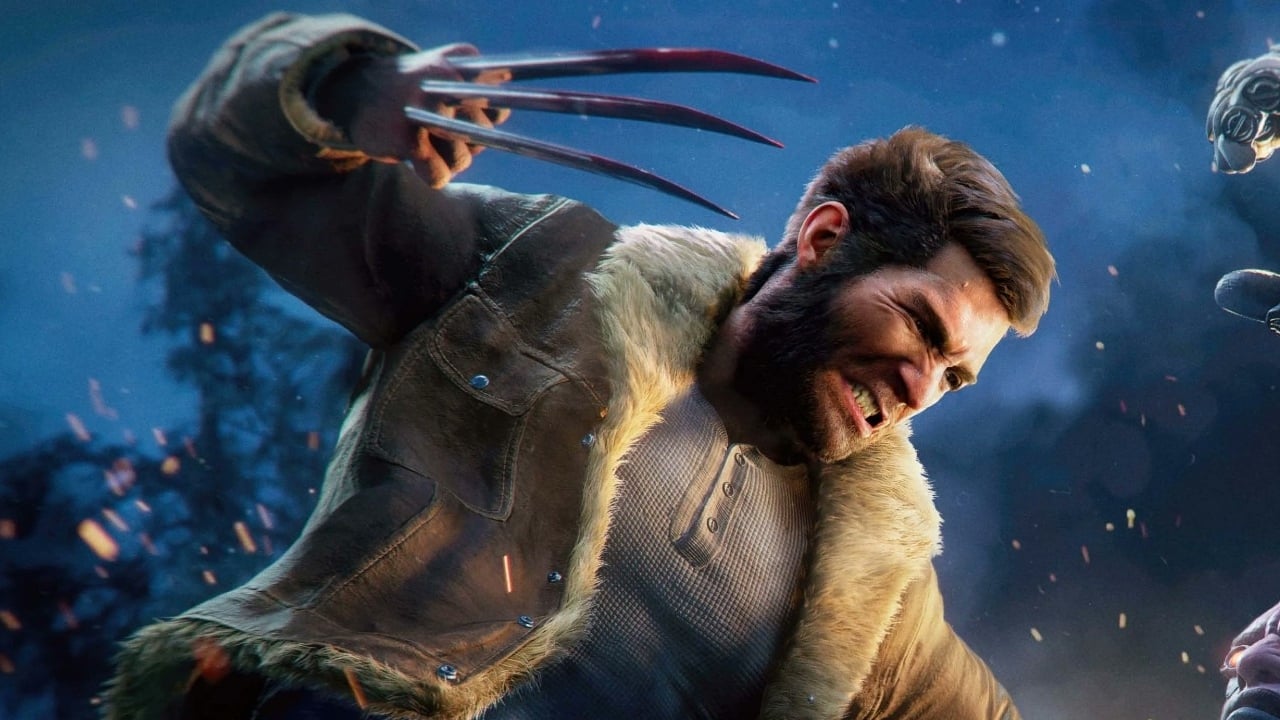
The season for summer video game showcases is quickly nearing, with significant events set to highlight forthcoming titles, advancements, and notable moments in gaming. One of the eagerly awaited events is Sony’s hour-long **State of Play** livestream scheduled for June 2. While information is still limited, one confirmed highlight is Insomniac’s awaited game, **Wolverine**. This article delves into what to anticipate from the showcase, detailing dates, viewing options, and potential announcements.

## When and Where to View the State of Play Summer Showcase

The State of Play livestream will commence on Tuesday, June 2, at 2 p.m. Pacific / 5 p.m. Eastern. Enthusiasts can watch via PlayStation’s [YouTube](https://www.youtube.com/user/PlayStation) and [Twitch](https://www.twitch.tv/playstation) channels, with a live stream link already accessible for those looking to bookmark it on YouTube.

## Options for Watching Outside of Home

For those who prefer a shared viewing experience, Sony has partnered with select [Alamo Drafthouse](https://drafthouse.com/austin/event/free-fan-event-sony-state-of-play) venues to provide free screenings of the showcase. While entry is free, attendees must buy a food voucher. Locations screening the event include:

– Raleigh
– Los Angeles
– San Francisco Bay Area
– Chicago
– Dallas/Fort Worth
– New York City

Considering the high interest in tickets, it’s wise to verify availability swiftly.

## Confirmed PS5 Titles at the Showcase

At present, the only confirmed title expected to feature in the State of Play is **Wolverine**, which will inaugurate the showcase. Slated for a September 15 release, this event marks the inception of Sony’s promotional campaign for the superhero game, creating significant excitement among fans.

## Anticipated PS5 Games to Watch For

Alongside Wolverine, various other titles are rumored to make an appearance during the showcase. One of the prominent games is **Marvel Tokon: Fighting Souls**, first announced last year and scheduled for release on August 6. This offers a perfect occasion for Sony to reveal new character information and gameplay insights.

Speculation also surrounds **Horizon Hunters Gathering**, a cooperative spin-off from the acclaimed **Horizon** series. Additionally, developers such as Naughty Dog are expected to unveil projects like **Intergalactic: The Heretic Prophet**, which has been relatively quiet since its announcement at the Game Awards 2024. Another title, **Fairgames**, a live-service shooter, might also be featured despite the developer facing some obstacles.

Conversely, Sony could utilize this showcase to introduce entirely new projects, including a possible spin-off of **God of War** focusing on Kratos’ wife, Faye, in line with hints provided by actor Christopher Judge.

## Third-Party Games That May Be Included

Sony’s State of Play is set to encompass more than just its internal titles; third-party games are also anticipated to be highlighted. A marketing partnership with Rockstar regarding **Grand Theft Auto 6** could result in its appearance at the event. However, fans should temper their expectations, as there are signs that **GTA 6** is still on schedule for a November launch.

Last summer’s showcase featured a blend of both large and indie titles, and this year might follow suit. Speculation surrounds a potential remaster of **Rayman Origins** alongside ongoing buzz about **Persona 6** leaks, in addition to updates on existing live-service games.

## Conclusion

As the State of Play event approaches, gamers are filled with excitement for updates on upcoming titles, gameplay previews, and unexpected announcements. With only a few days left, fans remain optimistic that the showcase will present an engaging lineup, reaffirming Sony’s dedication to its gaming community and offering a peek into the future of PlayStation gaming.

Uncategorized

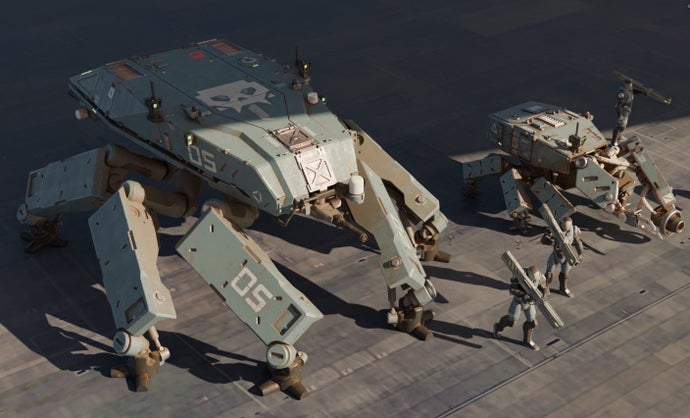
ZeroSpace: A Sci-Fi RTS Merging StarCraft Gameplay with Mass Effect RPG Choices, Featuring Contributions from a Homeworld Designer for Mech Designs

If you have been hankering for a new scifi singleplayer real-time strategy game – specifically, one in which the charm of your human protagonist is inversely proportional to the quality of the mechs – spare a few moments for ZeroSpace. A collaboration between Starlance Studios and Ironward, it puts you in charge of a galactic “Protectorate” army made up of units from various species or factions, and invites you to splattergun swarms of grumpy arachnids, while navigating “through political turmoil in the Orion sector”. It’s out in early access on 20th July.

Read more

Uncategorized

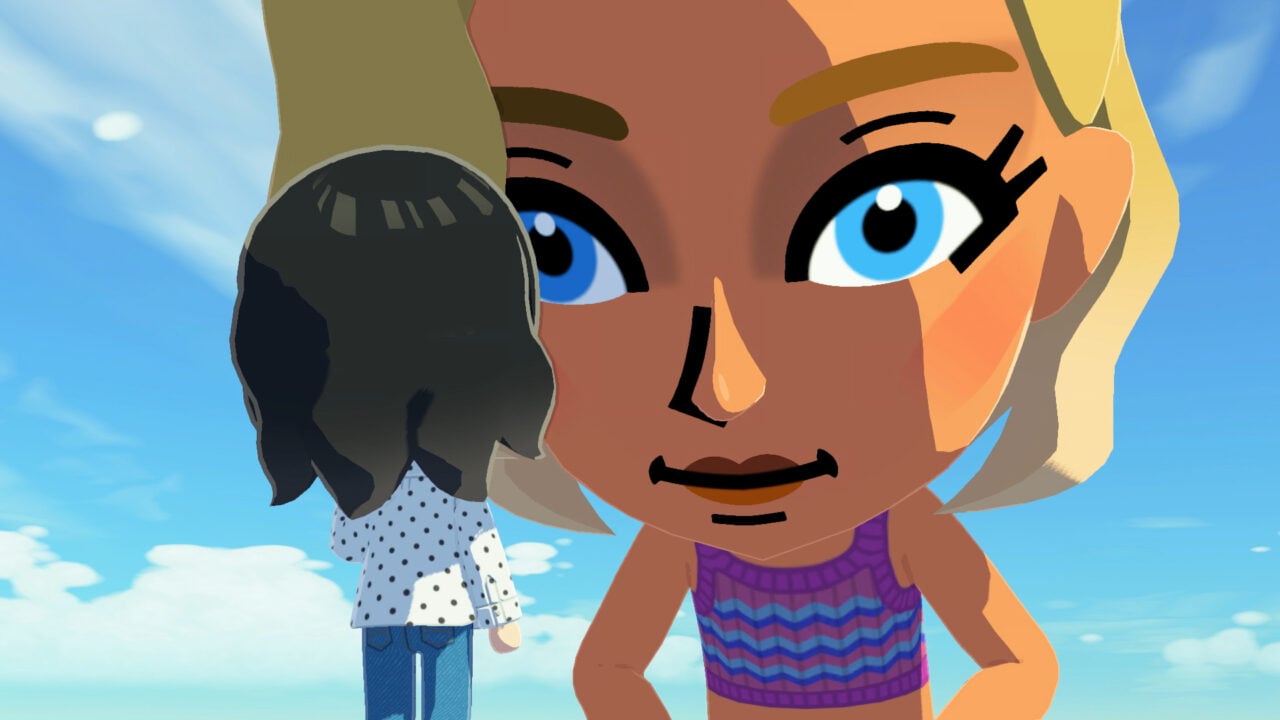
Heightened Tension Among Miis in Tomodachi Life Inspires Fan Theories

### The Divided Reception of *Tomodachi Life: Living the Dream*

Following the launch of *Tomodachi Life: Living the Dream* last month, the gaming community has shown mixed reactions toward the latest entry in the cherished life simulation franchise. Some gamers applaud the title for its wide-ranging customization features and player agency, while others have expressed their dissatisfaction with the alterations in gameplay mechanics, especially the perceived rise in aggressiveness among Miis.

In the initial *Tomodachi Life*, Miis functioned with a degree of independence, crafting a realm where players felt more like onlookers than overseers. This distinctive element drew in fans who relished the unpredictable aspects of Mii interactions, often characterized by spontaneous conflicts and naturally developing relationships. However, in *Living the Dream*, several players believe that the capability to impose excessive control over their islands has disrupted the game’s equilibrium, resulting in a more managed, less genuine experience.

To tackle various performance concerns, Nintendo issued a patch, Version 1.0.2, shortly after the release. Most adjustments were minor, yet a notably ambiguous note regarding gameplay enhancements sparked speculation among players. Numerous users reported a significant shift in Mii interactions, mentioning a rise in confrontations and a decline in the formation of friendly bonds following the patch.

Players have taken to social media platforms to voice their grievances, with some asserting that the new dynamics have “ruined” their islands, supported by tweets bemoaning the fallout of interpersonal relationships among Miis. One gamer shared, “the tomodachi patch has somehow destroyed not 1, not 2, not 3, but 7 distinct relationships on my island,” emphasizing the extensive effect the patch has had on their gaming experience.

On the other hand, a portion of the gaming community welcomes the revised gameplay mechanics, finding enjoyment in the slowly evolving conflicts that have surfaced. Some perceive the heightened interactions as a positive development in the game’s storytelling. One Reddit user noted, “I appreciate the gradual progression, it’s a comforting game. I think if I received a call every day I logged in I’d get frustrated,” referencing the Miis’ calls regarding major life events.

As conversations persist, it seems a balance may be required between conflict and friendship within the game. While some players enjoy the new feisty Miis, others are concerned that the game could devolve into a dull experience lacking in spontaneity. The future trajectory of *Tomodachi Life: Living the Dream* may depend on whether Nintendo acknowledges and addresses this feedback, finding a middle ground between the desire for vibrant interactions and the charm that characterizes the series.

Uncategorized

Discover the Art of Catching Scalpers in a Competitive Shop Management Game Focused on Flipping Pokémon TCG Cards.

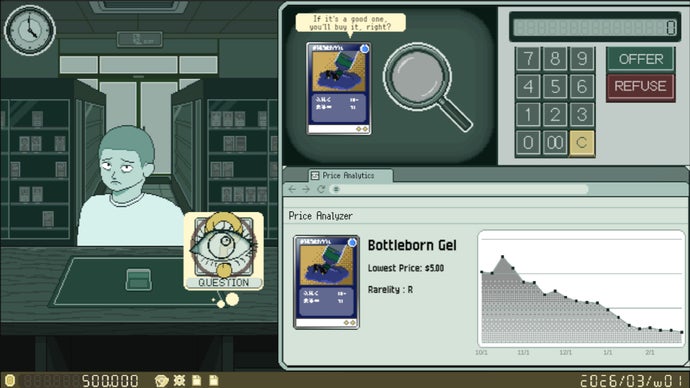
You’re A Scalper, Aren’t You? is a collectible card shop management sim dedicated to punishing the terrible, awful, no-good people who buy up popular or hard-to-find cards, and sell them on at massively inflated prices. Certainly, it’s one of the more vengeful job sims I’ve encountered lately. Think Papers, Please, but instead of weaselling out subversives, you’re putting the squeeze on folks who are trying to make a killing from Pokémon’s Prismatic Evolution packs.

Read more