Uncategorized

Anime Gambling Horror Game Removes Free Steam Demo to Avert AI Exploitation
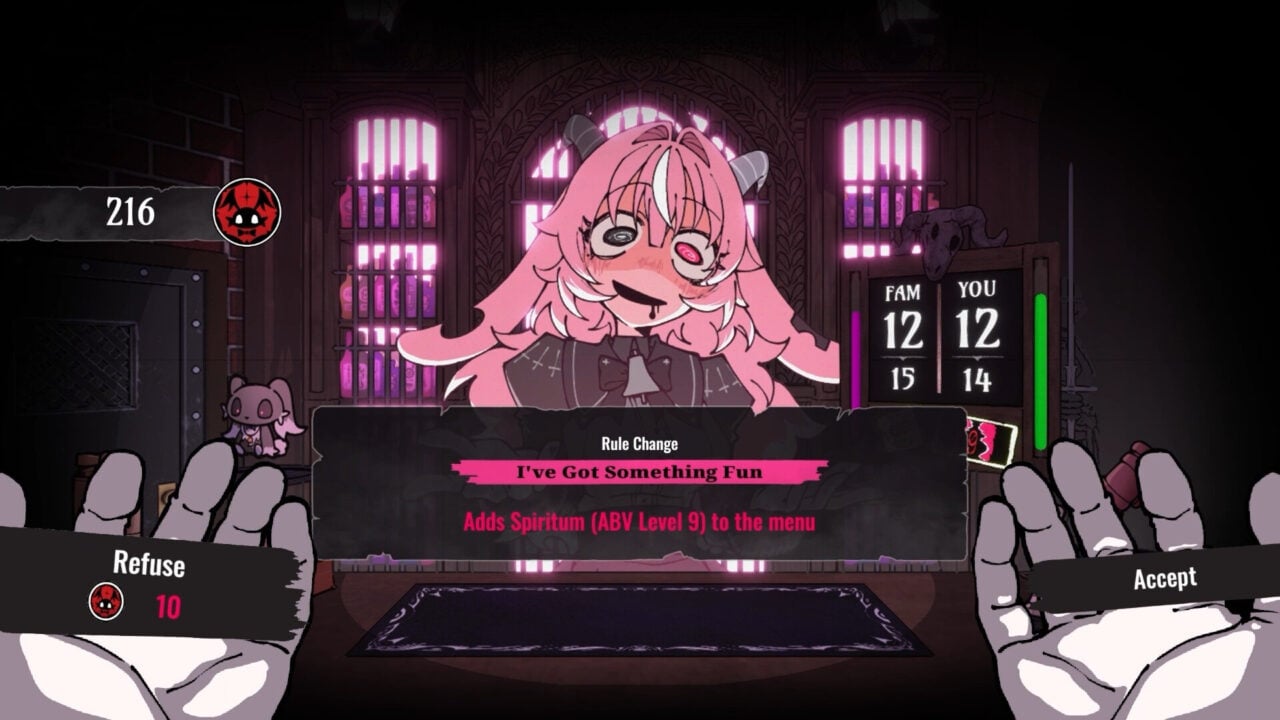
**Drunken Goddess Reflux: A Look into the Upcoming Anime Horror Game**

*Drunken Goddess Reflux* represents a distinctive addition to the anime horror game sector, merging aspects of psychological suspense with gambling elements. Crafted by Alliance Arts, this game immerses players in a high-pressure setting where they partake in a perilous game of Russian Roulette against a demon bartender. The aim is to get the demon inebriated to uncover vital secrets that affect the player’s chance of survival. While the game boasts an exciting concept and visually appealing design, it has recently sparked interest due to a notable change in its marketing approach.

Initially aiming to launch a free demo at the forthcoming Steam Next Fest on October 19, the developers have now decided to proceed with a closed play session involving a restricted group of participants. This shift was announced in a Steam update, where the developers conveyed their regrets for letting down enthusiastic players. The main reason mentioned for this change revolves around apprehensions regarding generative AI technology, which has evolved rapidly over the past few months.

The development team expressed concerns about the possibility of AI-generated replicas of their demo that could inundate online platforms prior to the official game release. With such technologies becoming more widely available, Alliance Arts understood that imposing limitations on streaming and content sharing related to the demo would be impractical considering their team’s size. The looming threat of unauthorized content mimicking the spirit of *Drunken Goddess Reflux* played a crucial role in their decision-making.

Although relatively obscure before this year, *Drunken Goddess Reflux* has already garnered a substantial fanbase, with more than 25,000 followers on its Steam page and ranking 65th on the list of most wishlisted games on the platform. This early enthusiasm suggests the game’s potential impact within the gaming community, particularly among fans of similar horror-themed games like *Doki Doki Literature Club!* and *Buckshot Roulette*.

The storyline surrounding *Drunken Goddess Reflux* highlights a larger concern within the gaming sector regarding the influence of AI on creative endeavors. Recent trends have led to a surge of AI-generated games and imitations, raising fears about originality and market oversaturation. While the economic ramifications of this trend remain unclear, it is evident that the risk of imitation is driving developers to take proactive measures to safeguard their work.

In a climate where Steam Next Fest is teeming with various game demos, it seems that Alliance Arts may have chosen to forgo the public demo path to establish a unique identity for their game amid intense competition. By opting for exclusivity in playtesting, they effectively underscore the distinctive characteristics of *Drunken Goddess Reflux*.

As the gaming landscape adapts alongside technological advancements and evolving player expectations, the tale of *Drunken Goddess Reflux* stands as an engaging case study. Its combination of horror and gambling elements, coupled with the challenges posed by generative AI, forms a captivating intersection of creativity and innovation—a narrative worthy of attention as the game nears its official debut.

Uncategorized

Cancellation of Controversial Reignited Update for RuneScape Announced

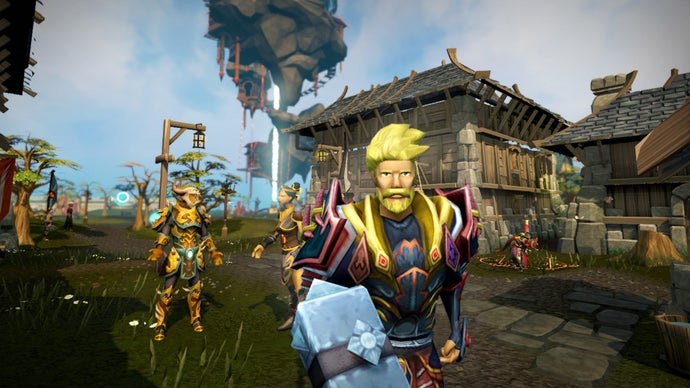
Welp, that was short lived. Earlier this month, Jagex made some big RuneScape announcements, namely that they’re making a fourth version of the MMO (aptly, currently called RuneScape 4), but also the arrival of RuneScape Reignited, a new character type that would come with its own, new economy. The intention here seemingly was to bring new people in to breathe some life back into the game. This did not go down well with the old timers. And now, it’s been flat out cancelled.

Read more

Uncategorized

Critique of Cyberpunk: Edgerunners II by Kotaku

**Examining the Highs and Lows of *Cyberpunk: Edgerunners II***

The inaugural season of *Cyberpunk: Edgerunners* mesmerized viewers with its unforgettable scenes and profound emotional storytelling, weaving a narrative fabric that soared throughout its ten episodes. The partnership between Studio Trigger and CD Projekt Red guaranteed that every moment was carefully designed to lead to significant climactic experiences, portraying a journey marked by sorrow and violence.

Memorable moments, such as the main character David Martinez facing the crippling impact of cyberpsychosis on his mentor Maine, highlight the series’ capacity to express intense emotional nuances through striking animation. The moving finale, where netrunner Lucy fulfills her lifelong aspiration of reaching the moon due to David’s sacrifices, further enhances the narrative’s emotional depth.

However, the excitement surrounding the debut of *Edgerunners II* was met with discontent. The subsequent season departs considerably from the singular focus that its predecessor established. Instead, it adopts a more ensemble technique, introducing various characters—Roman, Talia, and D—whose separate storylines gradually connect over the course of the season. This stylistic evolution signifies a move away from conventional storytelling, where a distinct protagonist embarks on a quest with clear stakes.

Set in Night City, a societal microcosm defined by the stark contrasts between wealth and hardship, *Edgerunners II* struggles to produce a unified storyline. In contrast to *Cyberpunk 2077*, where players navigate the intertwined lives of various characters, the second season’s plotlines frequently feel isolated and disconnected. The interactions among characters lack the depth and narrative significance that previously unified the story threads, resulting in a fragmented viewing experience.

The revelations meant to bring the narrative together seem insufficient, prompting doubts about the stakes introduced throughout the season. Talia’s declining health and growing revenge schemes evoke incidents of violence, but they rarely resonate with the deep commentary on violence found in the first season. The depiction of Night City itself appears to fade into the background, lessening its importance as a key character in the story.

While the series retains Studio Trigger’s talent for visually captivating animation and features strong voice acting, the emotional impact once present in the first season seems lessened. Viewers who cherished the peaks of David’s journey might find themselves longing for the same degree of investment and emotional connection that characterized the original.

In summary, *Edgerunners II* offers an adventurous exploration of thematic elements within the *Cyberpunk* universe but ultimately stumbles in conveying a cohesive narrative. Despite its flaws, the distinct setting and characters still present opportunities for storytelling within Night City, though not every story within this universe can reach greatness.

Uncategorized

CD Projekt Faces Significant Challenges Due to Rising Game Development Costs, According to Anthem’s Executive Producer

“The triple-A industry has become over-specialised, specialised to the point of hyper-fragility,” Mark Darrah states in a foreboding interview found deep in the pages of the Summer Eternal Anthology, recently covered by Edwin. As a former executive producer at Bioware, who corralled teams on Anthem and Dragon Age, after starting his career as a programmer on Baldur’s Gate, Neverwinter Nights, and Jade Empire, Darrah has seen firsthand the growing scale of video game production and the challenges it can bring.

Darrah’s also been vocal about the difficult development of Anthem in the past, and the struggles he had at Bioware. However, while what he says in the interview may be familiar, I found it gained sharper definition when read in light of games industry news and some of the interviews I’ve had with developers this year. So let me pull together some of the choice bits with the extra context from our own RPS vaults.

Read more

Uncategorized

Kotaku Review: A Comprehensive Examination of Ready Or Not

**Establishing Order Amidst Turmoil: The Tactical Authenticity of *Ready or Not***

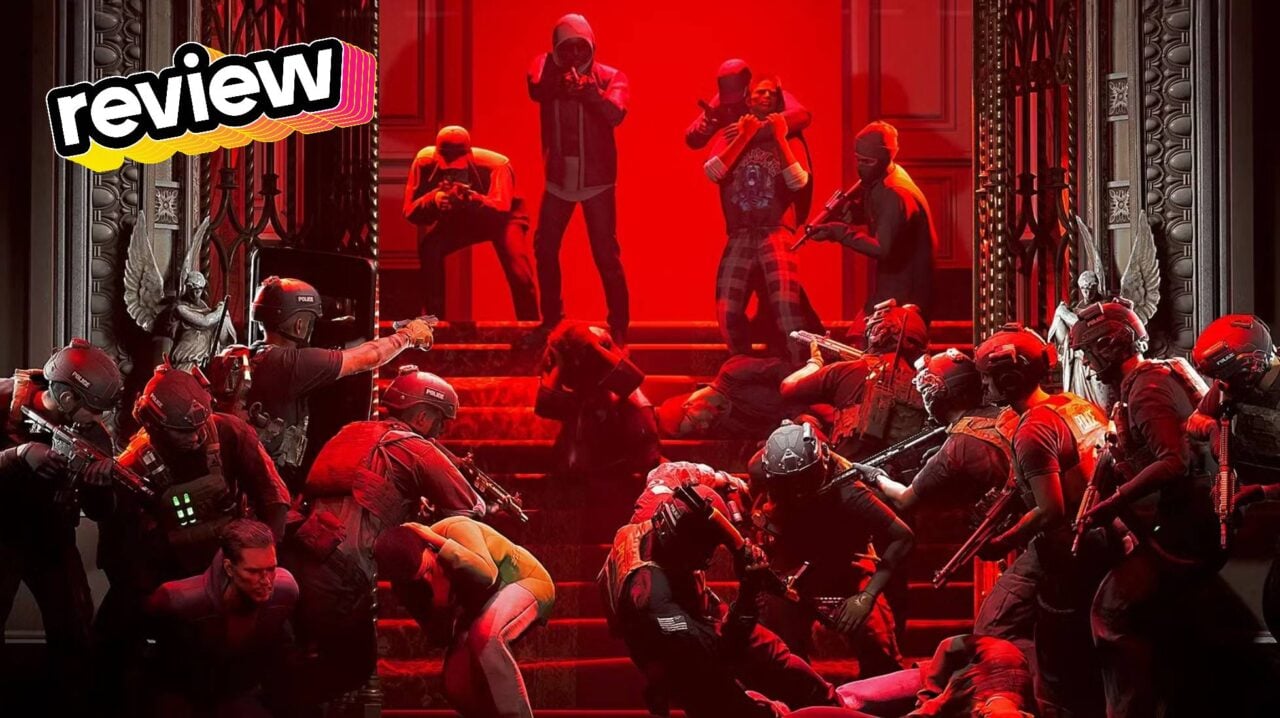
*Ready or Not*, a tactical shooter crafted by VOID Interactive, situates players as commanders leading a four-member SWAT team through challenging and chaotic scenarios in the fictional city of Los Suenõs, California. The game is inspired by real-life incidents and tragedies, exploring themes of violence and law enforcement within a meticulously crafted setting.

In *Ready or Not*, participants are immersed in the high-pressure situations that characterize contemporary policing. Each mission presents players with moral and tactical quandaries, requiring swift decision-making as they navigate through scenarios reminiscent of notable tragedies, such as school shootings and mass violence events. The developers aim to foster empathy and a comprehension of the physical and psychological burdens that law enforcement officers endure while ensuring public safety.

To restore order in the midst of chaos, players give commands, employing non-lethal methods to incapacitate suspects and safeguard civilians. The game highlights tactical strategies, rewarding players for exercising restraint and strategic thought. However, it also recognizes the disorderly nature of these encounters—failure to achieve compliance can swiftly escalate crises beyond management.

The history of SWAT teams is crucial for grasping the gameplay mechanics in *Ready or Not*. The inception of SWAT can be traced to the civil disturbances of the 1965 Watts riots, which highlighted the shortcomings of conventional policing methods. LAPD Chief Daryl Gates was instrumental in forming the specialized unit in response to such upheavals, transforming the landscape of American law enforcement towards militarization. This backdrop informs the narrative of *Ready or Not*, showcasing the transition of police tactics from community-focused methods to assertive interventions.

The game draws similarities with earlier titles, particularly Sierra’s *Police Quest* series and the classic *SWAT 4* from 2005. VOID Interactive’s development team features modders from *SWAT 4*, preserving a link to the heritage of tactical shooters that compel players to think quickly and evaluate violence from various angles.

*Ready or Not* effectively ignites discussions around controversial subjects. The game navigates delicate narratives, depicting scenarios that elicit both empathy and discomfort. By representing criminals and victims from diverse backgrounds, it challenges players to face intricate social realities, including poverty, desperation, and violence.

The narrative structure of *Ready or Not* is non-linear, presenting a variety of mission scenarios that cover an array of situational challenges, from drug trafficking organizations to secluded cults. Each mission introduces distinct challenges, compelling players to modify tactics based on the environment and developing events. The lack of a fixed storyline contributes to unpredictability, mirroring the chaotic essence of real-world policing.

Ian Bogost’s notion of “persuasive games” resonates with *Ready or Not*, as the game encourages players to engage with significant social issues while fulfilling their roles as law enforcers. However, the game’s capacity to evoke empathy is intricate and complicated; it simultaneously romanticizes the legend of the heroic officer and places players in ethically questionable circumstances.

As players delve into the stark realities of law enforcement, the game provokes potent emotional reactions, rendering the experience deeply engaging yet ethically ambiguous. The design and mechanics seek to heighten the urgency of decision-making under high-stakes pressure, immersing players in the challenges confronted by those on the policing frontline.

In summary, *Ready or Not* utilizes its identity as a tactical shooter not merely for entertainment but also to stimulate contemplation about the realities of policing in modern America. Through a combination of immersive gameplay and thought-provoking themes, the title encapsulates the proverbial struggle to “establish order amidst turmoil,” urging players to ponder the intricacies of violence, authority, and ethical decision-making in a chaotic world.

Uncategorized

Valve Introduces Steam Achievement Sets in Beta, Organizing Game Trophies into DLC and Seasonal Categories

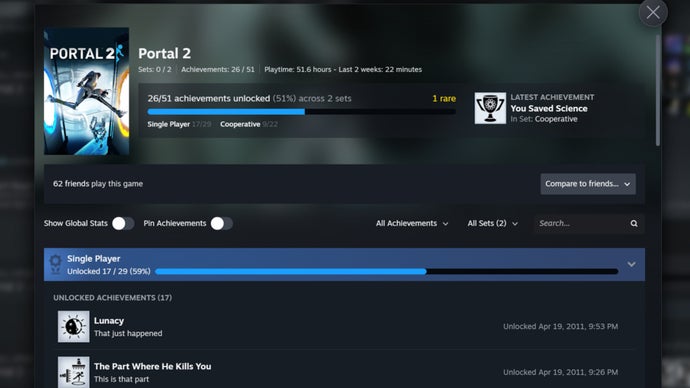
Steam has a new feature in beta aimed at helping completionists feel like they’ve got a bit more of a handle on their never-ending quests to 100% games whose trophy lists keep on growing and evolving. Steam achievements can now be grouped into sets determined by the developers, creating a means of separating off the likes of DLC trophies from the base game’s to-do list, thereby making it clearer what you’ve done so far and where you might want to focus next.

Read more

Uncategorized

The Legendary Track of Castlevania: An Appeal for Passion Over Serenity

### The Soundtrack of *Castlevania: Belmont’s Curse*: An In-Depth Examination

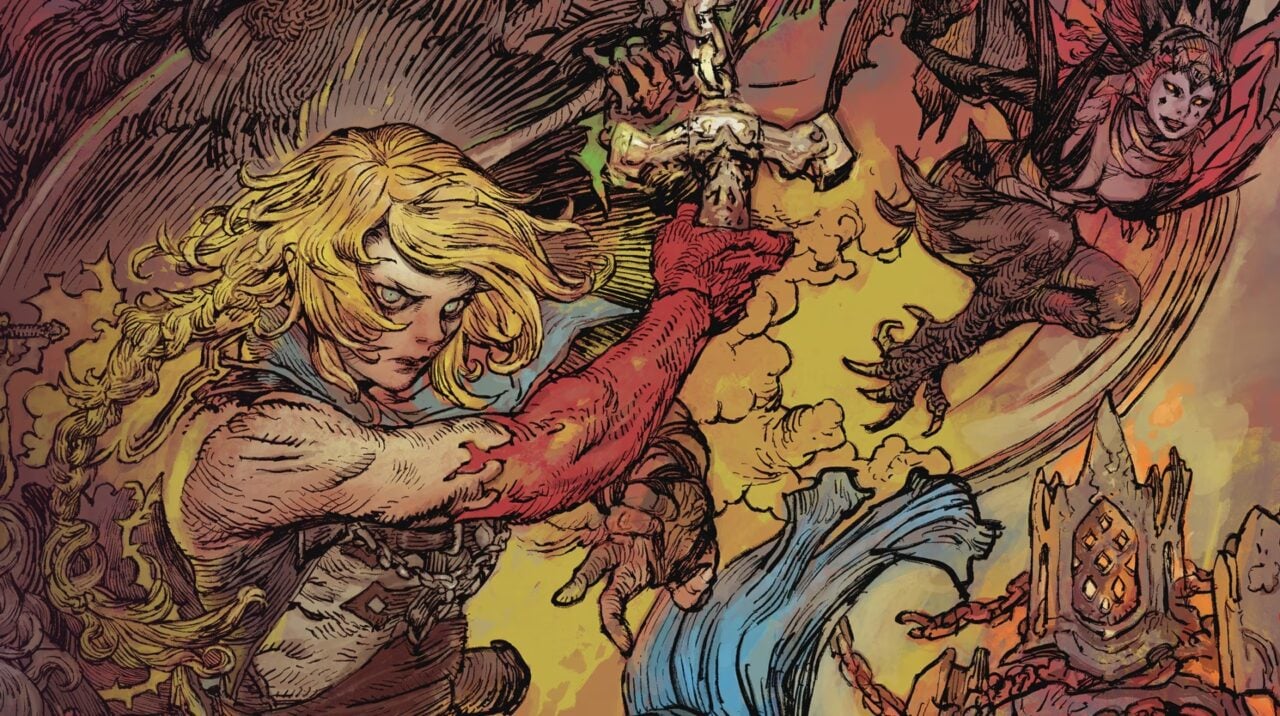
As players traverse the haunting terrains of *Castlevania: Belmont’s Curse*, one element emerges as a pivotal part of the entire experience: its soundtrack. The choice made by the sound team at Evil Empire to deliver a diverse downtempo selection has profoundly struck a chord with many, harmonizing effortlessly with the game’s atmospheric visuals and captivating mechanics.

#### A Modern Sound Environment

In a gaming scene frequently saturated with high-octane soundtracks that can overwhelm players, *Belmont’s Curse* opts for a more laid-back yet captivating auditory journey. The music enriches the game without being obtrusive, successfully fostering an ambiance that players can appreciate even during calmer moments. This characteristic distinguishes it from other titles infamous for their jarring or exaggerated audio elements, such as the unforgettable harpsichords in *Symphony of the Night’s* Long Library.

#### Noteworthy Compositions

Among the prominent tracks is “Bone March,” which accompanies the exploration of the Paris Catacombs. Its eerie melodies perfectly embody the discomfort of navigating such a shadowy setting. Likewise, “Iron Clock,” the theme for the Clock Tower, evokes a sense of urgency and nostalgia, further enhancing the game’s themes. Even during challenging encounters, like the thrilling Talos boss battle, players can find a rhythm in the lively yet funky “Stone Tyrant” theme, reflecting the intricate musical composition that pervades the game.

#### The Disappointment of “Bloody Tears”

Notwithstanding the overall triumph of the soundtrack, a significant exception arises with the rendition of “Bloody Tears.” This legendary piece, celebrated throughout the *Castlevania* series, is emblematic of adventure, urgency, and sentimentality. Earlier versions of “Bloody Tears” recognized its purpose in invigorating players, effectively inspiring them to confront formidable enemies like Dracula. However, in *Belmont’s Curse*, the track feels like a squandered chance.

The expectation built by the familiar notes leads players to anticipate a dramatic crescendo, yet the execution disappoints. The arrangement skews heavily orchestral, lacking the vitality that defines previous interpretations. Consequently, instead of igniting excitement, this version fades into the background, glaringly contrasting the high-energy feel one associates with this iconic theme.

#### Conclusion

To sum up, the soundtrack of *Castlevania: Belmont’s Curse* illustrates the fine line between crafting an immersive atmosphere and invigorating gameplay. While numerous tracks successfully accomplish this balance, the reimagined “Bloody Tears” stands as a reminder of the difficulties in capturing the spirit of a cherished classic. With its fascinating mixture of ambient and engaging music, *Belmont’s Curse*’s soundtrack represents a noteworthy achievement, albeit with one hauntingly underwhelming note.

Uncategorized

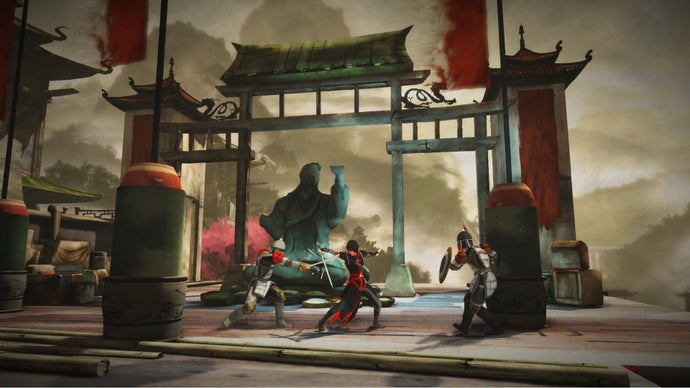
Leak Suggests Ubisoft Developed a Second Assassin’s Creed Game Set in Qin Dynasty China

Footage alleged to show a prototype of a cancelled Assassin’s Creed game in action has popped up online. The game, it’s claimed, was set in ancient China, went by the working title Assassin’s Creed Destiny, and was a separate project to Chinese-set mobile game Assassin’s Creed Jade. Instead, from the sounds of it Destiny would have been a game aimed at PC and consoles.

Read more

Uncategorized

Investigating Video Game Ownership Frameworks in a Completely Digital Tomorrow

**The Future of Digital Game Ownership: Rights and Responsibilities**

As the gaming industry progresses, the conversation regarding digital versus physical game ownership becomes ever more pertinent. While numerous gamers appreciate the tactile sensation of amassing physical game discs, the convenience provided by digital libraries is undeniably attractive. A rising concern, though, is the durability and control over digital assets after acquisition, which has sparked discussions about the necessity for consumer protections and regulation within the digital market.

### The Convenience of Digital Gaming

One of the prominent benefits of digital gaming is the straightforward access it offers. With consoles such as the PlayStation 5, users can swiftly navigate through a vast collection without physical disorder. The inconvenience of disc exchanges is removed, facilitating seamless gaming experiences. Moreover, digital acquisitions alleviate worries regarding damage or loss, providing a dependability that physical editions cannot assure.

### The Risks of Digital Ownership

Nonetheless, digital ownership brings its own array of hurdles. Unlike tangible discs, digital games remain susceptible to the decisions of the publisher. Problems surface when digital purchases can be revoked at any moment, prompting consumers to ponder the essence of their ownership. The reality is that digital games may disappear if servers go offline or if corporations choose to withdraw support. This generates uncertainty regarding future compatibility with emerging hardware and access to previously purchased content.

### Legislative Changes Proposed

In response to these issues, there are growing demands for regulations concerning digital game ownership. Representative Ritchie Torres has proposed legislation aimed at protecting consumer rights in the digital domain. The suggested “Power To The Players Act” intends to secure essential rights for gamers: the rights to own, play, and transfer games they have bought. Torres contends that digital games should not be regarded as rentals masquerading as purchases, highlighting the significance of safeguarding consumer investments in a market increasingly dominated by subscription services and temporary gaming offerings.

### Addressing Unique Challenges

While the suggested legislation lays a groundwork for digital rights, multiple complexities still need to be tackled. For example, how would these regulations apply to online-only multiplayer titles? Would there be a system ensuring continued access to these games once their original platforms become outdated? Additionally, concepts like blockchain technology have been hinted at as potential remedies to facilitate the trade and resale of digital games, crafting a structure similar to the physical marketplace.

### The Call for Consumer Empowerment

Ultimately, for digital ownership to embody genuine consumer rights, the gaming sector must investigate feasible frameworks that support flexibility and longevity. As gamers desire reassurance that their investments are safe, the industry confronts the task of modifying its business models to favor consumer empowerment without compromising its revenue frameworks.

### Conclusion

The ongoing dialogue surrounding digital game ownership underscores the need for enhanced transparency and protection within digital marketplaces. As legislation such as the “Power To The Players Act” advocates for a fairer gaming environment, it encourages gamers and industry stakeholders to participate in a conversation about the future of game ownership. Ensuring that consumers maintain control over their digital libraries not only enriches the gaming experience but also aids in establishing a more reliable and sustainable gaming ecosystem.

As this discourse advances, players have the chance to share their perspectives and contribute to forging a future that respects both the nostalgia of physical collections and the advantages of digital accessibility.

Uncategorized

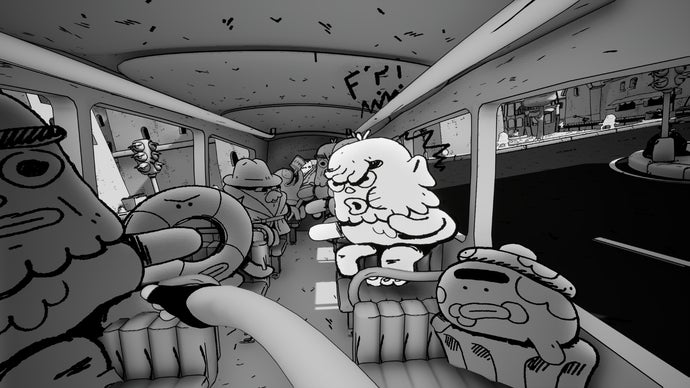
Exploring the Unique Experience of Double Fine’s Thank You Bus Driver: The Joy Found in Interacting with Unruly Passengers

Showing some gratitude is the least these scribbly wretches can do. The passengers in Thank You Bus Driver – Double Fine’s new comedy public transport sim – are almost invariably rowdy, entitled hypocrites, happy to sully my single-decker by picking their toes and bellowing down their phones, while only ever being seconds away from a strop if another traveller does the same. Still, here I am, locked in symbiotic misery with them, desperate to choke down the scraps of acknowledgement they’ll spare for arriving at their stop in good time. I hate them. Please love me.

Read more