Locations of All Firstlight Schematics in Slayers 2 – Complete Armor Set Guide
The first light!
The post All Firstlight Schematic Locations in Slayers 2 – Armor Set! appeared first on Gamezebo.
The first light!
The post All Firstlight Schematic Locations in Slayers 2 – Armor Set! appeared first on Gamezebo.
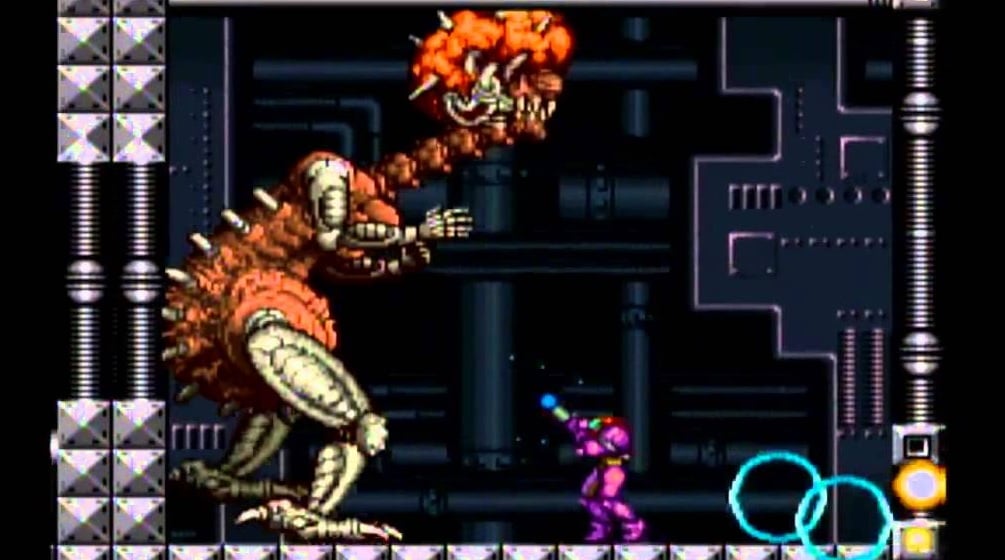
Ubisoft has officially launched an audacious venture into the world of generative AI gaming under the captivating codename “Motherbrain.” This designation is taken from the rogue AI entity in Nintendo’s legendary Metroid series, recognized for its endeavors to weaponize the Metroids. Reports from sources like Game File indicate that Ubisoft has submitted multiple trademark applications for the term, directly associating it with their AI initiatives.
One trademark application outlines “downloadable computer software utilizing artificial intelligence (AI) for the creation of video games and interactive content.” Another highlights the research, design, and development of AI software, encompassing elements such as artificial intelligence as a service (AIAAS) for data analysis and human engagement. These applications signify Ubisoft’s substantial commitment to embedding AI technologies into their game development methodology.
Internally, Ubisoft seemingly employs the term “Motherbrain” to classify its diverse AI efforts, although no public announcements regarding this designation have been made to date. While the name may evoke the gaming heritage of Metroid, Ubisoft has been more open about the distinct applications of AI in their projects.
In 2023, Ubisoft unveiled GhostWriter, an AI tool intended to aid writers in generating dialogue for non-playable characters (NPCs) in franchises like Far Cry. The subsequent year saw the launch of its Neo NPC initiative, which aims to leverage AI to develop more captivating and dynamic side characters. This was further enhanced by the rollout of Teammates, a playable generative AI research endeavor that presented AI-voiced allies responding in real-time to player actions in a Ghost Recon-style gameplay environment.
In a commentary to Variety, Xavier Manzanares, Ubisoft’s director of GenAI gameplay, conveyed optimism regarding the future of gaming, emphasizing, “Games of tomorrow will listen, understand, and respond to players much more than today, and our research provides a preview of what adaptive, generative play may contribute on top of established game systems.”
Nonetheless, integrating AI into Ubisoft’s games has faced obstacles. Instances like the launch of Anno 117: Pax Romana displayed unintentional inclusion of AI-generated artifacts in the final artwork, which were later rectified by the developers.
“Motherbrain” serves as a memorable and thematically appropriate title for Ubisoft’s exploration into AI, potentially indicating a major advancement in interactive gaming experiences. As Ubisoft progresses in exploring and implementing these technologies, the gaming community eagerly awaits how these innovations will transform player interactions and narrative involvement in the times ahead.
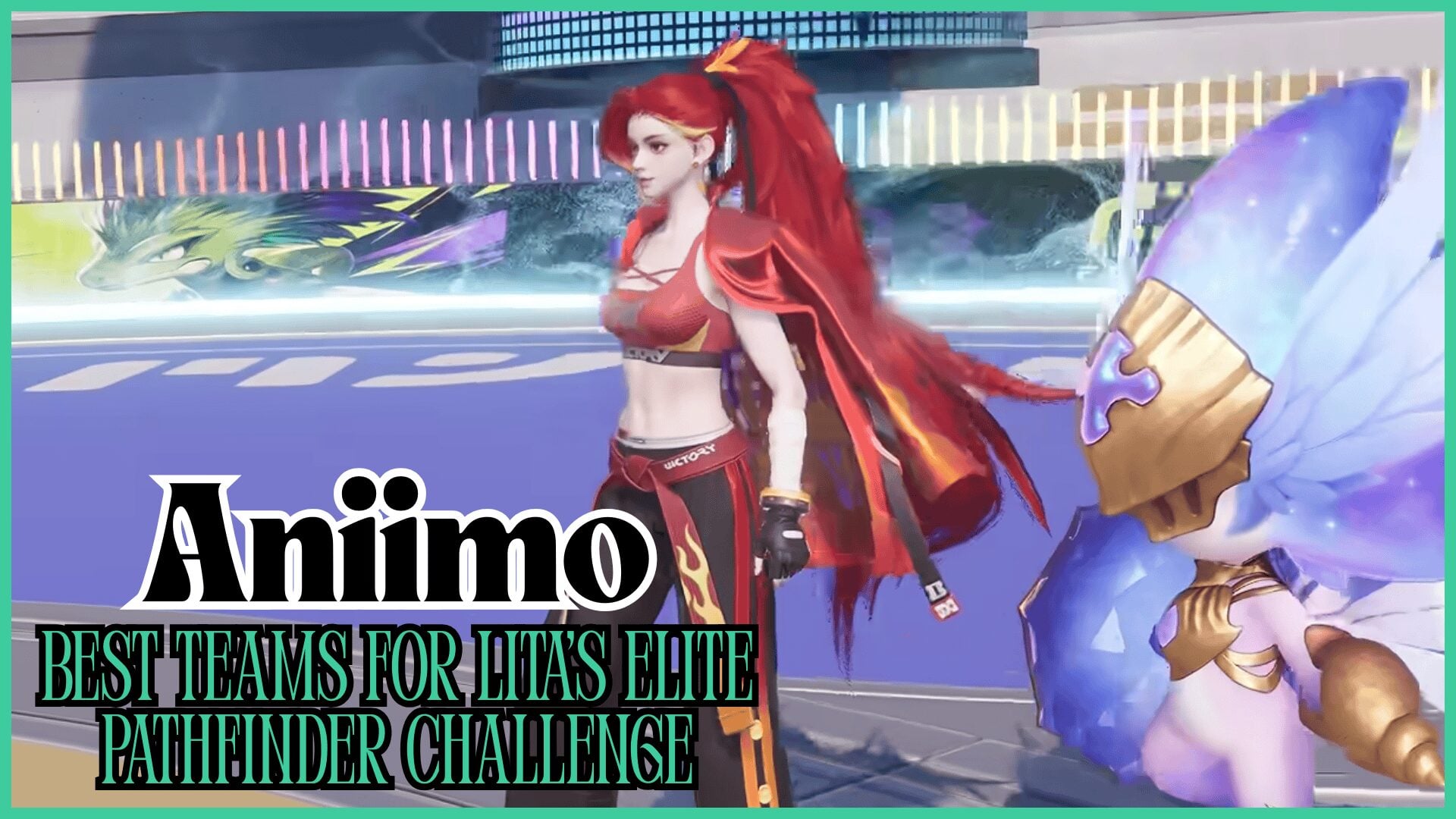
The toughest Elite Pathfinder Challenge.
The post Best Teams Against Lita’s Pathfinder Challenge in Aniimo appeared first on Gamezebo.
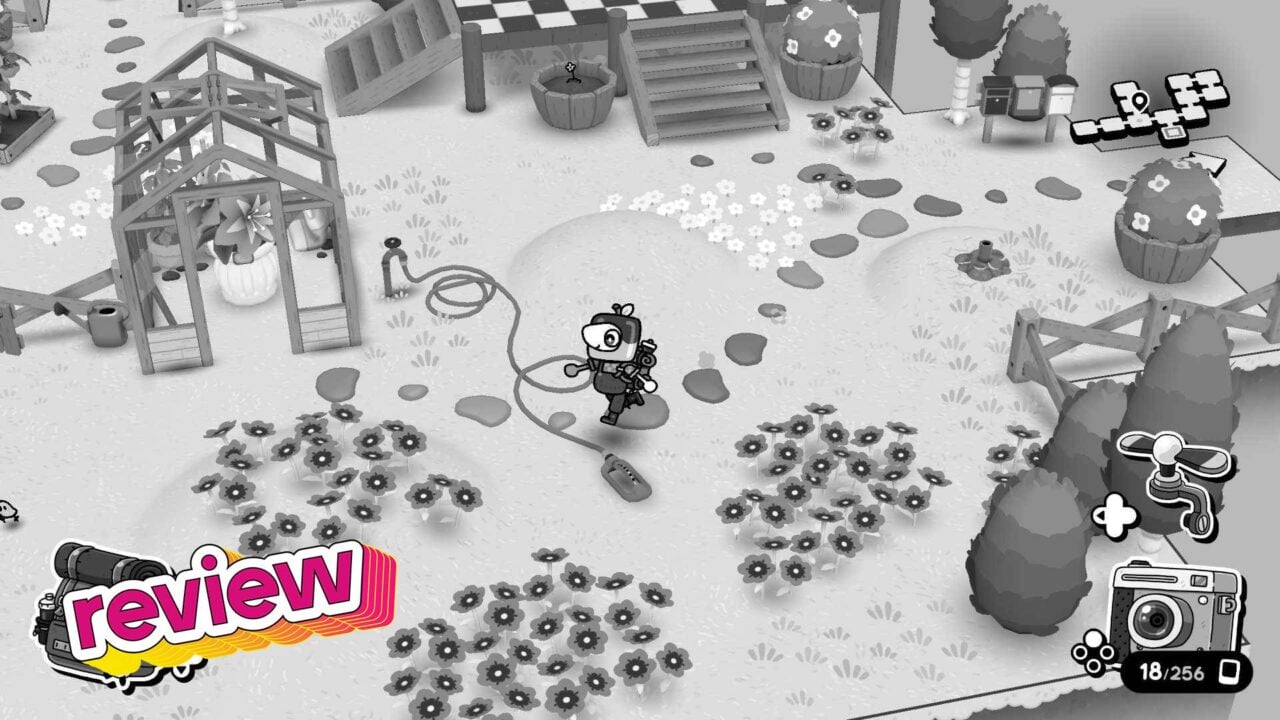
### Discovering the Charming Aspects of *TOEM 2*
In the tranquil realm of *TOEM 2*, gamers uncover not just a game, but a genuine journey filled with marvel and delight. One of the endearing elements that catches the eye is an animation where your character, while moving along the stone paths of Cropton or crunching through the autumn foliage in Deltburg, spreads their arms like an airplane and skips playfully. This minor detail, seemingly irrelevant to gameplay mechanics, has a deeper significance: it spreads joy to players, motivating them to find these enchanting moments throughout the game.
#### A Flawless Continuation
Having previously examined *TOEM*, it’s clear that *TOEM 2* operates as a flawless extension of its forerunner. Both games invite players on an enchanting black-and-white quest, utilizing a camera to explore four principal areas in search of the elusive TOEM. The adventure involves gathering stamps by helping eccentric characters with their various quirky challenges, often necessitating players to interact creatively with their environment. Each area is filled with interconnected dioramas and amusing beings, offering players both a collect-a-thon experience and captivating narratives.
#### Improvements in Gameplay and Aesthetics
*TOEM 2* introduces a plethora of enhancements to the formula set forth by the initial game. Visually, the levels offer a more three-dimensional look and verticality, allowing for fresh gameplay mechanics such as jumping and climbing. These additions enable players to more easily discover hidden creatures and outfits. A new focus lens for the camera adds a layer of exploration where players must sometimes unveil hidden secrets.
Furthermore, each locale presents a distinct gimmick related to the camera, such as adjusting the direction of water pipes with a wrench or smashing jars and hammering nails. While these features enhance the experience, the core of *TOEM* remains unchanged — a tribute to exploration and creativity.
#### The Pleasure of Observation
Both *TOEM* titles underscore an inherent urge to explore not from necessity but from sheer curiosity. Players are encouraged to revel in the joy of their surroundings and uncover numerous concealed details. The characters are infused with humor, igniting joy and eliciting smiles when interacted with through the camera. Observational tasks, like locating five smelly items for a museum in Deltburg, urge thorough examination of the surroundings, deepening players’ immersion in the experience.
#### A Subtle Shift in Difficulty
Despite its upgrades, some players might perceive *TOEM 2* as somewhat less challenging than its predecessor. While progress remains abundant, with many straightforward tasks to accomplish, the quests seem less demanding in their creativity. The absence of the honking horn mechanic present in the first game, which introduced a certain level of spatial awareness and observation, may render puzzles less engaging. This shift could lead to a sensation of hurried gameplay, causing players to feel as if they are racing through rather than fully immersing themselves in the world.
#### Fresh Themes of TOEM
An intriguing element of *TOEM 2* is its examination of the concept of TOEM itself. Unlike the first game, which culminated in experiencing the Northern Lights, the sequel presents the notion of multiple TOEMs. This evolution not only enriches the narrative but also highlights the accessibility of beautiful experiences. The message becomes evident: extraordinary moments are all around us, waiting to be uncovered if we decide to pursue them.
#### Conclusion
While *TOEM 2* may not exceed its predecessor regarding gameplay complexity, it remains enchanting through its delightful details and sincere themes. Players may find themselves nostalgic for the joy of discovery and the simplicity of adventure long after the game concludes. As seasons shift, much like the game’s environments, the essence of *TOEM 2* remains, reminding us to dance through life, arms wide open, in search of our own TOEMs.
Find the lost soul.
The post How To Get The Watcher In Anomaly Cafe appeared first on Gamezebo.
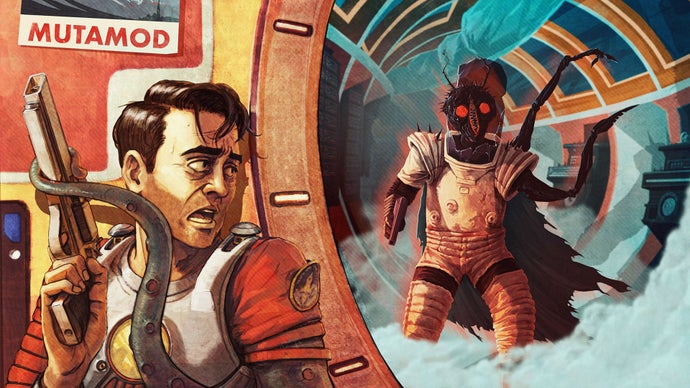
Happy this week all! …Ugh, you are all still here. When I went on holiday last week, I was hoping that I’d return to find that the whole “videogame journalism career” thing was just a fleeting delusion brought on by excess consumption of unripe pears. Perhaps I’ve actually been a wealthy gentleman gadabout this whole time, free of any need to keep the hellmouth topped up with layoff reports in order to stave off deprivation and disaster.
The one consolation – other than EIC Julian’s many encouraging facial expressions and hand gestures – is that people are still making new PC games, and a few of them are actually quite interesting! Here’s the latest list of new releases.

## Pokémon Happy Meal Makes Its Comeback for 30th Anniversary in 2026
No worries, the Pokémon Happy Meal is set for a glorious comeback in 2026 as part of the festivities for the franchise’s 30th anniversary. The promotion is scheduled to kick off on November 5 and last until December 9, bringing the thrill of long lines at McDonald’s drive-thrus nationwide, as fans rush to enjoy a nostalgic meal, even if their initial plan was just to get a banana milkshake.
### What to Anticipate in the Happy Meal
Initially revealed by PokéBeach, the yearly Pokémon promotion has stirred excitement among fans, although it hasn’t been officially listed on McDonald’s websites yet. PokéBeach has established itself as a trusted source, making their announcements quite credible. As per their announcement, the forthcoming set will feature the usual 15 cards, packaged in booster packs containing four cards—three standard and one holographic. Traditionally, these cards are reprints from previous sets, easily identifiable by a small set symbol at the bottom left corner. Notably, past releases have showcased unique holographic designs, adding a collectible allure to the cards.
### Meal Features
The Happy Meal will comprise one booster pack along with the choice of a toy or a booklet. This adjustment is particularly appreciated by U.S. customers, especially since McDonald’s UK has entirely phased out plastic toys from its Happy Meals, opting instead for less appealing cardboard options.
### The Hype of the Promotion
Annually, the Pokémon and McDonald’s collaboration sparks an enthusiastic response, causing scalpers and eager collectors to attempt to acquire multiple meals just to obtain sealed four-card packs that often have minimal value in the aftermarket. This phenomenon results in significant wait times for customers merely wanting to enjoy a quick meal, complicating access for younger fans eager to secure their cards.
The situation escalated to chaos last year in Japan, where a promotional event was swiftly abandoned after only three days due to the overwhelming crowds and disorder it generated in McDonald’s establishments. As the TCG (Trading Card Game) continues to gain traction, alongside the excitement around the 30th-anniversary cards, there’s considerable curiosity about how the forthcoming promotion will unfold in the upcoming months.
### What’s Ahead
At this point, there’s no information regarding which particular cards or Pokémon will feature in this year’s Happy Meal promotion or if the cards will have any significant tie to the 30th anniversary. Traditionally, these packs tend to include rather standard bulk cards, which brings forth questions about the overall enthusiasm surrounding the promotion each year.
In summary, the return of the Pokémon Happy Meal is set to ignite both nostalgia and excitement among fans, but it also brings with it the challenges of crowd management and availability that have been typical of past promotions. Collectors and families will need to navigate the hustle and bustle, hoping to make the most of this special occasion as they celebrate three decades of Pokémon.
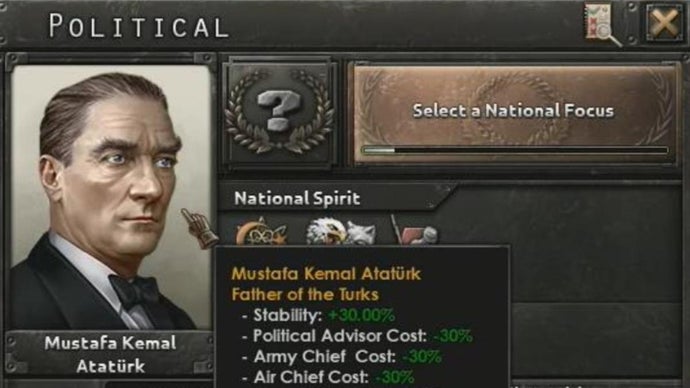
Hearts of Iron 4 developers Paradox Interactive have prohibited the use of Discord profile pictures of historical figures born after 1st January 1800, save for official in-game portraits, amid an uproar caused by a moderator banning somebody for using a photograph of Republic of Turkey founder Mustafa Kemal Atatürk.
Discord server members are still free to “use any official Hearts of Iron IV in-game portraits, including those from after 1800, with the exception of prominent leaders of Nazi Germany,” according to a Discord post attributed to game director Laszlo “Batya” Pieper (copied to Reddit). In the same post, Pieper notes that “Paradox never aims to review history or take positions on political figures, and we clearly handled that responsibility poorly.”

### Unveiling the Creation of Zach Cregger’s “Resident Evil”: The Motion of the Merged Monster
As the excitement dissipates following the unprecedented opening weekend of Zach Cregger’s cinematic version of *Resident Evil*, the film’s creative team is shedding light on the detailed efforts that went into designing its standout monster. Notably, choreographer Jakub Hudlický shared exclusive behind-the-scenes content that highlights the choreography and physical dynamics that brought the film’s distinctive creature to life.
Upon the film’s debut, Hudlický conveyed his enthusiasm through social media, discussing his responsibilities as the Movement Coordinator, where he teamed up with actors to tackle a vital question: “How can the Merged Monster moooove?” This question was crucial, as the creature, characterized by Cregger as the “human tumbleweed” and described by fans as “that Katamari Damacy thing,” is a hideous collage of disparate human limbs. The uniqueness of the Merged Monster’s movements played a significant role in establishing a spine-chilling ambiance within the film.
In a remarkable show of innovation, a team of experts was trained to embody this peculiar hybrid, employing harnesses to emulate the disconcerting connection of body parts. Performers executed intricate movements such as bouncing and rolling, granting the creature a life-like presence on screen. While the foundation for the Merged Monster was established through these physical performances, the final realization of this character necessitated CGI enhancements to effectively portray the creature’s extraterrestrial traits.
Cregger initially aimed for a more live-action technique, striving to utilize the skills of Cirque du Soleil performers. He organized a test where five individuals were bound together, investigating the possibilities of achieving a continuous cartwheel featuring inverted movements. However, Cregger conceded that this approach did not produce the desired agility and resulted in visible heads, which detracted from the intended horror impact. Ultimately, the film depended on a blend of practical effects and computer-generated imagery to create a more seamless and disturbing entity.
Despite varied responses from *Resident Evil* fans concerning Cregger’s divergence from aspects of the original material, the film showcased an array of mutants inspired by the iconic features of Capcom’s gaming series. The Merged Monster, with its disquieting and grotesque design, emerged as a symbol of the ingenuity that drives horror cinema.
As fans continue to reflect on the film and its surprising interpretations of the cherished franchise, the collaborative efforts and inventive approach to character motion remind viewers of the complex artistry inherent in contemporary filmmaking. Hudlický’s behind-the-scenes footage acts as both a tribute to movement and a fascination with the bounds of human expression when confronted with the eerie. As discussions persist, the Merged Monster may remain a pivotal figure in the *Resident Evil* legacy, fusing horror with unconventional performance art.
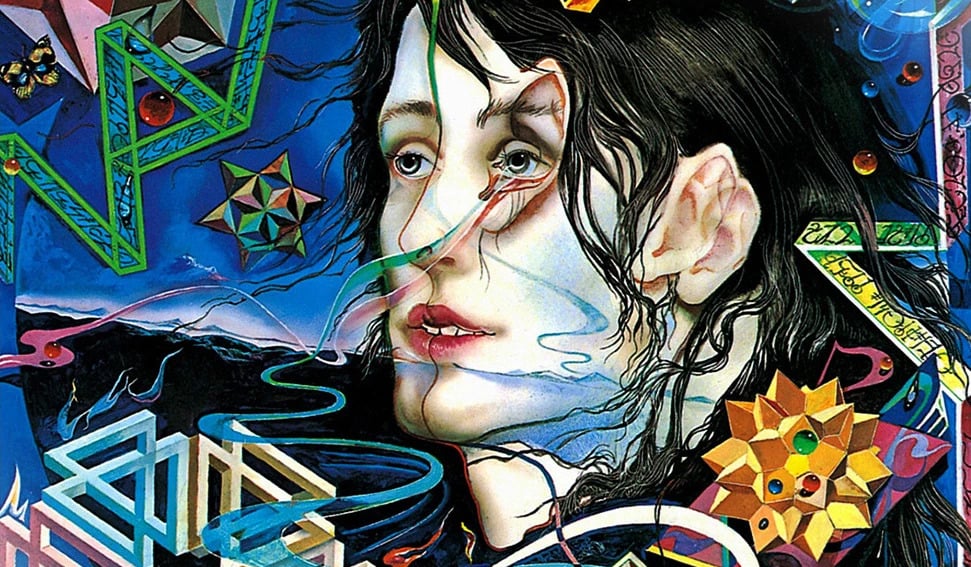
**The Lasting Influence of Todd Rundgren: A Contemplation on Music, Current Trends, and Video Games**
Todd Rundgren, a pivotal artist, producer, and one of the early glam rockers, has played a crucial role in the music scene since the early 1970s. Celebrated for his creative take on music, Rundgren has not only amassed a considerable collection of cult favorites but has also produced significant albums for a range of legendary artists, including XTC, Patti Smith, Hall and Oates, and most notably, Meat Loaf’s *Bat Out of Hell*, which remains among the best-selling albums ever.
In a recent discussion with Vulture, Rundgren expressed his views on today’s music landscape, particularly highlighting the rise of female musicians and the perceived downturn in rock music. He links notable shifts in music consumption to the growing popularity of video games, suggesting that male audiences redirected their spending from music to gaming in the 1990s. “The biggest artists in the world are female artists at this point, and that’s because of video games,” Rundgren remarked, indicating that the cultural appeal of gaming has drawn young men away from music.
The ’90s experienced a significant transformation in the music environment, which had previously been led by grunge and rock bands such as Nirvana and Pearl Jam, ultimately giving rise to boy bands and pop sensations, including *NSync and the Spice Girls*. This evolution raises questions about the long-lasting implications of entertainment choices on musical styles and artist eminence.
Despite his critical stance towards modern trends, Rundgren expresses a certain admiration for pop artists, mentioning Lady Gaga as a noteworthy exception. Nonetheless, he voiced disapproval of artists like Taylor Swift, suggesting that her absence of conventional musical skill has contributed to a uniform music scene. His critique emphasizes a wider concern regarding the progression of artistry in a time increasingly shaped by consumer behaviors and digital entertainment.
Rundgren’s viewpoint ignites important discussions about the intersection of gaming and music. While his remarks may reflect a somewhat outdated perception of gender roles in gaming—where marketing primarily targeted boys in the ’90s—it is vital to acknowledge that the environment has significantly transformed. Games like *Pokémon* and *The Sims* have defied previous stereotypes, showcasing that gaming appeals broadly across genders and demographics. Additionally, many current artists openly embrace their love for gaming, revealing a growing synergy between music and video game culture.
As the music industry struggles to define itself in a digital era, the decline of traditional rock genres continuously stirs discussions about what the future may entail. Rundgren’s reflections serve as a reminder of the intricacies within the music landscape, where influences extend beyond mere instruments and lyrics to encompass wider cultural phenomena such as video gaming.
In conclusion, Todd Rundgren’s journey symbolizes the adaptable nature of music and its relationship to societal changes. While he might lament the former glories of rock music, his insights provide valuable commentary on the present scene, inviting both fans and musicians to reevaluate the connection between music, popular culture, and the shifting entertainment platforms that shape our experiences.