New paper finds U.S. players find emotional connection key to having fun In games like Love and Deepspace
Researchers May Have Cracked The Science Of Falling In Love With Hot Anime Guys
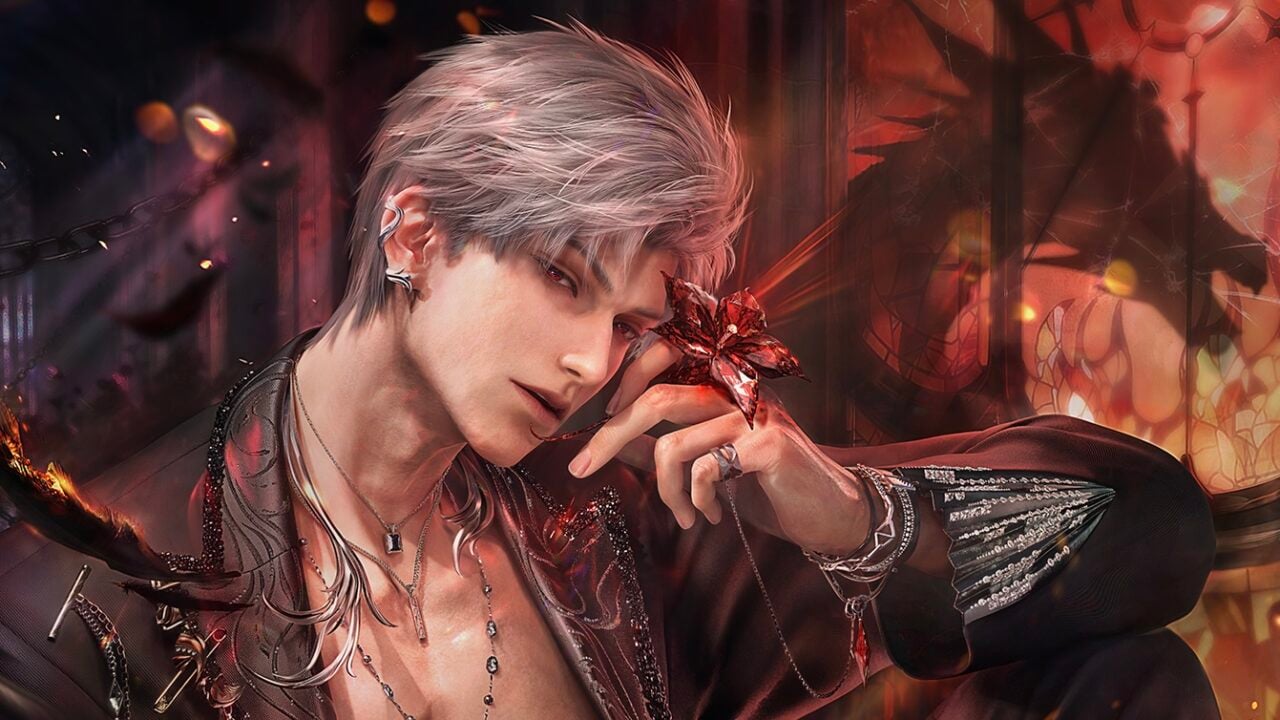
New paper finds U.S. players find emotional connection key to having fun In games like Love and Deepspace
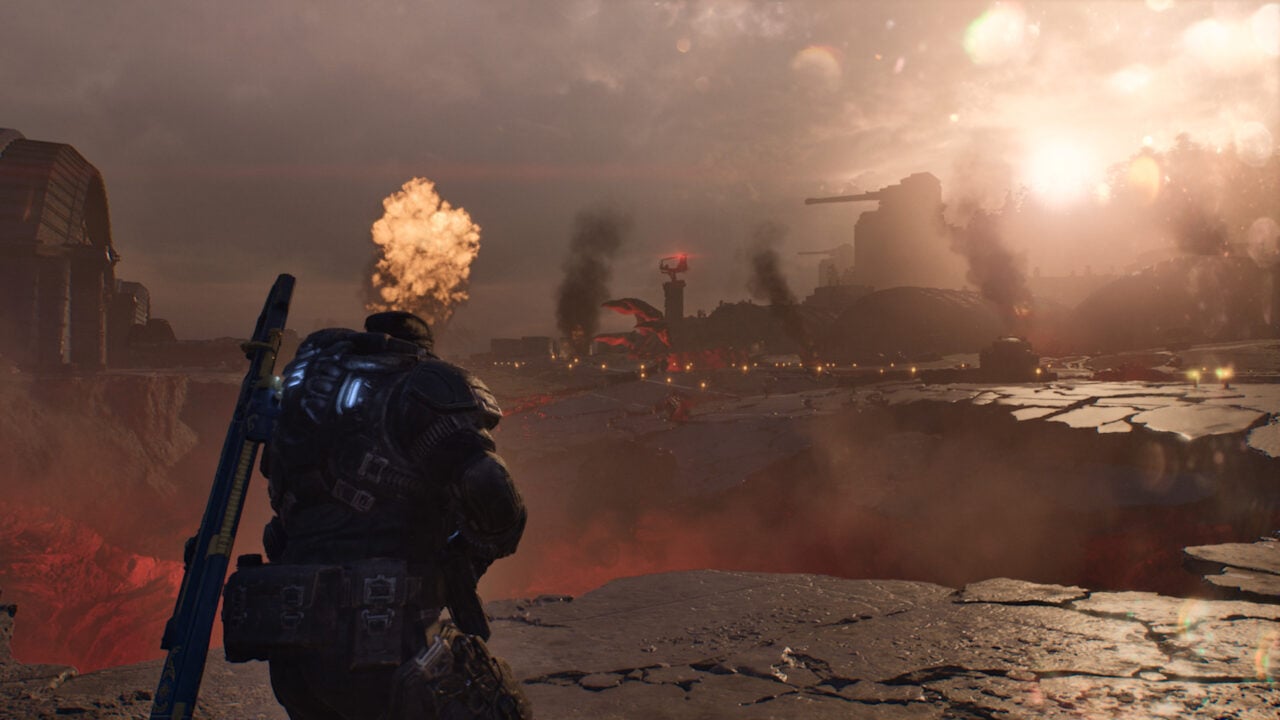
**Gears of War: E-Day – A Blend of Success and Struggle**
The eagerly awaited comeback of the *Gears of War* series with *Gears of War: E-Day* sparks enthusiasm among devoted fans following a seven-year break. This edition dazzles with remarkable graphics and thrilling gameplay, yet it grapples with problems in narrative and rhythm.
Set in the context of Emergence Day, 14 years before the original game’s events, *E-Day* immerses players in the turmoil as the Locust Horde rises from below the surface, causing chaos for humanity. This intricate world-building fuses gothic horror with baroque design, drawing players into a compelling story filled with suspense.
Early impressions of gameplay suggest that *E-Day* captures the essence of the franchise, especially through its cover-based combat mechanics. Navigating through elaborate environments—from crumbling cityscapes to expansive airfields—provides players with thrilling chances to partake in combat, utilizing new strategies like going prone for cover. However, this intense conflict is hindered by instances of annoyance due to lackluster enemy AI and noticeable performance shortcomings, particularly on the Xbox Series S.
Despite its vibrant visuals, the game stumbles in its storytelling. Characters like Marcus Fenix, Dominic Santiago, and newcomer Lucas Reyes lack the depth that might be desired; their interactions often seem shallow. The campaign’s open-world features, combined with optional tasks, can sometimes lead to an experience that feels repetitive, lacking significant narrative rewards.
As *E-Day* shifts between exciting set pieces and weak character development, players may experience a disconnection—a combat system that shines but a plot that fails to captivate. This initial evaluation of the roughly 14-hour campaign indicates a game balanced between strong combat mechanics and narrative flaws.
With the multiplayer aspect about to be released, it might add further depth, enhancing the overall experience of *Gears of War: E-Day*. For fans looking to reconnect with this cherished franchise, the game stands as a strong reminder of thrilling combat but leaves gaps for enhancement in its plot and pacing. Ultimately, while the battles are exhilarating, the quest for a unified and impactful gaming journey persists.
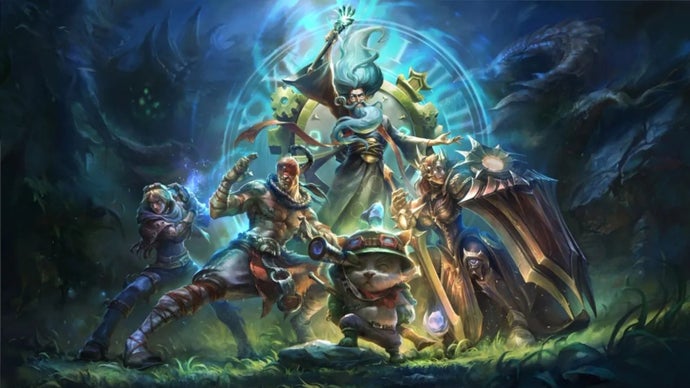
The classic mode rolled out in League of Legends earlier this year will cease to be a permanent addition once…
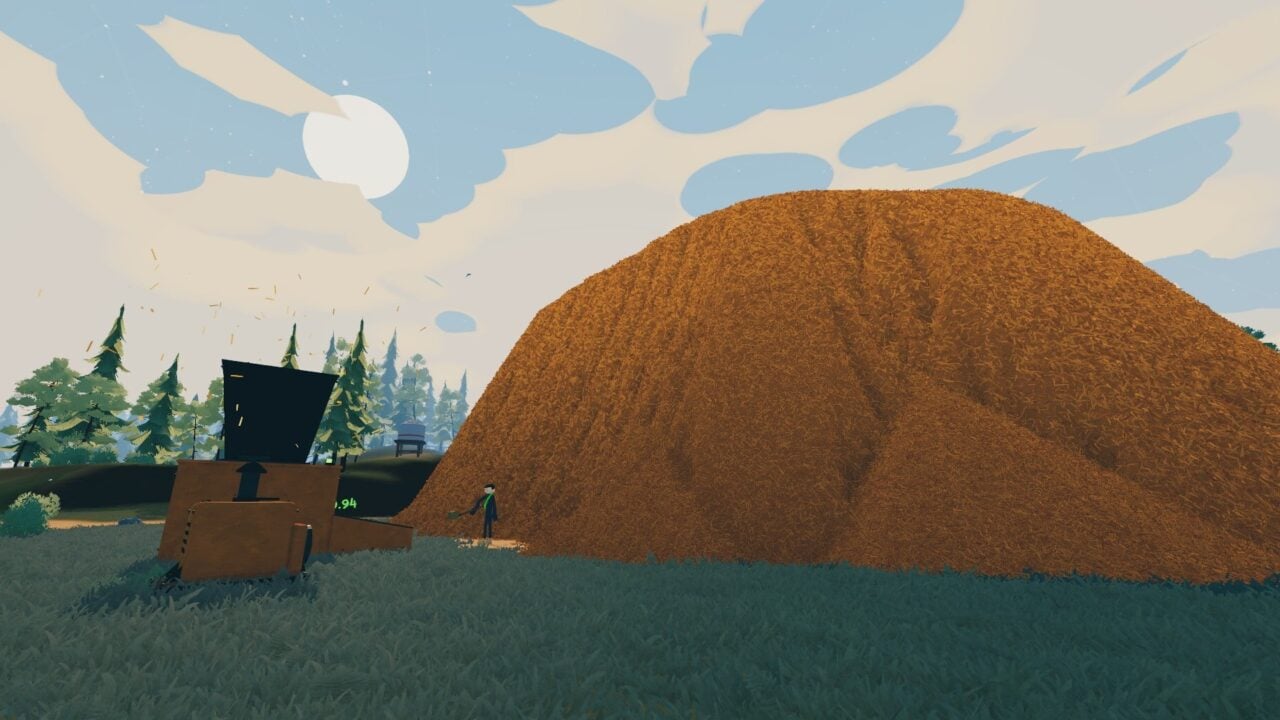
### The Debate Over Clones of “Needle In A Haystack”
The gaming world is currently caught up in a captivating debate concerning cloning and code replication among independent developers. The crux of the matter centers on various versions of a game named *Needle In A Haystack*, which is derived from the originally popular *Needle In A Haystack Simulator*. Noteworthy is the fact that the creators of one clone, NoGlyph, have recently claimed that another clone, *A Game About Needle In A Haystack* by Little Field Studios, has directly lifted their code, raising concerns about authenticity and creativity within the gaming community.
#### Overview of the Clones
The gaming environment has witnessed an influx of clones following the explosive popularity of *Needle In A Haystack Simulator*. After the game gained substantial buzz across social platforms in August, Steam users observed the swift emergence of similar titles such as *A Needle In a Haystack* and *Story of The Needle In a Haystack*. Currently, there are no fewer than fourteen clones of the original game available on Steam, with NoGlyph’s iteration making its debut on September 29.
#### The Claims of Code Theft
On October 17, NoGlyph highlighted serious issues regarding *A Game About Needle In A Haystack*, which had just been released a day earlier. According to NoGlyph, upon reviewing the game’s files, they found 13 classes within the game that had the same names as theirs, with a majority of the functions in that section aligning with their own code. Disturbing factors included certain error messages that were identical to NoGlyph’s work, indicating a concerning degree of code duplication.
Lead developer Jahvin from Little Field Studios acknowledged that their game featured 39 methods named exactly like those in NoGlyph’s code, asserting that they were “byte-for-byte identical.” This fueled further speculation about the potential application of sophisticated decompilation techniques, often supported by AI tools like Claude, which might enable developers to extract and reuse code from pre-existing games.
#### Community Responses
Interestingly, reactions from the gaming community have been varied. Some commentators noted the irony and “karma” in NoGlyph’s predicament, interpreting it as a result of their own dependency on Studio Bitdot’s original game for inspiration. Moreover, the idea of “vibe-coded” games—projects rapidly developed using existing works as templates—has ignited larger dialogues about originality and plagiarism in game design.
Beyond individual circumstances, this trend raises critical inquiries about the trajectory of indie gaming. As emphasized in multiple articles, the simplicity with which games can be cloned using AI has caused some developers to hold back on project announcements due to concerns over immediate imitation. For instance, Alliance Arts, the developers behind *Drunken Goddess Reflux*, chose not to unveil a demo, fearing it could result in quick clones that exploit their intellectual property.
#### The New Reality for Indie Games
The rise of clones and the ensuing legal and ethical dilemmas seem to be a new norm for indie game creators. Unlike large studios that possess the means to legally challenge infringement, indie developers frequently lack the capacity to safeguard their creations adequately. Consequently, many are anticipated to avoid offering demos or trailers—essential tools for marketing and community interaction—due to worries that such visibility might result in unauthorized copies.
In summary, the events surrounding *Needle In A Haystack* and its clones not only reveal vulnerabilities in the indie gaming landscape but also underscore the wider implications of AI-aided development and code sharing. As this narrative continues to evolve, it serves as a cautionary example of the delicate balance between inspiration, innovation, and integrity in the gaming realm.