Indie devs are facing tighter pricing pressures than ever
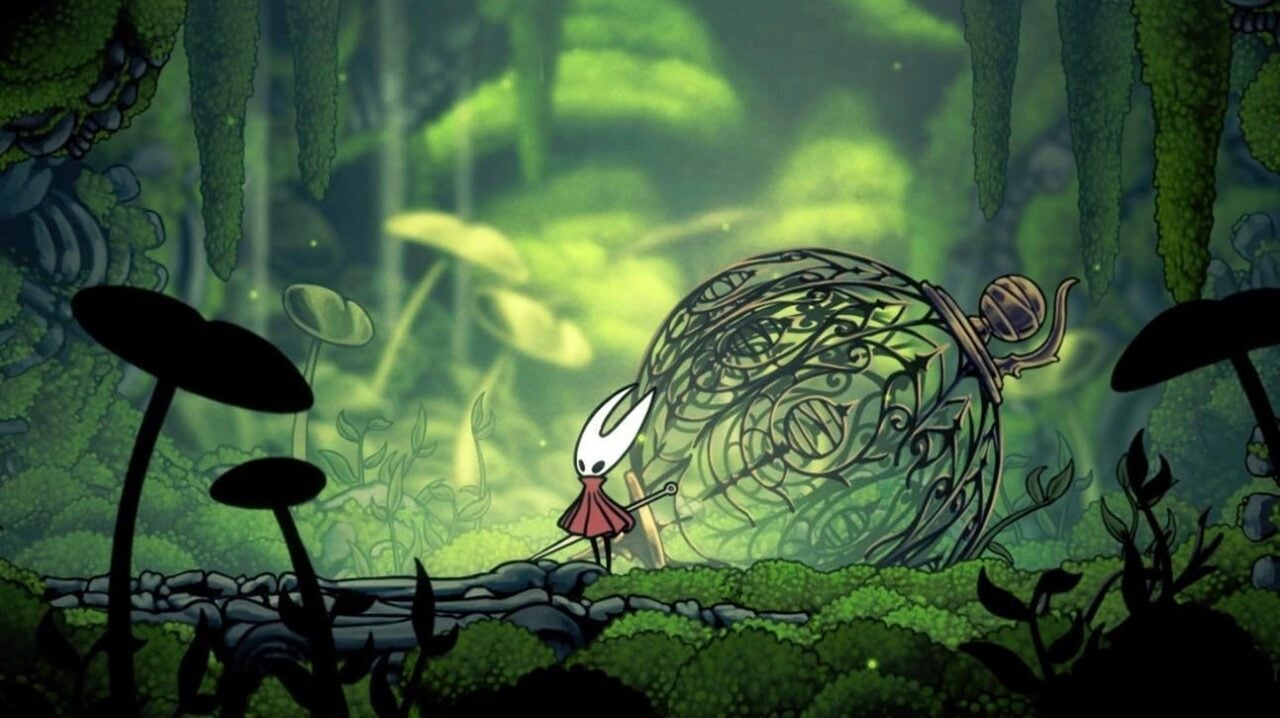
Steam Pricing Analyst Found Hollow Knight: Silksong’s $20 Price Annoying: ‘I Was A Bit Like, Oh God, Please Price It Higher’
Indie devs are facing tighter pricing pressures than ever
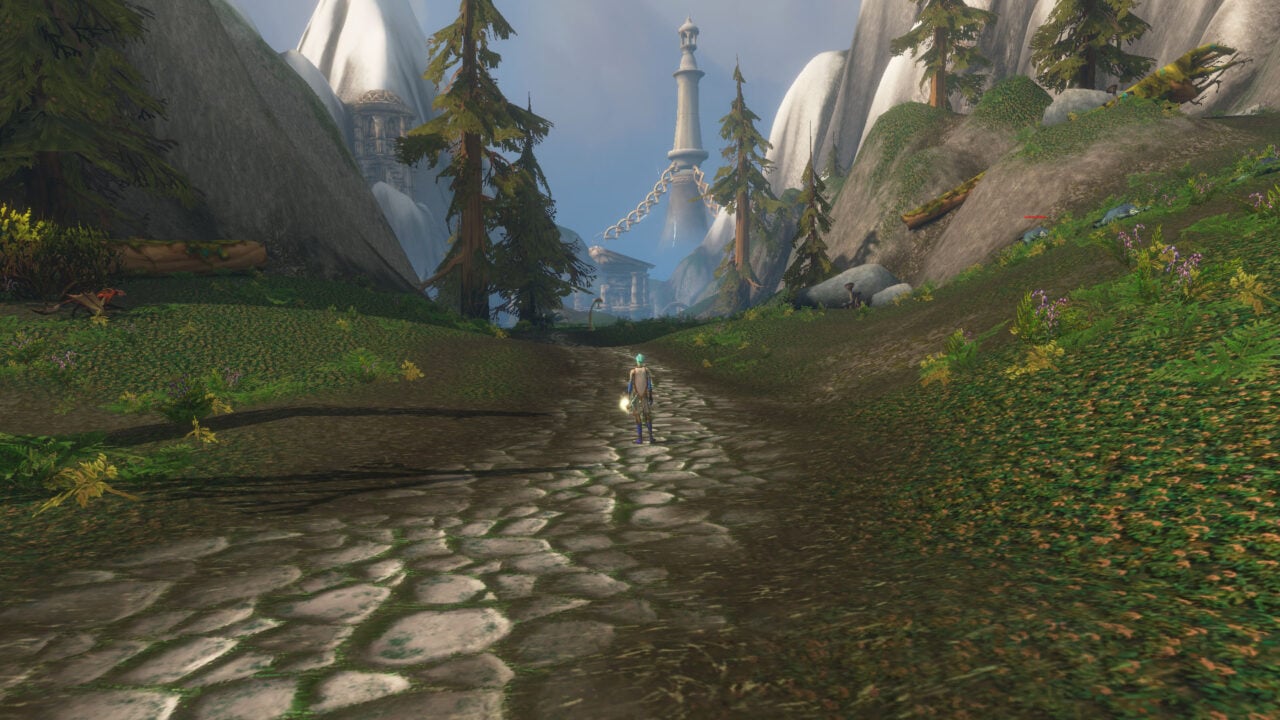
**Possible New Classes in World of Warcraft: Forever**
Blizzard Entertainment might be considering the inclusion of new classes in *World of Warcraft: Forever*, as suggested by a recent survey reportedly distributed to players via the Battle.net launcher. This survey, while lacking visual proof due to sharing limitations, has sparked significant enthusiasm within the community, especially since it features several long-requested classes that have never been part of the franchise before.
### Classes Highlighted in the Survey
From various players who took part in the survey, the following classes were noted:
1. **Demon Hunter** – A community favorite first seen in *Legion*, known for its agile combat style and demonic abilities.
2. **San’layn** – A vampiric class clad in plate armor, providing a distinctive look and gameplay mechanics centered around their blood magic and dark ancestry.
3. **Warden** – A tank and melee DPS class that may draw upon abilities reminiscent of the *Illidan* lore, though details are still unclear.
4. **Death Knight** – Present in retail versions since *Wrath of the Lich King*, potentially revamped for *Forever*.
5. **Necromancer** – A mage-type class concentrating on shadow and death skills, akin to Warlocks but with unique mechanics.
6. **Witch** – A ranged DPS and support class adept at buffing allies and casting powerful spells, including distinctive cauldron mechanics.
7. **Tinker** – A hybrid tank and ranged DPS class that utilizes mechanical constructs and healing resources.
8. **Metalborn/Runesmith** – A class referred to by various names that harnesses runic energy and metamorphoses into metal for attacks.
9. **Bard** – A support and healing class that uses musical spells to assist allies and weaken enemies, drawing on a cherished fantasy theme.
10. **Illusionist** – A ranged DPS class that employs illusions to trick adversaries and conjure allies.
11. **Monk** – Already present in retail, it may undergo changes for *Forever*.
### Community Feedback
The suggested classes have sparked a blend of excitement and doubt. Particularly, the potential introduction of several “support” roles, which are uncommon in both *WoW Classic* and *WoW: Forever*, has ignited conversations about the possibility of varied group compositions. Some players worry that Blizzard could make gameplay overly complex, resulting in balance challenges. Conversely, others contend that introducing support classes could revitalize group dynamics.
### Thoughts on Implementation
While the specifics about the survey’s existence and the seriousness of its implications remain unclear, a number of players wish for Blizzard to consider implementing at least some of these new classes. There is a strong desire for innovative and distinctive classes like the Tinker and Bard, which promise to deliver fresh gameplay experiences. The community appears less enthusiastic regarding reimagined versions of classes that already exist.
Ultimately, as players await updates from Blizzard, the buzz surrounding the potential new classes underscores the continuous passion and commitment to the *World of Warcraft* franchise. As conversations progress, fans remain optimistic for a groundbreaking evolution in gameplay that encapsulates the rich lore and diverse mechanics that have come to define the legendary MMORPG.
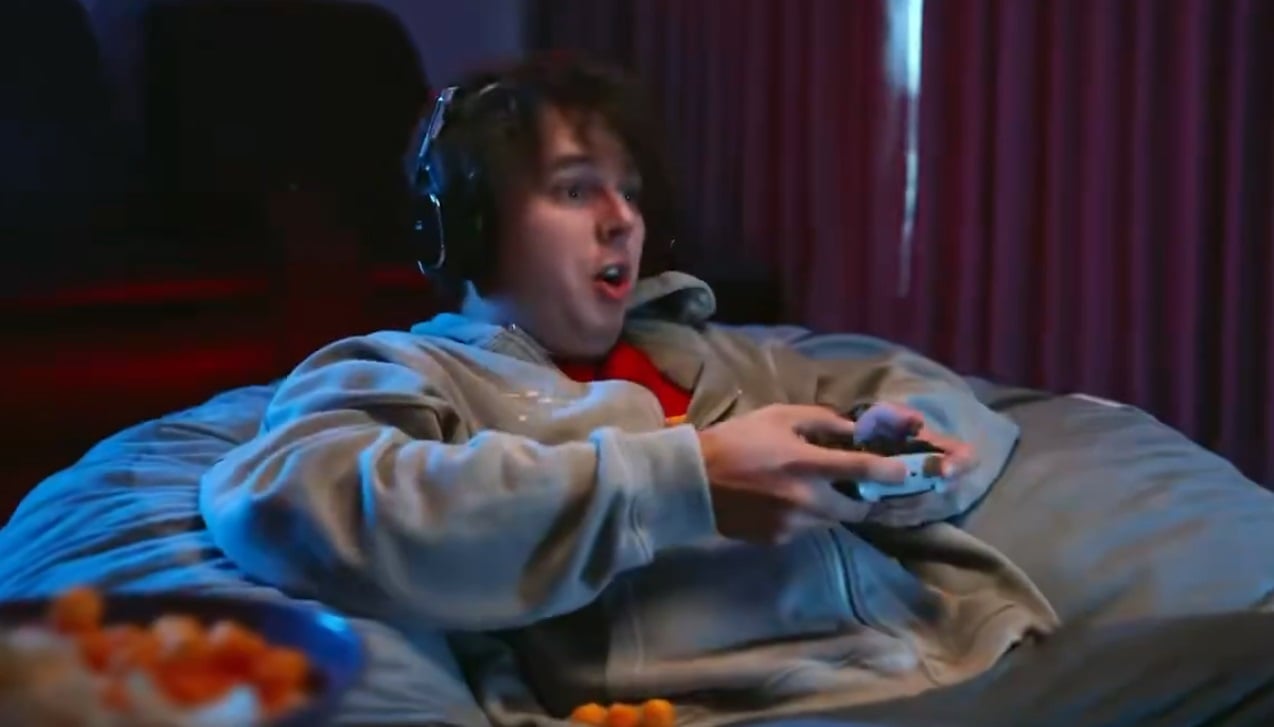
Arkansas Republicans are presently promoting new “welfare-to-work” regulations that would increase the challenges individuals face in accessing government aid for essential services like food and healthcare. As the 2026 election approaches, Governor Sarah Huckabee Sanders is employing a provocative narrative to convey this initiative to the electorate. She presents a fictional character named Brad, depicted as a lazy gamer who allegedly survives on government support while partaking in leisurely pastimes, especially gaming.
In a social media update from September 28, Sanders remarked, “You pay taxes to support welfare for those who simply choose not to work. That’s why I initiated a welfare-to-work mandate. If you’re young, healthy, and receiving government aid, you ought to work, attend school, or volunteer.” This assertion highlights the Tennessee native’s belief that government assistance should be paired with obligations, especially for individuals considered capable of entering the job market.
Accompanying Sanders’ message is a video representation of the character Brad, cast as a young man in a hoodie, idly lounging and playing video games while using a mechanical claw to munch on chips. This visual reinforces the stereotype of those misusing welfare systems by projecting an image of laziness and entitlement that politicians like Sanders seek to confront.
The idea of work mandates in welfare programs is often based on the notion that assistance should promote self-reliance and community involvement. However, critics contend that such mandates frequently hinder access to vital benefits for those in genuine need. Despite the well-meaning intentions behind these legislative alterations, the actual consequences often lead to exclusionary obstacles for deserving individuals requesting aid. This sentiment is echoed by numerous lawmakers and advocacy organizations who argue that constraints on programs such as Medicaid and SNAP have already made it challenging to navigate assistance for those experiencing economic difficulties.
Interestingly, while the GOP has traditionally opposed welfare expansion, there is a burgeoning recognition within the party of the potential electorate represented by young, online gamers. In recent times, young white males, particularly those dissatisfied with a stagnant economy, have emerged as a dependable support base for the GOP. Many of these individuals, involved in gaming and digital communities, have begun to adopt right-wing narratives, especially regarding cultural matters.
Despite appealing to this group, Republicans have ironically characterized the image of a 29-year-old gamer as an embodiment of welfare reliance. Some party members have contended that the GOP isn’t doing enough to attract dissatisfied cultural sentiments within this demographic, revealing a conflict between trying to win over young voters and utilizing negative stereotypes against welfare recipients.
The ongoing conversation surrounding welfare-to-work requirements continues to develop, particularly as the political environment changes in advance of Arkansas’ upcoming elections. With the introduction of figures like Brad, Sanders and other Republicans aspire to reshape public opinion, advocating for a system that encourages work while concurrently facing scrutiny regarding the broader effects of such policies on marginalized communities in need of support.
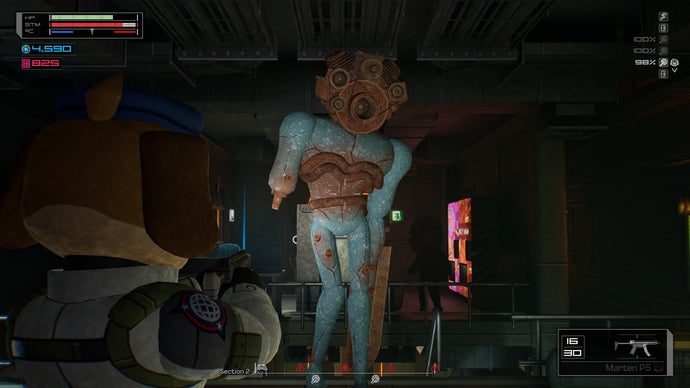
There’s been a wave of furry horror games with surprisingly elaborate tactical simulation elements, and when I say “wave”, I mean that I’m aware of two. One is Casualties: Unknown, a 2D misericore spelunking experience with an injury system so byzantine it took Oisin multiple paragraphs to work out how to die. The other, somewhat nicer game is Fright Train, a swish B-movie survival shooter in which you are a literal dog soldier, the magnificent Doug Barker.