I’ve spent far too much of my life covering the rampant ascent of AI. A juggernaut of tech development, destined to change the world into some sort of sci-fi utopia (if you believe its advocates) or fated to come crashing down around our ears, taking a large chunk of the world economy with it. Or the end of the world as we know it, according to some.
And now, the pillars upon which the AI revolution sits seem to be shaking beneath it. The most recent tremors began with the wobbling of US AI-led tech stocks in mid-October, after a similar descent in China earlier this year. Then at the end of the month, while many tech companies reported huge amounts of revenue in their quarterly financial results, some AI tech share prices still slid under a black cloud of investor doubt.
None more so than Alphabet, the owner of Google. A $500 billion wipe in stock price, led by the admission that the company’s own AI search features were eating into its ad revenue, rocked the market. A wider tech sell-off, fuelled by fears regarding the eventual profitability of AI and a potential upcoming Democrat victory in the US midterms, rattled the valuations of many AI tech companies—alongside the chip manufacturers sitting underneath them.
All this, of course, amid a backdrop of increasing AI-related concerns across multiple fields. Rogue AI agents. Increasing AI-powered cybersecurity incidents. Predictions of the end of civilisation, brought on by rampant AI development without proper oversight. Fears of job market ruination. AI psychosis. The list goes on.
Then, the so-called blue wave came to pass. Democrats won control of both the US House and the Senate. Such sweeping political changes can rarely be ascribed to a single factor, but US voter polling indicates that data center expansion was a key source of voter frustration. The current Republican administration has gone all in on AI, and much of the US public seems displeased at the idea of massive AI tech facilities springing up left, right, and center across the country.
Jensen Huang has hit the headlines over allegations surrounding his involvement with an alleged Chinese spy.
Trillions were wiped off US tech stock values as investors sold off increasing numbers of shares in tech companies, amid further fears that the great AI infrastructure buildout was about to be reigned in by political changes. Long-called-for regulation of AI and AI companies seemed—and indeed, still seems—ever more likely.
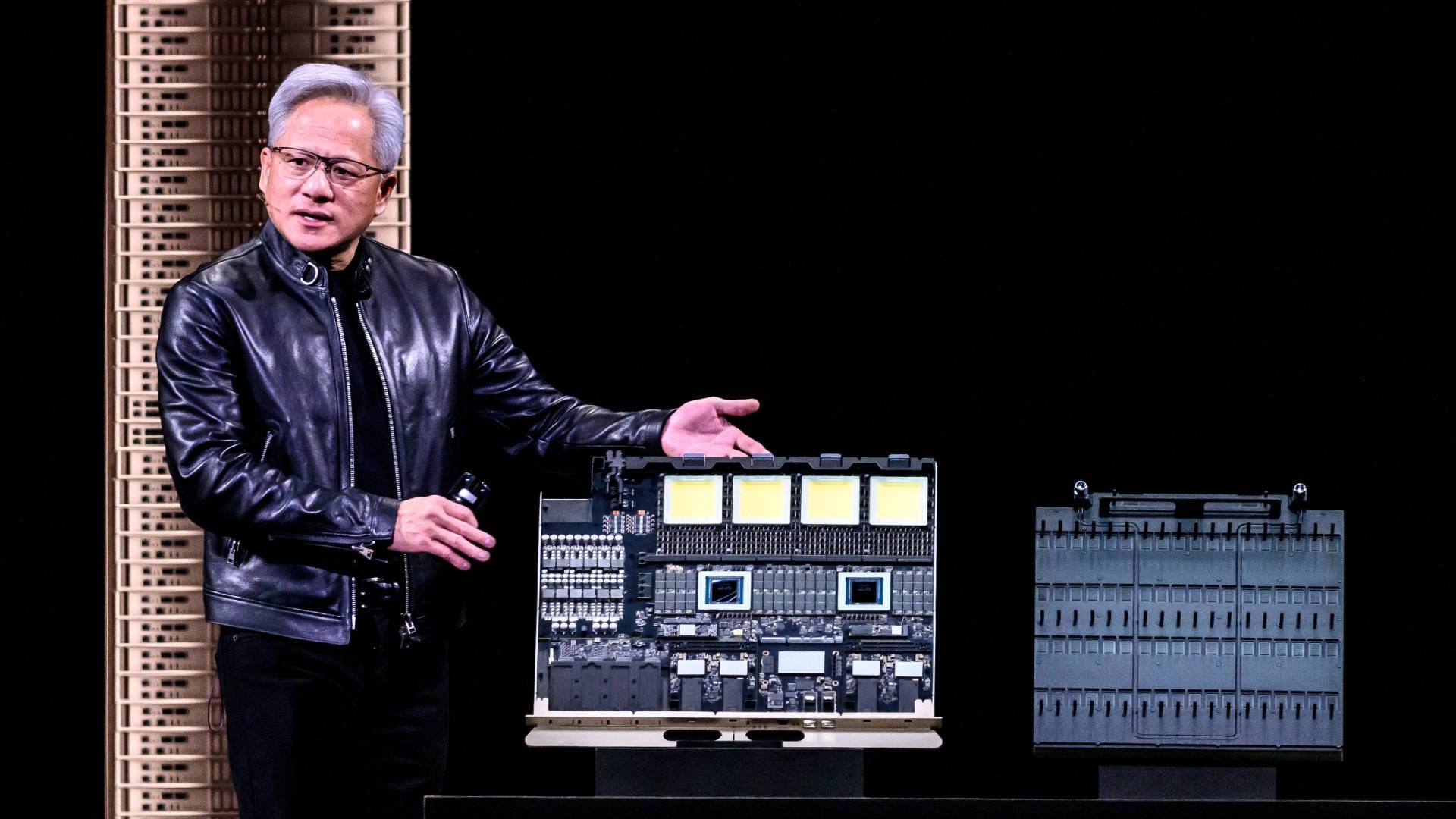
And now, Nvidia CEO Jensen Huang has hit the headlines over allegations surrounding his involvement with an alleged Chinese spy. At first, it was reported that Alice Huang (no relation) had a “close relationship” with the Nvidia chief.
Now, Jensen Huang has himself admitted that the two were engaged in an affair, and Nvidia has launched an internal investigation into concerns related to national security. The timing could not be worse for the US tech market. At the time of writing, Nvidia’s share value has sunk in pre-market trading.
The company is, in many ways, the backbone of the AI revolution, the chief provider of the chips behind the sweeping AI rollout that has changed the tech landscape over the past few years, and the creator of the CUDA platform that underpins it. Huang is its charismatic leader, the relentless optimist behind this AI-led future we’re supposedly about to enjoy. A scandal at this stage is likely the last thing any tech investor wants to see.
So, what now? While the long-mooted AI bubble burst has yet to materialise in full, it’s certainly looking like the relentless “all the money in the world” optimism phase is coming to an end. Investors are shaken, with worries about long-term profitability continuing to eat into the market, alongside US national security concerns now dominating the headlines.
The train with no brakes is rocking wildly against the tracks—and unfortunately, given AI and big tech’s role in the global economy, we’re all stuck in the carriages behind it.
The relentless “all the money in the world” optimism phase is coming to an end.
I’m no economist. I can’t tell you if this is the beginning of the AI bubble pop, or whether this is merely an extremely turbulent time in the AI success story. Certainly, it seems like the horse has already bolted, and that AI is here to stay in some form or fashion. Those hoping for a return to the good old, pre-AI days are almost certain to be disappointed.
But, having reported on so many “AI doomsayers” over the past few years, I can tell you that a fall from grace has been predicted by many. Such a massive, world-changing technological development, fuelled by seemingly impossible amounts of investment, has always seemed destined to face some sort of financial reckoning.
That reckoning, I believe, has never looked closer. May you live in interesting times, as the old saying goes. And what happens next? Well, it’s going to be interesting, at the very least.