Uncategorized

Crimson Desert Developers Recognize Error in Failing to Reveal AI-Created Art and Commence Deletion Procedure

### The Debut of **Crimson Desert**: A Combination of Achievement and Debate

The much-awaited Korean open-world fantasy title **Crimson Desert**, crafted by Pearl Abyss, has made a substantial impression since its release, attaining impressive sales numbers. Nevertheless, the game’s launch has faced its fair share of hurdles, particularly regarding the incorporation of AI-generated artwork.

#### Visual Ambitions and Unexpected Backlash

Central to Crimson Desert’s draw is its state-of-the-art graphics and high-quality visuals. Players anticipated a stunningly immersive aesthetic journey. Regrettably, their enthusiasm was tempered when news emerged of AI-generated visuals scattered throughout the game. These illustrations, intended to enrich the game world, instead sparked confusion and disappointment among the community.

Instances of the AI-generated imagery included in-game artworks that purportedly imitate historical styles yet appeared poorly crafted, exhibiting apparent flaws such as warped anatomy and problematic stereotypes. This scenario elicited a prompt reaction from Pearl Abyss.

#### Developer’s Apology and Dedication to Enhancement

In light of the criticism, the official **Crimson Desert** account released a public apology on X (formerly Twitter), admitting the error in not adequately revealing the role of AI in their development process. They expressed: “We are currently undertaking a thorough review of all in-game assets and will be taking measures to substitute any impacted content,” assuring that updates would be implemented in future patches. The development team also highlighted their goal to improve transparency and consistency in their interactions with players.

Pearl Abyss clarified that these AI-generated 2D visual elements were originally part of the early design phases. Their aim was to assist in swiftly exploring tone and atmosphere but was always intended to be substituted with artwork that aligned with their set quality benchmarks and creative vision.

#### The Escalating Debate Around AI in Game Development

The uproar surrounding **Crimson Desert** has ignited a wider conversation about the employment of AI in the gaming sector. As AI-generated assets gain traction among major developers, many contend that depending on these tools for temporary elements can result in undesirable outcomes. Detractors argue that clear indicators distinguishing an asset as a placeholder—such as vibrant, attention-catching colors or labels—are more manageable compared to subtly flawed items that blend into the final product.

This event highlights a rising concern within the gaming community regarding authenticity and quality control in asset production. Developers are increasingly pressured to ensure that player experiences remain uncompromised by hastily implemented technology.

#### Additional Challenges and Developer Reaction

The debate over AI is merely one of the challenges Pearl Abyss has encountered since the game’s release. Players have voiced their dissatisfaction with **Crimson Desert**’s control setup, which has also led the developer to pledge to address and rectify the control issues promptly.

As **Crimson Desert** enchants players with its vast landscape and ambitious design, the future for Pearl Abyss will be crucial. Their responsiveness to community input and commitment to resolving these pressing issues will significantly influence the game’s reputation and aid in restoring player confidence moving forward.

Uncategorized

Mario Kart Tour Obtains 18+ Rating in Some Areas Following Regulatory Measures on In-Game Gambling

**Major Alterations in Game Rating Frameworks: A Synopsis of PEGI’s Revised Directives**

Recently, the Pan-European Game Information (PEGI) rating framework unveiled essential revisions to its directives for evaluating video games. Acknowledged for its function in providing age classifications based on content, PEGI’s newly established standards mirror a heightened awareness of the modern gaming environment, which encompasses online player dynamics, manipulative design strategies, and monetization methods such as loot boxes. This initiative arises amid rising scrutiny of game monetization approaches that could take advantage of players, particularly younger demographics.

### Updated PEGI Directives

PEGI’s revised evaluation standards aim to address more advanced game design trends that have surfaced in recent times. Key aspects of emphasis include:

– **Online Player Dynamics**: Evaluation of how games foster interaction among players, particularly in competitive settings.
– **Manipulative Design**: Acknowledgment of design tactics that coerce players into constant engagement, affecting their gaming experience.
– **Randomized Transactions**: Assessment of games that incorporate loot boxes and comparable systems, which can influence spending behaviors, particularly among younger audiences.

These modifications could profoundly impact how widely played games are categorized. With numerous titles presently promoted as “suitable for all,” fresh evaluations may lead to a more age-appropriate classification based on their financial strategies and engagement mechanisms.

### ESRB’s Reaction

In light of PEGI’s amendments, the Entertainment Software Rating Board (ESRB) in North America voiced concerns that implementing these new directives might lead to “confusion” for both players and guardians. An ESRB spokesperson clarified that the organization determines its age and content rating exclusively based on the game’s content and its presentation context, excluding external factors. This crucial distinction emphasizes the ongoing discussion regarding the role of rating frameworks in shielding young players from potential manipulative components in video games.

### Consequences for Game Classification

Notable titles like *EA Sports FC*, which rely on a business model founded on randomized card packs, are poised to experience increased scrutiny under the revised PEGI guidelines. Likewise, games such as *Roblox*, which are extremely popular among children, have garnered attention for their online settings that could expose players to dangers.

Even games typically not linked with exploitative monetization, such as *Animal Crossing*, *Pokémon Pokopia*, and *Clash of Clans*, might be influenced. For instance, *Pokopia* has already witnessed its age rating transition from 3+ to 7+, highlighting its design that promotes ongoing engagement rather than breaks, a concept now classified under PEGI’s “play-by-appointment” category.

### Regulatory Consequences

Although PEGI has stated it will not retroactively alter the classification of existing games, it suggested that live service titles could be subjected to further examination as new standards are enforced. Dirk Bosmans, PEGI’s director, acknowledged the difficulties of merging content and contextual elements into age ratings without overwhelming parents with information.

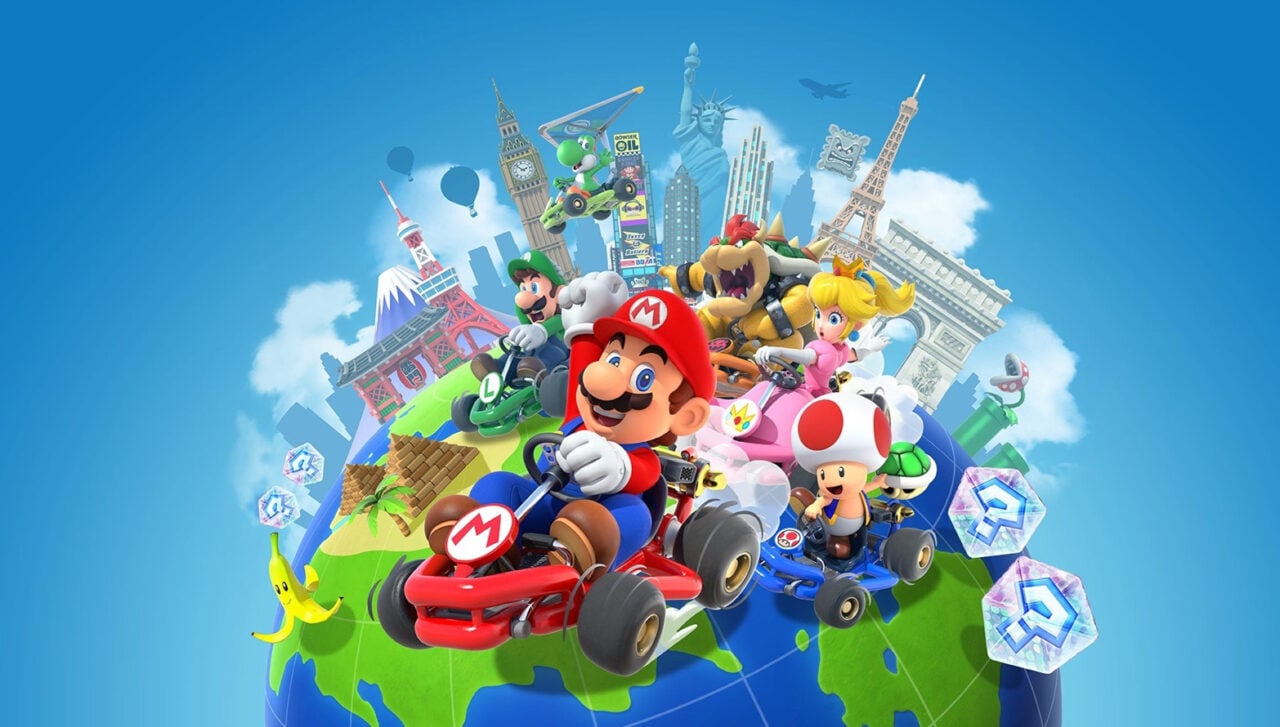
Worldwide, regulatory actions against manipulative gaming strategies are also on the rise. A notable instance occurred in Brazil, where the mobile game *Mario Kart Tour* was re-rated to 18+ due to its use of gacha mechanics that can lead to significant spending on microtransactions without ensuring rewards.

### The Wider Context of Age Classifications

Though age classifications on video games may appear trivial to some, the changing gaming landscape highlights the significance of comprehending these classifications. As nations in Europe and the UK deliberate over stricter regulations regarding digital interactions involving minors, the importance of these ratings could grow.

Parents should stay alert, particularly regarding games that utilize slot machine-like item drops or penalize breaks. As the industry continues to address ethical concerns in game design and monetization, the ramifications of these rating systems may extend beyond simple content classification, shaping how families engage with gaming as a whole.

In a time when gambling elements permeate the gaming world, recognizing and adapting to these rating modifications is crucial for protecting young players from potentially harmful design strategies.

Uncategorized

RPS Review: Anime Racing Game Screamer Achieves Success with Vibrant and Unique Driving Mechanics

Ed (RPS in peace) has, finally, posthumously, got his wish: another Screamer. This one’s gone all cyberpunk and/or anime-styled, with a heavy focus on story – it follows multiple, multinational merc-drivers entering a lightly murderous racing tournament – but can it still deliver on drifty driving thrills? After much practice, Mark and James both avoided clattering into the track barriers long enough to find out.

Read more

Uncategorized

Weekly Analysis of Sunday Newspaper Highlights

Sundays are for waking up in a Holiday Inn and finding that the breakfast buffet hash browns are glued to the bottom of the serving pan. Tarnation! I bellow like an enraged thunder god, like Vesuvius at full bloom, and stab the tray wildly with my knife and fork. I am dragged away by heavyset teenagers, who are about to heave me into the canal when I protest that I haven’t yet finished writing the weekly Sunday Papers article for prominent videogame website Rock Paper Shotgun. Shocked, the outsized urchins release me, and I scurry back to my typing desk with a mugful of baked beans. I’ll be back for those hash browns. I will have my vengeance.

Read more

Uncategorized

Yoshi-P Suggests Kids Are Losing Interest in Final Fantasy Due to Delayed Releases

Last month, a post caught some kind of virus and did the rounds, pondering why kids don’t care about Final Fantasy or Dragon Quest so much anymore, wondering what they do plan now, and anecdotally findering that most of them just play Pokemon. And I truly have to wonder if Final Fantasy 14 producer Naoki “Yoshi-P” Yoshida saw said post, given that in a recent bout of interviews with several key Final Fantasy figureheads in preparation for the next Dissidia game, he himself flat out acknowledged that the youths these days don’t care as much because of the series’ infrequent release schedule.

Read more

Uncategorized

Minecraft World: Upcoming Theme Park With Roller Coaster Scheduled to Launch in 2027

**Mojang Studios and Merlin Entertainment Partner to Launch Minecraft World Theme Park**

Mojang Studios, the innovative team behind the hugely successful video game *Minecraft*, has teamed up with Merlin Entertainment to create an official *Minecraft* theme park, aptly named Minecraft World. This thrilling announcement was made during the latest Minecraft Live event, sparking excitement among enthusiasts of the franchise. Tentatively slated to open in 2027, Minecraft World will be part of the existing Chessington World of Adventures theme park situated in Greater London.

The financial backing for this ambitious endeavor is estimated to be around £50 million (roughly $70 million). As per an official statement from Merlin Entertainment, Minecraft World will showcase a diverse array of attractions, including a groundbreaking *Minecraft* roller coaster, branded retail shops, dining options, and a collection of beloved features from the *Minecraft* universe that are set to provide a memorable experience for guests.

Although the theme park is in its planning phase, conceptual images shared in a recent press statement hint at a creative vision for its design. Merlin Entertainment has pledged to work closely with a select group of prominent *Minecraft* creators to guarantee an authentic portrayal of the *Minecraft* universe, although details regarding these creators have not yet been revealed.

Minecraft World signifies a key moment in the development of gaming-themed attractions, as it stands out not only as the inaugural official *Minecraft* theme park but also as the first video game theme park based on a recognized intellectual property to launch in the United Kingdom. This comes after the successful openings of other gaming-themed parks, such as PokéPark Kanto in Japan and Super Nintendo World at Universal Studios in Orlando.

While preferences for gaming franchises in theme parks may differ—some fans voicing a wish for *Pokémon* or *Mario*-themed parks—there is no denying that Minecraft World is creating buzz among British fans. Nevertheless, concerns about potential congestion around the M25 highway during the park’s debut, particularly if it aligns with the expected launch of the second *Minecraft* movie, point to logistical challenges in the future.

In conclusion, Minecraft World holds the promise of being a transformative addition to the theme park landscape, merging the captivating realm of *Minecraft* with engaging experiences, themed attractions, and community involvement, setting the stage for a new era of interactive entertainment.

Uncategorized

Exploring Themes of Deconstruction and Self-Creation in the Physics-Based Dice-Rolling Roguelike DeeSicks: “God is Dead and I am a Bullet Hell Boss of My Own Making”

I’m going to say it: bullet hells are more stressful than Souls-likes. Why are there 10,000 orbs approaching me, promising me misery and death! And I have to both tactfully dodge them while also staging a front myself? The visual information alone is enough to deteriorate the mind, memorising a list of attack patterns from some big dude with a sword seems like chump change by comparison. So this leaves me quite sweet on DeeSicks, a roguelike take on the game with physics-based dice rolling where god has died and you become your own boss.

Read more

Uncategorized

“Marathon’s Final Dungeon Provides a Distinct Experience for Gamers”

**Cryo Archive: The Apex of Challenges in Marathon’s End-Game Map**

Cryo Archive has fascinated the gaming community, especially among *Marathon* fans, who portray the end-game map as an exceptionally complex and demanding adventure. Distinguished as having “brilliant design” and hailed as the “most intricate extraction shooter map ever,” it has built a reputation that resonates with the challenges typically encountered in *Dark Souls* games, prompting some to refer to it as the “soulslike of shooters.” The intense reactions demonstrate how the map transcends traditional multiplayer experiences, showcasing a pursuit that merges cooperation and competition.

**Exploring the Cryo Archive**

Situated aboard the UESC Marathon, players must tackle the daunting challenge of looting the upper deck of a deserted colony ship. The layout resembles a maze filled with cryopods, medical bays, and storage units arranged in a spoke-like formation. Players begin their expedition at one of the outer spokes, scavenging for security clearance tags up to level 5, which are necessary for gaining access to more secure sections of the map.

Players navigate an environment that requires a balance of teamwork and aggression. While groups may join forces to solve puzzles or confront common foes, they are always cautious of one another, with the risk of betrayal looming as they compete for precious loot.

**Vaults and Individual Challenges**

The Cryo Archive features seven unique vaults, each safeguarded by specific challenges that necessitate varied strategies for entry. Players must obtain particular keys to unlock these vaults, characterized by a low drop rate and exclusive to each vault, ensuring no mixing of keys. In addition to high-value loot, each vault contains a subroutine that may not appear in every run, introducing an element of unpredictability to the already tough mission.

Only after surmounting the challenges in the first six vaults can players reach the hidden seventh vault, where the infamous boss known as The Compiler awaits, along with even rarer rewards. Early reports suggest that defeating The Compiler demands profound teamwork and strategic thinking reminiscent of experiences found in *Destiny 2* raids, but the challenge intensifies due to extraction mechanics requiring players to escape once the boss encounter concludes.

**Community Reception and Future Challenges**

Notably, the first successful completion of The Compiler battle took players an astonishing 12 hours, highlighting the dedication necessary to conquer this complex challenge. The excitement among early participants has led to praise, with many labeling Cryo Archive a work of art and a profound exploration of gaming mastery. However, as players share tactics and refine their methods, the duration needed to complete these challenges is likely to lessen.

The rigorous design of Cryo Archive brings up concerns about its long-term allure. While the initial reception is largely favorable, worries surface regarding the level of randomness embedded in the gameplay mechanics, such as obtaining keys and subroutines, which may lead to grinding experiences that could diminish enthusiasm once the initial excitement wanes.

In addition, the PVP elements within Cryo Archive pose possible balancing challenges. As players participate in confrontations, the current effectiveness of grenades and shotguns might restrict varied strategic options, raising questions about promoting different styles of gameplay.

**Conclusion**

In the end, Cryo Archive seems to be crafted to captivate ardent *Marathon* fans, showcasing Bungie’s ambition to create a distinctive and challenging gaming experience. Nevertheless, the balance of sustaining engagement from both dedicated enthusiasts and newcomers may determine the long-term viability of this intricate and compelling end-game map. With the extraction shooter genre continuing to evolve, the hallmark features of Cryo Archive emphasize the potential for future innovations in multiplayer design.

Uncategorized

Pocketpair Shows Limited Interest in Expanding Palworld into a Media Empire Despite Upcoming Spin-Offs

Palworld has honestly lived, and thrived, a lot longer than I honestly expected to. I guess the people really do want Pokemon with guns! As since its launch two years ago (ignore the coffee I’ve spat over my screen at that passage of time), there have been announcements for spin-offs in the form of Stardew Valley if it were Pokemon but actually it’s Palworld, a dating sim that started as a joke but will now be real, and more recently, a card game. Despite all of that expansion, however, developer Pocketpair say they have “no desire to be a media empire.”

Read more