**The Evolving Landscape of Role-Playing Games: A Focus on Final Fantasy’s Appeal to Younger Audiences**
In recent discussions among gaming communities, a recurring theme has emerged regarding the waning interest of younger players in iconic franchises like Final Fantasy and Dragon Quest. A post circulating recently sparked a dialogue about why children today seem less captivated by these esteemed titles, with many gravitating instead towards the Pokémon series. This observation has been echoed by prominent figures within the industry, notably Naoki “Yoshi-P” Yoshida, the producer of Final Fantasy XIV. In a series of interviews related to the upcoming game, Dissidia Duellum, Yoshida candidly acknowledged a significant generational divide in gaming preferences and engagement.
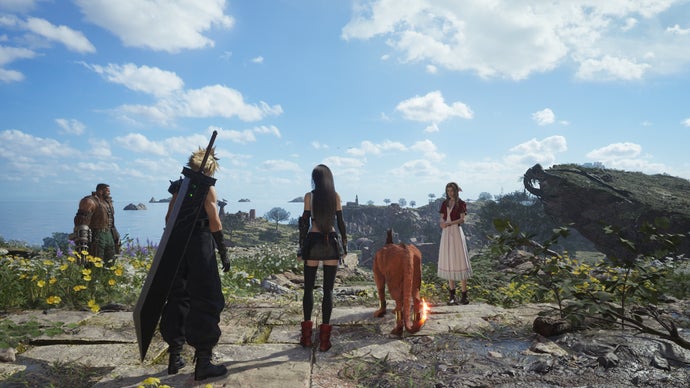
Yoshida, who has been an avid player of the Final Fantasy series since its inception, pointed out that the franchise’s sporadic release schedule has contributed to younger players’ detachment. “For younger generations… the recent entries in the series may have been harder to engage with,” he remarked. The gap between major releases, with Final Fantasy XVI having been released three years ago and Final Fantasy XV arriving seven years earlier, has undoubtedly created a disconnect. The earlier installments, spanning from Final Fantasy I to X over just 14 years, allowed for a more gradual and sustained engagement with the series, fostering a deeper connection for players during their formative years.
The shift in gaming culture is palpable. Today’s youth are immersed in experiences characterized by fast-paced, action-oriented gameplay and competitive online environments. The rise of titles like Genshin Impact represents a departure from traditional role-playing games (RPGs) toward a model that emphasizes free-to-play mechanics and extensive fan service. This aesthetic and approach resonate more with contemporary players, likely influencing their preferences and the way they interact with RPGs.
As a strategic response, Yoshida expressed hopes that Dissidia Duellum could serve as a platform for younger fans to form communities around familiar characters, thereby re-establishing a connection with the broader Final Fantasy universe. This kind of community-building initiative could act as a bridge, enticing younger gamers back to traditional narratives and gameplay mechanics that the franchise is known for.
Despite these aspirations, there are logistical challenges. Currently, the decision to limit Dissidia Duellum’s availability on PC—despite Square Enix’s overarching multiplatform strategy—may hinder its accessibility and appeal. This constraint could further alienate a demographic that thrives within the PC gaming ecosystem, making it imperative for Square Enix to consider broader outreach and engagement strategies.
In conclusion, while the Final Fantasy series continues to bear the weight of its legacy, the shifting paradigms of gaming demand a reevaluation of how these beloved franchises engage with newer generations. By understanding the evolving preferences of younger players and adapting to the landscape of contemporary gaming, there remains potential for revitalizing interest in classic series like Final Fantasy.