On Friday, the United States Supreme Court ruled against most of President Donald Trump’s tariffs, especially those implemented under the 1977 International Emergency Economic Powers Act (IEEPA), which the court found unconstitutional. These tariffs, enacted in 2025, not only represented a contentious legal strategy but also had considerable economic repercussions, such as delays in video game console pre-orders and higher prices for gaming hardware.
In a 6-3 split decision, the Supreme Court concluded that President Trump’s utilization of the IEEPA to enforce tariffs lacked congressional authorization, as indicated by Chief Justice John Roberts in the majority opinion. He contended that the wording of the IEEPA does not grant the president the authority to unilaterally impose tariffs. This ruling marks a significant disadvantage for Trump, underscoring the boundaries of presidential powers related to trade and tariffs.
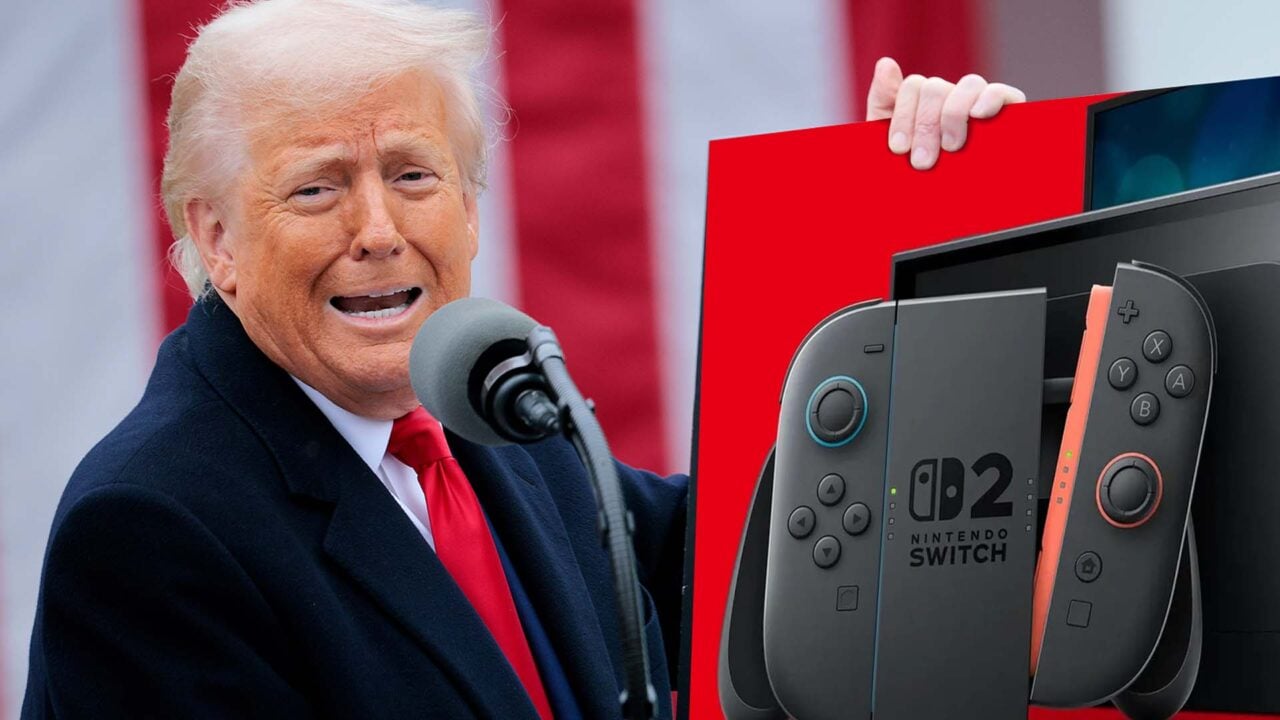
The tariffs impacted a range of consumer products, especially electronics, leading to significant effects on the gaming sector. For example, the eagerly awaited release of Nintendo’s Switch 2 experienced delays owing to the ambiguity surrounding these tariffs. Nintendo revealed that pre-orders originally set for April 9, 2025, would be postponed to evaluate the potential influence of tariffs on the market. Thankfully, the project’s launch date remains the same for the time being.
Furthermore, the enforcement of these tariffs resulted in price hikes not only for new gaming consoles but also for accessories. Companies like Sony and Microsoft modified their prices, in line with Nintendo’s reaction to rising costs triggered by tariffs on components sourced from countries such as China and Canada. In August, Nintendo quietly increased the prices of various Switch accessories and previous console models, mirroring the broader trend of rising hardware prices related to trade policies.
Despite the recent ruling from the Supreme Court, it remains uncertain if this will result in lower gaming hardware prices. President Trump has various legal options he could pursue to try to restore these tariffs. Even if he encounters obstacles in this regard, wider economic pressures, such as a persistent memory shortage driven by growing demands from AI sectors, are likely to keep pushing gaming prices higher.
In summary, while the Supreme Court’s ruling signifies a notable legal triumph against Trump’s tariffs, the effects for the gaming industry and consumers are still in a state of flux. The possibility of reinstating tariffs through different legal pathways remains, and prevailing economic conditions may continue to contribute to rising prices in the gaming marketplace.