Uncategorized

Marvel Rivals Developers Explain Purpose Behind ‘Gooner’ Skins: “We Did Not Intend to Create That Content”

**Marvel Rivals: A Year of Development and Community Participation**

It has been more than a year since NetEase introduced the hero shooter *Marvel Rivals*, and the game has experienced a rise in popularity, drawing in a loyal fanbase. Recently, NetEase held a fan gathering at the El Capitan Theater in Los Angeles, CA, showcasing new skins and limited-time modes inspired by the Marvel Cinematic Universe (MCU), especially the forthcoming film *Avengers Doomsday*.

In a group discussion, Yachen Bian, the lead for publishing and marketing, alongside Guangguang, the creative director, talked about the lively community, the present condition of the game, and insights into their creative workflows. Guangguang has become the unofficial face of the game, well-known for his signature greeting, “Hello everyone, Guangguang here,” which appears in development videos on the official *Marvel Rivals* YouTube channel. Notably, this memorable phrase surfaced unexpectedly during the initial development talks meant to present their work to the community.

Since its launch, *Marvel Rivals* has steadily increased its content, unveiling at least two new heroes and one map each season. To keep up this momentum, the development team frequently plans a year in advance, with much of the roadmap for 2027 already finalized. As a result, new gameplay dynamics have emerged, such as a community conspiracy theory suggesting that some characters are intentionally overpowered for enhanced engagement. Bian explained that such balancing challenges occur organically and are not the result of any intentional design choice.

One effective technique for evaluating new mechanics is through the launch of limited-time modes. The *Marvel Zombies* mode previously enabled players to experience the game from a different perspective, featuring characters like Blade and Jeff the Land Shark. Building on this framework, the upcoming *Path To Doomsday* events will recreate iconic moments from the *Avengers* films, starting with a scenario from the first *Avengers* movie, where players will have the opportunity to face off against Loki, equipped with distinct abilities.

As the game continues to introduce new heroes — now totaling 47 — Guangguang believes that adding characters will not become excessive. The community actively desires more heroes, ensuring that the game remains in line with the comic-book experience that players yearn for.

For live-service games, consistent content delivery is vital. A lack of this can lead to player dissatisfaction and, ultimately, a game’s downfall. Bian stressed that the team prioritizes the community’s wishes over competitive metrics, aiming to cultivate meaningful connections with players.

Another element strengthening community bonds is the playful nature of the game’s skins. Characters like Emma Frost and Mantis showcase skins that highlight their charm, which has also led to the rise of a certain type of adult content. Regarding this, Bian humorously acknowledged the presence of “gooner content,” clarifying that while certain designs cater to niche audiences, the primary focus remains on providing an authentic Marvel experience. The team endeavors to balance creative freedom with player feedback, staying true to their philosophy of engagement.

However, the enthusiasm of the fans can sometimes lead to controversy, as evidenced by a recent uproar regarding a $40,000 content creator tournament. Bian noted that the emotional investment players have in the game can yield both positive and negative outcomes. The team’s dedication revolves around serving all players while maintaining health within the community, stepping in only when needed to uphold a respectful atmosphere.

*Marvel Rivals* has undeniably established a distinct presence within the gaming sphere. With ongoing content updates and thrilling community events, it captures the interest of players, both newcomers and returning fans. For those looking to explore or reconnect with the game, the ongoing MCU tie-in events offer a timely opportunity. The game remains free-to-play and is accessible on PC, PlayStation 4, PlayStation 5, and Xbox Series X|S, appealing to a wide audience.

Uncategorized

Bungie Requests Marathon Critics to Postpone Full Reviews Until Release of Endgame Zone, Evoking Memories of Vault of Glass

Bungie’s Marathon reboot released yesterday, but you might not get that impression from the developer’s coverage embargo guidelines, which request that critics delay their “full review and impressions” until the launch of a “pinnacle endgame zone and experience” later in March.

It’s a “request/suggestion”, not a demand, but it rubs me up the wrong way regardless. The Marathon reboot is not an early access launch that is marketed to buyers as unfinished.

Read more

Uncategorized

Former Overwatch Director Jeff Kaplan Declares AI Cannot Replace the Human Essence

**Jeff Kaplan’s Perspectives on Game Creation and AI in Gaming**

Jeff Kaplan, renowned as the previous director of the celebrated game *Overwatch*, recently engaged in a comprehensive interview with Lex Fridman. The dialogue, lasting five hours, explores Kaplan’s professional journey, his exit from Blizzard Entertainment in 2021, and his forthcoming project, *The Legend of California*. This new venture is an ambitious western survival simulation set against the backdrop of the Gold Rush period.

During the interview, Kaplan openly addressed the significant stress he encountered from Activision Blizzard’s executives throughout the development of *Overwatch*. This stress greatly impacted his creative workflow and the progression of the game. When the discussion turned to the future of video gaming, particularly in relation to the incorporation of artificial intelligence (AI), Kaplan conveyed skepticism about the present applications of AI in game design.

Fridman presented various potential applications of AI in gaming, such as NPCs (non-player characters) enhanced with AI-generated dialogue. Despite these advancements being often touted by AI companies as groundbreaking, Kaplan dismissed such scenarios as unrealistic and devoid of true emotional richness. He argues that AI outputs, including those from models like ChatGPT, cannot match the essence and intricacy of dialogue crafted by humans.

Kaplan noted that while he acknowledges AI’s ability to aid with mundane aspects of game development, he perceives the confidence that entrepreneurs hold in AI’s potential as misguided. He recounted a personal experience attempting to utilize ChatGPT to solve a user interface issue, only to find that the AI provided incorrect information with unwarranted assurance. This incident reinforced his view that AI applications are presently “mostly a hot mess.”

The ethical considerations surrounding AI’s role in the creative fields also emerged during Kaplan’s conversation. He raised alarms about AI models that employ the creations of artists and voice actors without their permission, labeling this behavior as “immoral.” Kaplan stated his focus on the more tedious facets of game development that AI could render more efficient, rather than envisioning a future where AI completely assumes game creation for cost-reduction purposes.

He stressed, “no matter how advanced AI becomes, [it’s] never gonna draw a picture like [*Overwatch* artist] Arnold Tsang, it’s never gonna tell a story like [*Warcraft*, *Diablo*, *Starcraft* writer] Christ Metzen. The human spirit is irreplaceable.” This assertion encapsulates his belief that genuine creative expression is fundamentally a human characteristic that AI cannot duplicate.

Kaplan is currently concentrating on his new studio, Kintsugiyama, where his team is working on *The Legend of California*. This multiplayer, action-survival RPG pledges to embody the spirit of a significant historical era, providing players with a unique gaming experience rooted in the Gold Rush period.

As the gaming ecosystem continues to transform, Kaplan’s perspectives act as a vital reminder of the unmatched importance of human creativity in a world increasingly influenced by AI.

Uncategorized

Xbox Enhances AI Capabilities While Pledging Support for Content Creators’ Safety

**The Reaction Against AI in Gaming: Microsoft’s Considerate Strategy at GDC 2026**

The adoption of artificial intelligence (AI) in the gaming sector continues to incite varied responses, highlighted by Microsoft’s talks concerning its forthcoming Gaming Copilot at the Game Developers Conference (GDC) 2026. While the tech corporation is keen to integrate AI into its Xbox platform and devices, it simultaneously reassures developers and content creators of their essential role in influencing these advancements.

Haiyan Zhang, the general manager for gaming AI, expressed Microsoft’s dedication to maintaining creative authority for game developers while utilizing AI technologies to improve the gaming experience. “Ultimately, we want to introduce AI that helps extend the game’s reach, enhance engagement, and keep players returning,” Zhang remarked. This suggests a sophisticated recognition that while AI can augment gaming experiences, it must resonate with the creative aspirations of developers.

The gaming division’s stance seems more careful when compared to the company’s wider strategy of proactive AI implementation. In their collaborative presentation, Zhang, accompanied by gaming AI project manager Sonali Yadav, aimed to clarify the direction of Xbox’s AI features and address the community’s worries regarding AI’s possible consequences for the gaming landscape.

### Principal AI Features on Xbox

Microsoft emphasized three crucial AI features currently in development:

1. **Auto Super Resolution (Auto SR)**: This functionality enhances framerate while preserving resolution, working alongside current technologies like Deep Learning Super Sampling (DLSS). Scheduled for deployment on ROG Xbox Ally handhelds in April, Auto SR signifies a vital advancement in boosting performance through AI.

2. **AI Clipped Highlight Reels**: This capability automatically documents significant gameplay moments, allowing players to effortlessly share remarkable accomplishments. Recently launched for Xbox Insiders, it captures exhilarating gameplay such as boss eliminations and impressive kill streaks, thereby enriching the sharing culture among gamers.

3. **Gaming Copilot**: Designed as a virtual assistant driven by a large language model (LLM), Gaming Copilot provides contextual assistance to players. Showcased through practical scenarios—like advising users on optimizing vehicles in *Forza Horizon* or planning strategies in *Diablo 4*—this feature aims to streamline the player experience. Initial testing shows varied usage patterns, with 30% utilizing it for gameplay help and 19% using it for casual interactions.

The ramifications for game developers are considerable. Improved game discoverability and player support could alleviate player frustration and boost retention rates. Notably, Microsoft intends to implement these features at the platform level, ensuring that their advantages reach even developers who do not specifically customize them for their games.

### Content Creation and Ethical Aspects

A significant concern raised during the presentation is the origin of data utilized by Gaming Copilot. The AI necessitates extensive data to operate efficiently, often drawn from user-generated content found online. This raises ethical issues regarding the use of creators’ work without appropriate compensation.

Zhang and Yadav acknowledged this challenge, with Yadav highlighting the necessity of recognizing content creators within the gaming community. “We are investigating methods to license gaming content from creators,” she disclosed, indicating Microsoft’s understanding of the potential impact of AI on content monetization. However, details regarding implementation and compensation frameworks remain vague, creating uncertainty about the long-term effects for content creators who generate guides and strategies online.

### Conclusion

While Microsoft is boldly advancing into an AI-enhanced gaming future, the company is also contending with the ethical issues related to content creation and concerns about possible displacement within the industry. By prioritizing collaboration with developers and addressing the worries of the gaming community, Microsoft seems dedicated to ensuring that AI acts as an enhancer of creativity rather than a replacement. As these technologies progress, the ongoing conversation between industry stakeholders will be vital to nurturing a responsible and inclusive gaming environment.

Uncategorized

“Total War: Medieval 3 Lacks Standing Armies Initially, Encouraging Diplomatic Relations with Commoners”

Yesterday, Julian wrote about the possibility of changing inheritance laws in Total War: Medieval 3, and thereby revealed to me that Creative Assembly have been sneakily talking in depth about the forthcoming strategy game on their forums. The audacity of those people! In other posts, we learn about their plans for standing armies, which are probably what interest me most about TwarMed3, in that each campaign will be an exercise in getting to the point where standing armies are a thing.

Read more

Uncategorized

Crimson Desert Console Gameplay Launched Solely for PS5 Pro Edition

### Crimson Desert: Anticipation and Console Performance Insights

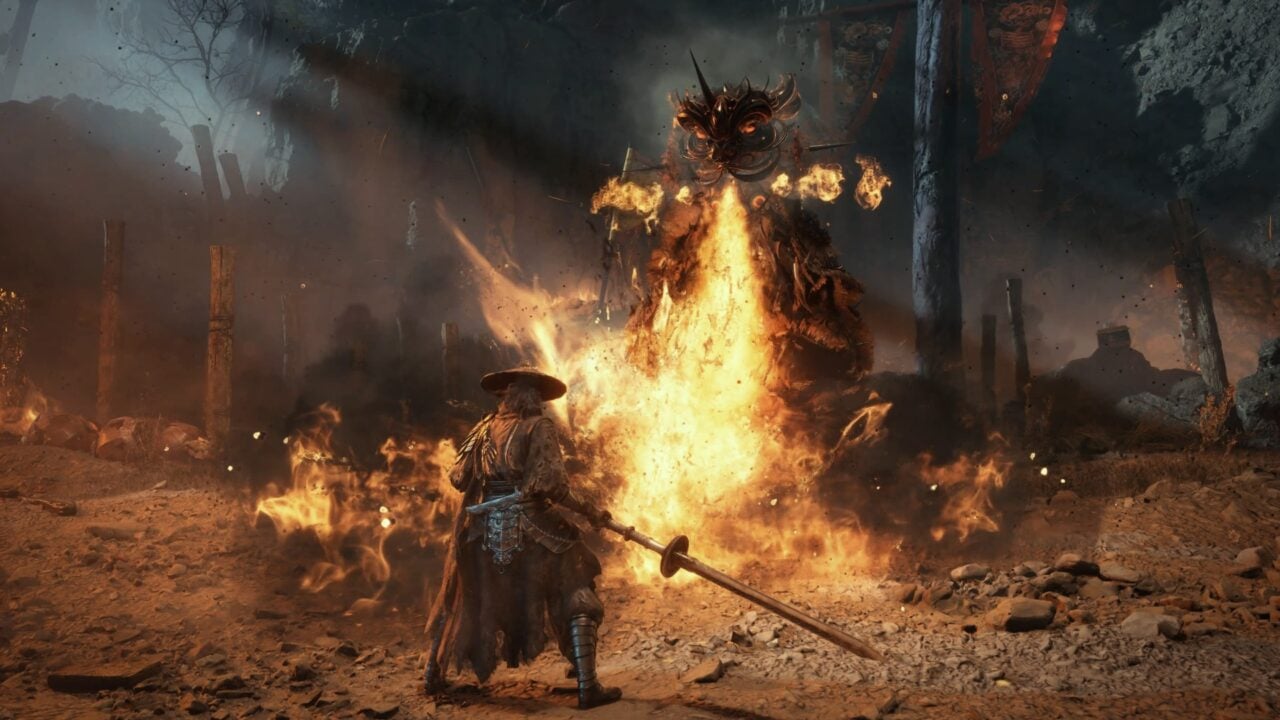
With the launch date of *Crimson Desert* set for March 19, the excitement surrounding this eagerly awaited open-world action RPG is on the rise. Despite the considerable pre-release buzz, players have yet to witness the game in action on consoles, resulting in some anxiety among fans. Recently released footage from *Digital Foundry*, highlighting the PS5 Pro version, has offered insights into the console experience, addressing worries and providing a preview of what gamers can look forward to.

Developed by Pearl Abyss, *Crimson Desert* aspires to offer an extensive gameplay experience paired with stunning visuals. The intricate details and expansive world have positioned it as a leading contender in the 2026 gaming scene. Nevertheless, doubts about console performance lingered, especially after it was revealed that reviews would focus solely on the PC version, with console gameplay access coming just before launch.

### PS5 Pro Performance Overview

On March 12, *Digital Foundry* conducted a thorough analysis of the PS5 Pro’s performance, a pivotal moment for fans eager for console gameplay. The game’s graphics are striking across three distinct modes: optimal, balanced, and quality, each catering to different gameplay styles. Although there are occasional visual artifacts, the technical performance is promising, thanks to an upgraded version of PSSR algorithms, akin to those found in *Resident Evil Requiem*.

Regarding framerate, *Digital Foundry* notes that all three modes efficiently maintain their targeted framerates, with the “optimal” setting striving for a smooth 60FPS. However, it’s crucial to mention that framerates might lower during intense combat scenes—this does not reflect the overall gameplay.

#### Recommendations for PS5 Pro Players

*Digital Foundry* suggests players stick with either the 60FPS or 40FPS (balanced) modes, as the slower 30FPS quality mode may negatively affect responsiveness. This recommendation is vital for gamers aiming for the best experience in high-stakes situations.

Richard Leadbetter, head of *Digital Foundry*, provided a measured perspective, pointing out concerns primarily related to CPU demands. While he recognized the game’s potential performance requirements, he found the console experience impressive, particularly considering the vast scale and design of the game’s world. The transition from a premium PC experience to the PS5 Pro seems seamless, heightening expectations for other upcoming console versions.

### Looking Ahead

As the countdown to *Crimson Desert* unfolds, early feedback on its PS5 Pro performance indicates it won’t be an unoptimized title, alleviating worries for fans. With expectations for console performance settling, excitement is likely to intensify further leading up to its release. However, players will still be keen to see how the game performs on standard PS5 and Xbox consoles. For now, the anticipated launch is poised to be one of the year’s most notable gaming events.

Uncategorized

An Investigation into the Welfare of Pokémon Pokopia Fan Artists

**The Emotional Resonance of Pokémon Pokopia: A Touching Dive into Fan Art and Mourning**

One intriguing facet of the Pokémon realm has consistently been its capacity to stir intense feelings, frequently revolving around the connection between trainers and their Pokémon. In the latest installment, *Pokémon Pokopia*, crafted by Game Freak and Omega Force, this emotional engagement escalates with a storyline rich in loss, sorrow, and the echoes of a bygone era where humans and Pokémon lived side by side.

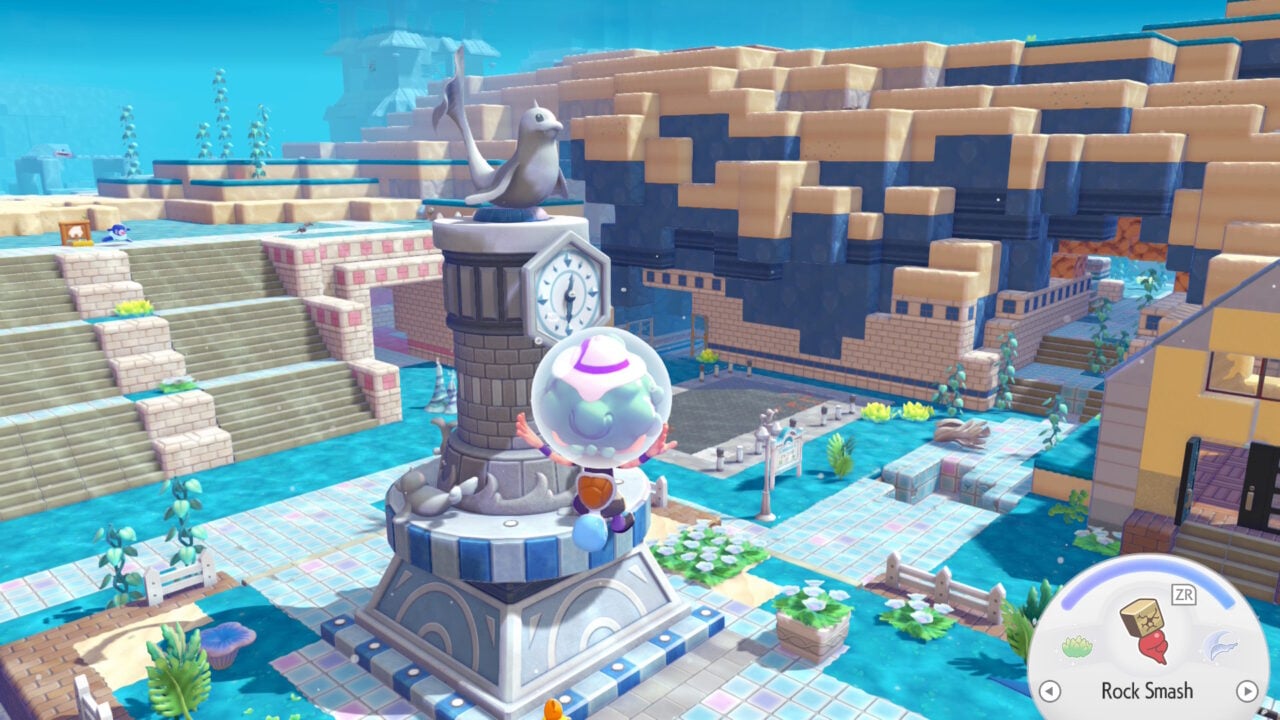
Situated in a post-apocalyptic iteration of the Kanto area, *Pokémon Pokopia* portrays a poignant situation where humans have disappeared, leaving their Pokémon to navigate the remnants of their society. The game’s backstory indicates that a climate emergency compelled humans to flee, isolating Pokémon within a vast PC server for their safety. Awakening in a barren environment, these Pokémon struggle with uncertainty and sadness, attempting to rebuild their lives while longing for their absent human friends.

The sorrow expressed in *Pokémon Pokopia* is deep. Players encounter flashes of nostalgia and sorrow as they discover forgotten sites and peruse heartrending diary entries written by trainers who had to leave their companions behind. This emotional gravity is intensified by the fan art that has surfaced in response to the game’s narratives, resonating with the unarticulated sentiments surrounding loss and yearning.

Particular focus is given to the game’s main character, Ditto, which holds the distinct power to morph into any figure, frequently taking on its trainer’s visage as a form of remembrance. This facet of Ditto’s identity has motivated fan artists to produce touching illustrations that depict the Pokémon in various levels of sorrow, often depicting its efforts to navigate the pain of its cherished trainer’s absence. These artworks often show Ditto imagining a longed-for reunion with its companion, skillfully capturing the bittersweet nature of hope intertwined with sorrow.

The influence of *Pokémon Pokopia*’s storyline stretches beyond Ditto, as other figures like the ailing Peakychu and Professor Tangrowth have struck a chord with fans, inspiring the creation of evocative fan art. Each piece encapsulates the overarching sense of loss that permeates the game’s narrative, showcasing a collective of artists who convey the raw emotions encapsulated in these tales.

This wave of creativity underscores the significance of fan art as a tool for processing grief. As creators share their interpretations and emotional reflections through their artistry, they build bonds with others who resonate with similar sentiments about the game. The art serves as both a homage to the narrative’s poignant themes and a comforting reminder that these emotions are felt universally.

In summary, *Pokémon Pokopia* has moved beyond the standard confines of a cozy life simulation game, exploring profound emotional landscapes that resonate with both players and artists. The outcome is a treasure trove of fan art that, while occasionally heart-wrenching, conveys the beauty discovered in shared grief and the strength of the bonds formed between trainers and their Pokémon. As the community continues to delve into these themes through artistic expression, one can only wish that this creative outlet will endure, capturing the heartrending yet optimistic journey that characterizes *Pokémon Pokopia*.