Uncategorized

“Leon and Chris Missing from Newest Resident Evil Film Teaser”

**Upcoming Live-Action Resident Evil Movie: What We Know So Far**

This year heralds the launch of a fresh live-action version of the legendary *Resident Evil* series, helmed by Zach Cregger, celebrated for his contributions to *Weapons* and *Barbarian.* In contrast to earlier movies that utilized the established lore from the video games, this version seems to explore original narrative territory. The initial trailer reveals a disquieting ambiance teeming with zombies and other horror elements, but key figures like Leon Kennedy and Chris Redfield will be absent.

The narrative revolves around a character named Bryan, played by Austin Abrams, who is recognized for his performances in *Euphoria* and *Weapons.* Bryan’s intense journey unfolds on a night that goes horribly awry. Working as a medical courier, he is thrust into a race against time amid chaos, striving to find his partner following the breakdown of society. The film encapsulates classic *Resident Evil* motifs, with Bryan scavenging for supplies to fend off zombie waves and pilfering potentially life-saving goods from the fallen.

Set to hit theaters on September 18, this *Resident Evil* film is slated to go head-to-head with another significant adaptation, the *Street Fighter* live-action reboot, which will premiere on October 16. Following Capcom’s recent successes like *Pragmata* and *Resident Evil Requiem,* both movies possess the ability to bolster Capcom’s presence in the entertainment sphere. As fans eagerly anticipate this new installment, they hope for a revitalized take that rejuvenates the cherished franchise while providing the excitement that *Resident Evil* is renowned for.

Uncategorized

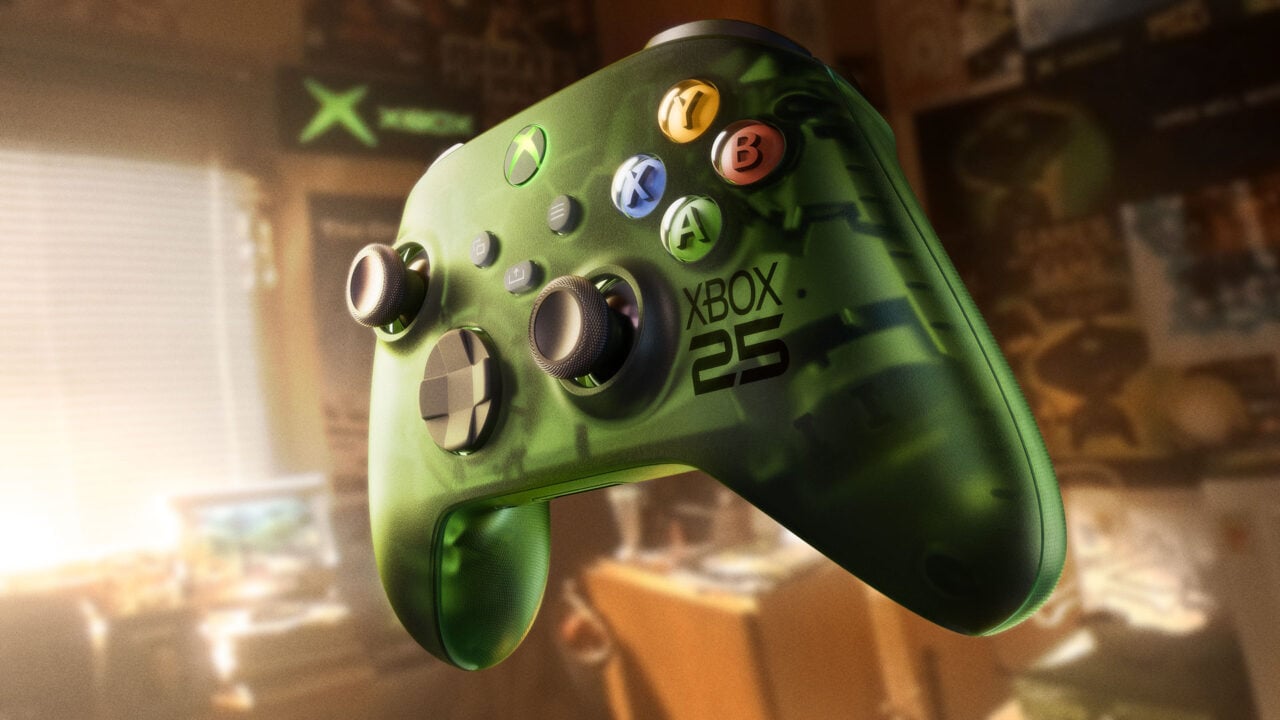
Microsoft CEO Recognizes Obstacles for Xbox as Organization Aims to Restore Fan Confidence

### New Xbox Leadership Under Asha Sharma: A Route to Revival

With Asha Sharma now at the helm of Xbox, Microsoft is diligently working to tackle the existing obstacles affecting its gaming platform. Sharma aims to change the public perception of Xbox by employing new communication strategies and initiating concrete modifications, such as lowering Game Pass subscription fees. Nevertheless, recent financial reports reveal that the journey to recovery is challenging, as Microsoft seeks to “reconcile with fans,” as stated by CEO Satya Nadella.

#### Declining Hardware and Revenue

In the last fiscal quarter, Xbox hardware sales experienced a notable decline of 33% year-over-year. This reduction mirrors earlier downturns related to Xbox Series X/S console sales. Furthermore, revenue from Xbox content and services dropped by 5% compared to the previous year. Chief Financial Officer Amy Hood linked this downturn to an unusually strong performance in the previous year, which was largely fueled by interest in major releases such as *Call of Duty: Black Ops 6* compared to the less acclaimed *Black Ops 7*. Despite Sharma’s efforts, the trend of Microsoft’s gaming sector persists in a downward direction.

#### Acknowledging Challenges

Sharma has candidly recognized the challenges ahead, remarking, “While we have made strides in growing the business and improving our margins, player and revenue growth have yet to align with our aspirations.” She highlighted the essential need for ongoing efforts to effectively engage players now and in the future. Her statement, shared via her X account, underscores her awareness of the hurdles she has encountered during her early months in this significant position, succeeding Phil Spencer.

Amidst the financial difficulties, Nadella pointed out some achievements, including record highs for monthly active Xbox users and total game streaming hours in the past quarter. However, he also admitted to the disorder within Microsoft’s consumer-oriented segments, particularly in gaming.

#### A Focus on Consumer Engagement

In a recent earnings conference, Nadella remarked, “Regarding our consumer business, we’re laying the groundwork essential for regaining fans and enhancing engagement across Windows, Xbox, Bing, and Edge.” He specifically referred to the substantial changes made to Game Pass, suggesting that the team is dedicated to responding to customer input. This marks a definitive change in tone from earlier conversations, transitioning from an attitude of assurance following the Activision Blizzard acquisition to one that emphasizes rebuilding trust and engagement with dedicated users.

#### The Future of Xbox

The future trajectory of Xbox under Sharma remains ambiguous. There exists the possibility of a thorough overhaul, deemed necessary by many users, or merely a recalibration aimed at enhancing key performance indicators (KPIs). As Sharma and her team strive to fortify the Xbox platform, stakeholders are keen to observe how these modifications will reflect on player engagement and financial performance in the forthcoming months.

In summary, while Asha Sharma’s leadership represents a proactive approach towards mending Xbox’s reputation and broadening its user base, the path forward is laden with challenges. The initiatives to improve Game Pass and reconnect with core players are vital measures in restoring their trust and loyalty to the Xbox ecosystem.

Uncategorized

Monument Valley Creator Alters Attention to Contractors, Recognizes Impractical Expectations Regarding Long-Term Job Security

### The Transformation of Ustwo Games in the Gaming Sector: An Analysis of Monument Valley

In 2014, *Monument Valley* rose to prominence as a remarkable entry in the mobile gaming arena, showcasing the possibilities for creativity and artistic flair on user-friendly platforms. Its triumph set ambitious benchmarks for mobile gaming, establishing it as a pillar of ingenuity amidst a multitude of standard, attention-seeking applications. Nevertheless, the actual state of the gaming industry has frequently strayed from these ideals, leading to the realization that *Monument Valley* stands as a significant exception rather than a standard.

Looking ahead to 2025, significant shifts have occurred for Ustwo Games, the studio behind *Monument Valley*. Following the lackluster debut of *Monument Valley 3*, which was removed from Netflix’s service just six months post-launch, the organization finds itself at a pivotal juncture. CEO Maria Sayans has openly contemplated their approach, underscoring flaws in their employment model. Ustwo Games had historically engaged a full-time workforce but is now transitioning towards a contractor-based framework, indicating that the appeal of offering long-term job stability may have led to operational difficulties during the creation of *Monument Valley 3*.

Sayans stated that although they nurtured a vision of continuity with permanent staff, the contractor demographic formed an insufficient part of their team as project demands grew. “Moving forward, we’ll recognize that we have a core group, and any expansion will involve contractors,” she remarked in a conversation with *Game Developer*. This transition mirrors a wider movement within the industry, where financial sustainability concerns drive both major and minor studios to reevaluate their staffing methodologies.

Ustwo’s change occurs in the context of increasing rivalry for consumer engagement. The gaming marketplace continues to transform, with players becoming more attracted to a multitude of entertainment options, prompting studios to economize through outsourcing and collaborative development. This tendency can be observed not only among larger companies but is also affecting smaller entities like Ustwo Games, raising alarms about the long-term feasibility of this strategy in nurturing a vibrant and varied gaming culture.

The ramifications of this transition extend beyond Ustwo Games. It suggests a future where game development frameworks may emphasize flexibility and cost-effectiveness over job permanence and stable career trajectories for developers. Sayans’ remarks indicate a somber recognition of this situation, as she observed that the industry’s ongoing evolution has created a less conducive atmosphere for full-time creative talents.

Importantly, the shift towards predominantly contractor-based teams invites essential inquiries regarding the potential consequences for creativity and innovation within the sector. While contractors can provide specialized expertise for particular projects, they may miss the institutional knowledge and continuity that full-time staff can offer. Such a transition carries risks—not just regarding employee morale but also concerning the possible erosion of the long-term vision that characterizes successful game creation.

To exacerbate these challenges, Ustwo Games has been subject to scrutiny in the past, notably surrounding claims of union-busting in 2019. Although denying any misconduct, this background highlights the difficulties that come with changes in employment practices within the gaming field.

In conclusion, while *Monument Valley* once exemplified an exceptional fusion of art and gameplay in mobile gaming, its development narrative mirrors broader patterns within the industry. As Ustwo Games adjusts to the evolving environment by adopting a contractor-centric approach, the implications for game developers and the future trajectory of the gaming industry are significant. It remains uncertain how these alterations will influence creativity, job security, and the overall robustness of the gaming ecosystem.