## Tomb Raider: Legacy of Atlantis – A Varied Perspective
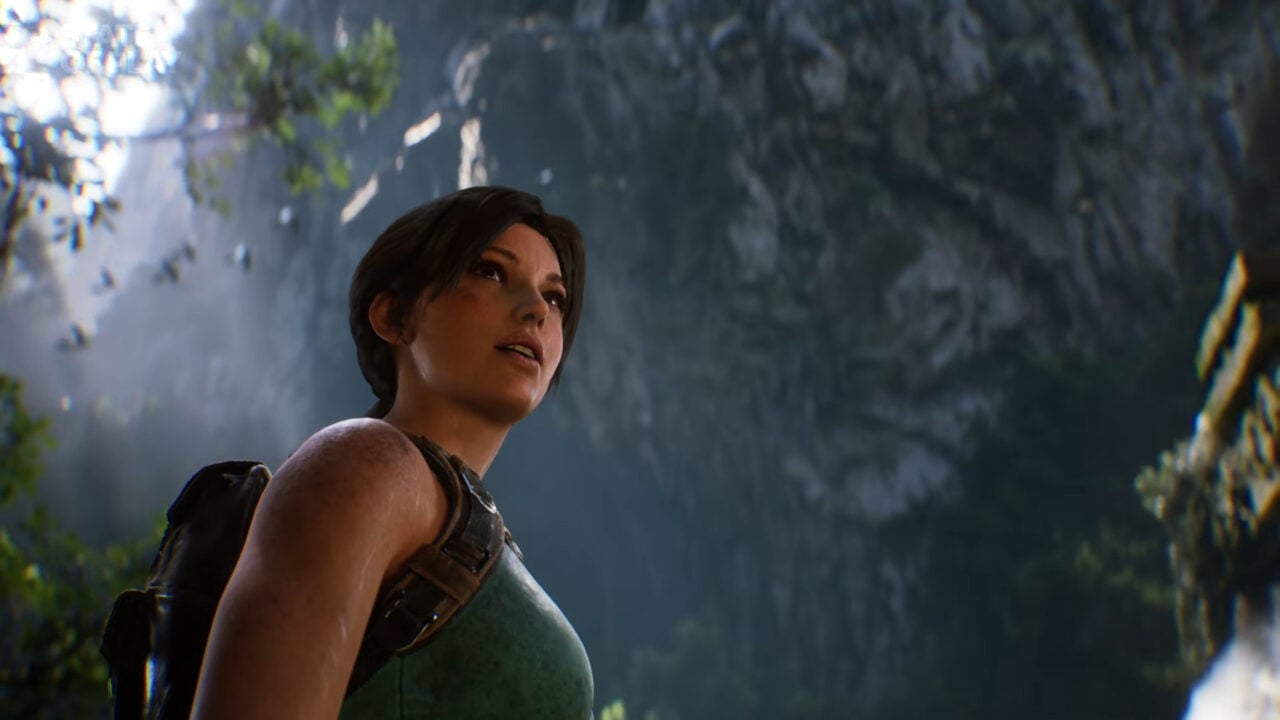
The impending launch of *Tomb Raider: Legacy of Atlantis* has sparked a blend of excitement and doubt, particularly after its recent postponement to 2027. After experiencing a preview during the Summer Game Fest, my impressions were somewhat lackluster, reminiscent of retracing a known path through the original *Tomb Raider*. While fans looking for a remake may relish the nostalgia, the overall experience was clouded by gaps in gameplay guidance, resulting in confusion over fundamental mechanics.
### Gameplay Mechanics and Combat
An essential element of any action-adventure title is its gameplay mechanics, and *Legacy of Atlantis* faces challenges in this context. The initial demo failed to offer direction on crucial features, like sprinting before leaps—a key mechanic that impacted my ability to advance. Additionally, the game’s gunplay felt weak, even during the emphasized bullet-time moments. Despite managing to take down foes such as dinosaurs, the absence of clarity regarding functional mechanics hindered my engagement with combat. Still, the developers introduced new ideas to prevent the experience from feeling wholly derivative, incorporating nods to classic *Tomb Raider* gameplay.
### Environmental Design Issues
While the attempt to merge nostalgia with contemporary gaming clarity is commendable, *Legacy of Atlantis* frequently stumbles in environmental design. The game boasts impressive visual detail, yet it occasionally obscures opportunities for interaction, making it difficult for players to identify climbable elements. The ambiguity between what can be interacted with and what cannot detracted from the exploration experience.
The postponement to 2027 may provide Crystal Dynamics the chance to enhance these facets. There is cautious hope that insights from early gameplay can be used to refine clarity and navigability, ensuring a more polished end product.
### The Impact of AI in Development
One of the more debated aspects of the game’s development has been the alleged use of generative AI. As this trend gains traction in the industry, it raises concerns about creative authenticity. The team asserts that AI is mainly utilized to generate placeholder assets in the early development stages, aiding in visualizing concepts without overloading developers. However, this practice of depending on AI has faced criticism, leaving some doubtful about the originality of the final product.
### Conclusion
In conclusion, *Tomb Raider: Legacy of Atlantis* stands out as a project with promise but burdened by initial missteps. With its delayed launch, there is hope for enhancements in core mechanics and environmental clarity. Nonetheless, the involvement of generative AI provokes mixed feelings regarding the game’s authenticity. As development advances, both fans and newcomers will be watching carefully to see how these challenges are tackled, with the aspiration of producing a captivating tribute to the cherished franchise.