Uncategorized

New Graph Captures PlayStation Enthusiasts’ Feelings Throughout This Generation
**The Current Status of PlayStation 5: Examining First-Party Game Sales and Development Hurdles**

The PlayStation 5 (PS5) phase has encountered considerable obstacles for Sony, presenting a sharp divergence from the abundant production that defined the PlayStation 4 (PS4) period. As players and industry experts contemplate this shift, it becomes evident that Sony’s approach to first-party releases and development schedules has evolved, leading to a conspicuous drop in first-party game sales.

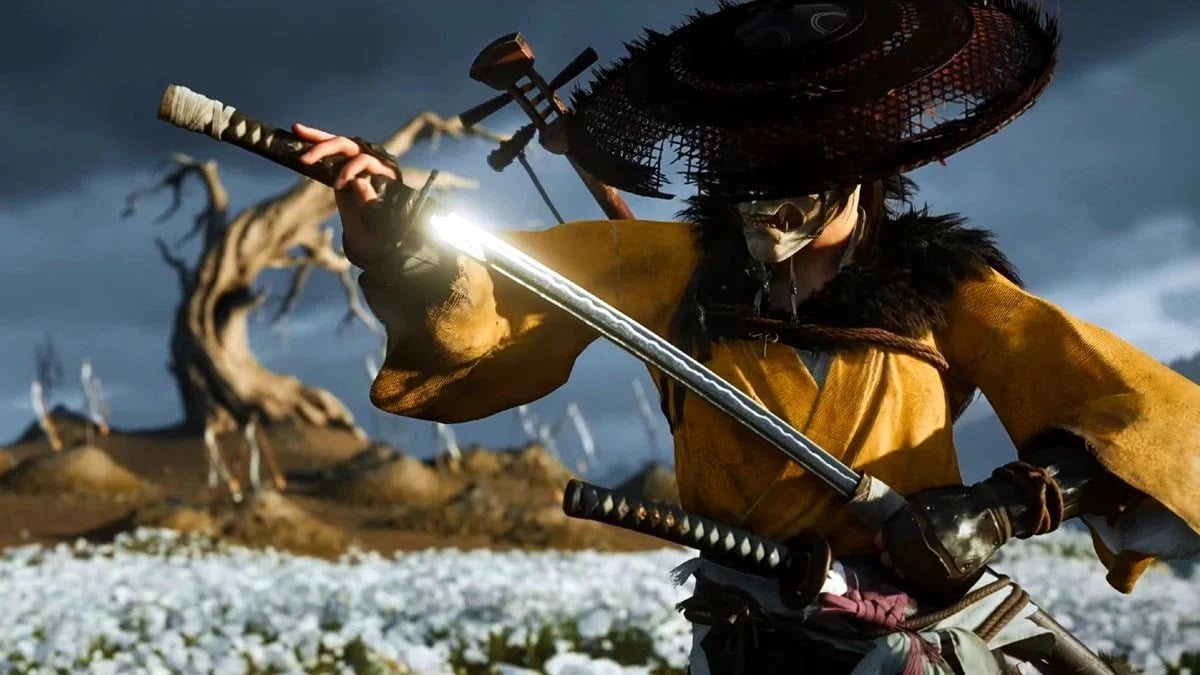
A recent evaluation by Stephen Totilo from *Game File* highlights the downturn in first-party game sales, particularly when analyzing figures from the fiscal year 2020 compared to later years. First-party sales reached a remarkable 58.4 million copies in fiscal year 2020, propelled by PS4 hits like *Ghost of Tsushima* and *The Last of Us Part II*, along with early PS5 successes such as *Marvel’s Spider-Man: Miles Morales* and the *Demon’s Souls* remake. However, this positive trend began to wane as the PS5 entered a stagnation phase characterized by a scarcity of significant first-party launches.

In fiscal year 2025, first-party sales saw a minor rebound, credited to a revival in open-world games like *Death Stranding 2* and *Ghost of Yotei*. This resurgence provided a brief respite, halting a four-year decrease and indicating that new content can still draw player interest. Remarkably, the total game sales from last year experienced a substantial uplift, with nearly 320 million copies sold, approaching the pandemic-driven pinnacle of 338 million sales.

Nonetheless, the overall mood among PS5 users remains mixed. While Microsoft and Nintendo have enhanced their game offerings, including notable third-party games, Sony’s first-party releases lack the distinctive character that the PS4 era presented. Even though studios like Team Asobi and Sucker Punch have published commendable titles, none have become as essential to the PS5 experience as the renowned games of its predecessor.

The prolonged development cycles are among the primary factors contributing to this dilemma. Development timelines have significantly increased; processes that previously took three to four years are now extending to five or more. This shift is particularly apparent in sequels that draw from established franchises. The rise of live-service gaming as a central strategy has added further complexity. Sony’s move to adapt to this model has resulted in several high-profile setbacks, draining resources and postponing expected projects.

As we peer into the future, uncertainties linger regarding Sony’s ability to sustain progress into the next console generation, the PS6. Whether the company can harness the pent-up desire for solid first-party titles is yet to be determined. Success may hinge not only on reviving the PlayStation brand’s identity but also on optimizing development workflows to produce quality games more effectively.

In summary, while the PS5 generation has achieved overall success in hardware sales and third-party game market performance, the challenge of establishing consistency and originality in first-party offerings poses a significant hurdle for Sony. As we navigate this changing landscape, gamers will closely observe how Sony adapts and innovates in response to these challenges.
Uncategorized

Intel’s Gaming Performance Rejuvenated: Insights from a Week of Testing Panther Lake Laptops

Intel have had a bit of a wild ride as of late. In many ways, the past two years have been some of the roughest in the company’s history: a massive, multi-billion dollar quarterly loss back in 2024 was enough to cost then-Intel CEO Pat Gelsinger his job, and their flagship Core Ultra 200S desktop chips have fallen flat in games, ceding even more ground to archrival AMD.

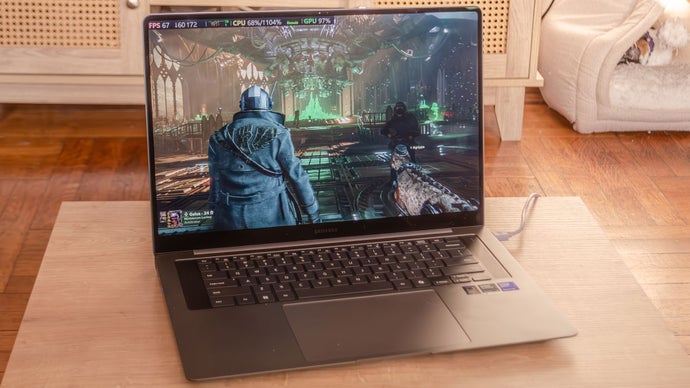
There are still some bright spots, however. After the relative success of Intel’s Lunar Lake laptop processors in 2024, their successor family of Panther Lake CPUs – or to use the official name, Core Ultra Series 3 – is being heaped with praise from nearly all quarters. Not least thanks to the integrated Arc B390 GPU, which on paper, promises the same gaming power as a discrete Nvidia RTX 4050. Having a few of these laptops on hand, I decided to test Panther Lake’s chops for myself by spending a full week with them as my everyday games machines.

Read more

Uncategorized

“Crimson Desert to Enhance Narrative Flow with Upcoming Story Adjustments and Planned DLC, According to Pearl Abyss”

Crimson Desert developers Pearl Abyss have outlined the tweaks they plan to make to their very wide open world game between June and September, as part of continued and relentless efforts to morph it into a shape which can please everybody. Notably, they say they’ll be acting on feedback about Red Pudding’s rather forgettable story with some changes designed to “strengthen the narrative flow” and stop people falling asleep mid-cutscene. They’ve also teased some more substantial DLC coming further down the line.

Read more

Uncategorized

Clutch: An Open-World Racing Game by Former Forza Horizon Developers Combining Traditional Racing and Action Movie Car Chase Elements

Maverick Games, the studio helmed by Forza Horizon 5 creative director Mike Brown, have revealed the story-led open-world driving game they’ve had in the works for a few years now and that’s no longer being published by Amazon. It’s called Clutch, and blends traditional Horizon-style road and street racing with a story that works in some action movie-esque chases with the police.

Read more

Uncategorized

“Subnautica 2 Update Introduces Enhanced Challenge and Strategy for Marrowbreaches and Nibblers”

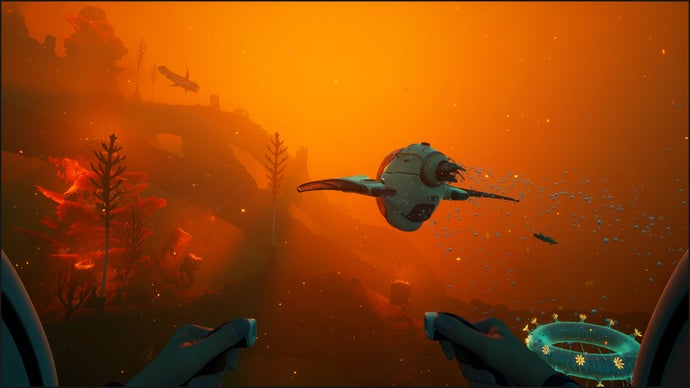
Last week, Subnautica 2 developers Unknown Worlds held their hands up and said that players seeking a means to kill dangerous fish was down to the survival game‘s tools for avoiding and outfoxing such creatures not feeling as effective as they should. Cue tweaks to creatures and their behaviour aimed at addressing the issue, which have started to arrive with Sub 2’s latest hotfix.

Read more

Uncategorized

Worries Grow Among Fans as 20-Year Veteran Exits Bandai Namco Amid Tekken 8 Exodus

**Kohei Ikeda Departs Bandai Namco After Two Decades: A New Era for Tekken**

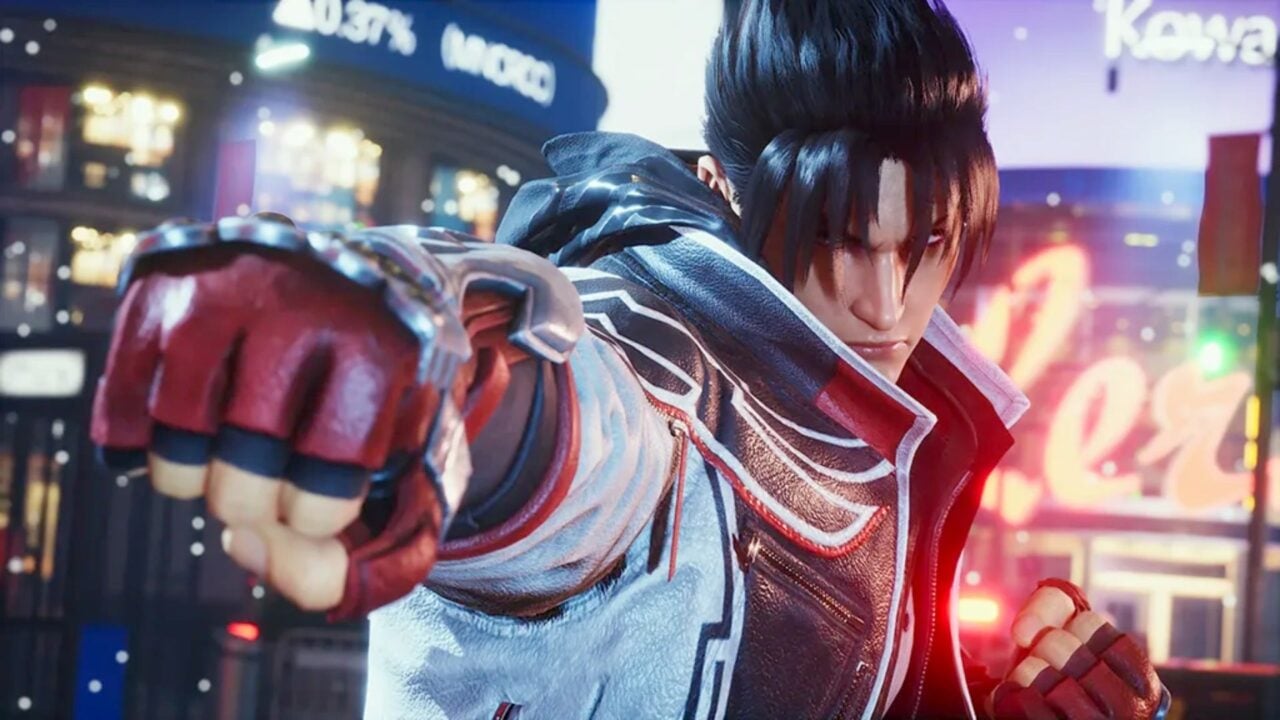
Kohei Ikeda, the producer and director of the latest titles in the renowned *Tekken* fighting game series, revealed his exit from Bandai Namco Studios on June 1, 2026. After two decades with the organization, Ikeda announced that his role as game director for *Tekken 8* “is coming to an end” and that he has “officially left” Bandai Namco. This announcement arrives merely six months after Katsuhiro Harada, the veteran producer and project director of the *Tekken* series, also declared his departure from the company.

In his statement on the social media platform X, Ikeda shared his appreciation for the support he received throughout his time at Bandai Namco. He reflected on the pride he experienced while developing games alongside skilled individuals who shared a dedication to their craft. Ikeda highlighted that although his direct engagement in leading the *Tekken* team is concluding, the fundamental principles of the project — including a strong connection to the fan community — remain intact.

Ikeda’s exit has generated a blend of concern and uncertainty within the *Tekken* community, mainly due to the ambiguity surrounding his successor at Bandai Namco. Fans are anxious about the trajectory of *Tekken 8*, particularly considering the short interval between Harada’s departure and Ikeda’s announcement. The future direction of the franchise now appears uncertain, with players hoping that the incoming leadership will continue to honor the series’ legacy.

Compounding the uncertainty is the quietude from Michael Murray, a cherished producer and localization head for *Tekken*. Many wonder if Murray, recognized for his close ties with both Ikeda and Harada, might also be weighing a departure.

While Ikeda refrained from revealing his next career endeavors, he suggested that he aims to pursue new challenges as a game developer. Speculation abounds that he may join Harada at SNK’s newly established VS Studio. This prospective collaboration would garner significant interest, given the impact both individuals have had on the fighting game genre.

As the *Tekken* franchise readies itself for a transition into a new phase, it remains to be seen who will rise to fill the roles of these pivotal figures and how their absence will influence the development of forthcoming *Tekken* games. The community continues to look for updates, optimistic about the future of their cherished fighting game series.