
The Department of Homeland Security (DHS) has faced criticism for its recent initiatives to advertise the Immigration and Customs Enforcement (ICE) through social media memes and trending videos, incorporating iconic visuals and music from well-known franchises like *Halo* and *Pokémon*. Detractors have contended that these marketing strategies trivialize significant concerns related to immigration enforcement, especially the agency’s contentious methods regarding the apprehension and deportation of vulnerable individuals.
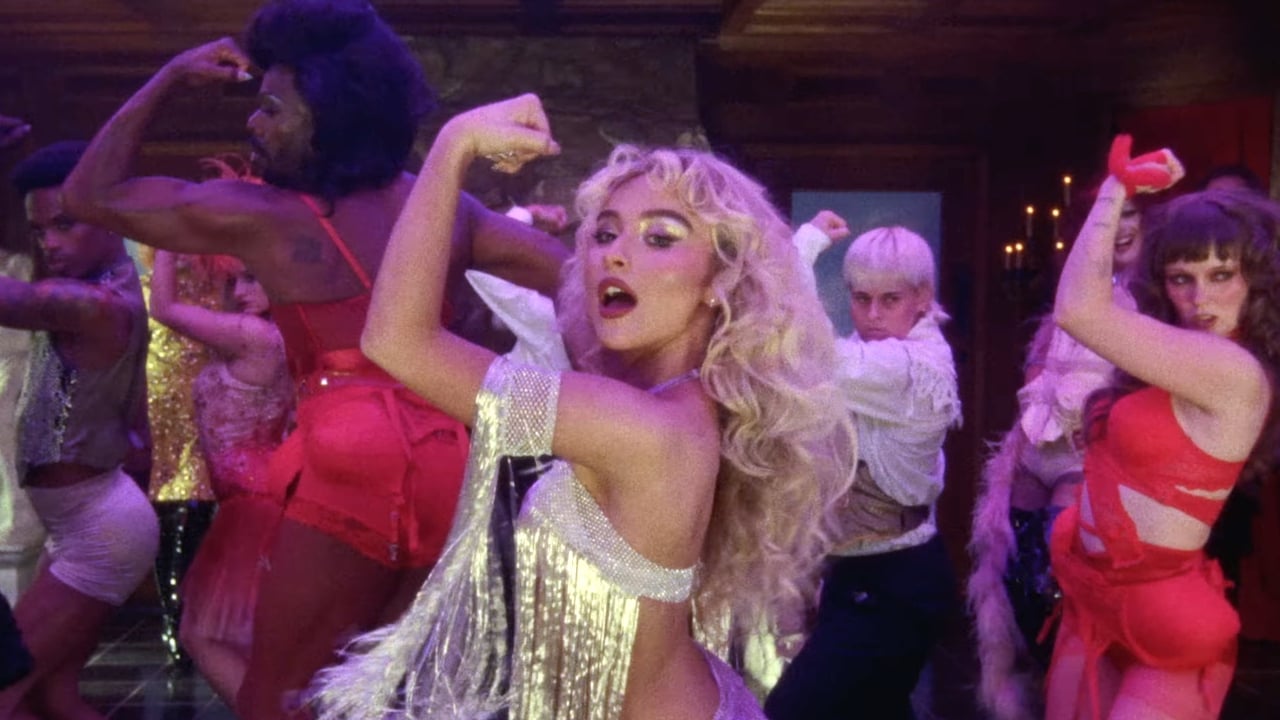
Notably, a video shared by the White House showcased ICE agents making arrests accompanied by the tune of rising pop sensation Sabrina Carpenter’s song “Juno.” This track features provocative lyrics that have been appropriated by the DHS within a context many consider distasteful and disconnected, leading to public outrage. Although Carpenter has gained recognition for her catchy pop melodies, she has also voiced strong disapproval of the administration’s use of her music to further what she regards as an inhumane agenda. In a sharp rebuke, Carpenter stated, “this video is evil and disgusting. Do not ever involve me or my music to benefit your inhumane agenda.”
Subsequently, the Trump Administration’s communications team responded with a statement that many viewed as cavalier and antagonistic. They emphasized their commitment to deporting individuals categorized as “illegal murderers, rapists, and pedophiles,” while data indicates that non-criminal arrests by ICE surged notably during this timeframe. This reply elicited additional criticism, as it appeared to seek a sanitization of the complexities surrounding immigration enforcement.
Furthermore, calls have emerged from Carpenter’s fanbase urging her to pursue legal action against the White House for the unauthorized use of her music. The debate amplifies the discussion regarding the intersection of art, social justice, and governmental action, particularly regarding how portrayals of serious issues can be commercialized and exploited, thereby undermining their significance.
As the conversation persists, the ramifications of employing popular culture in governmental communication remain a vital crossroads of ethics and public perception. This incident highlights the necessity for accountability in utilizing cultural products, especially in contexts involving state power and human rights.