**The Influence of Fan Art and Limitations on Content Creators**
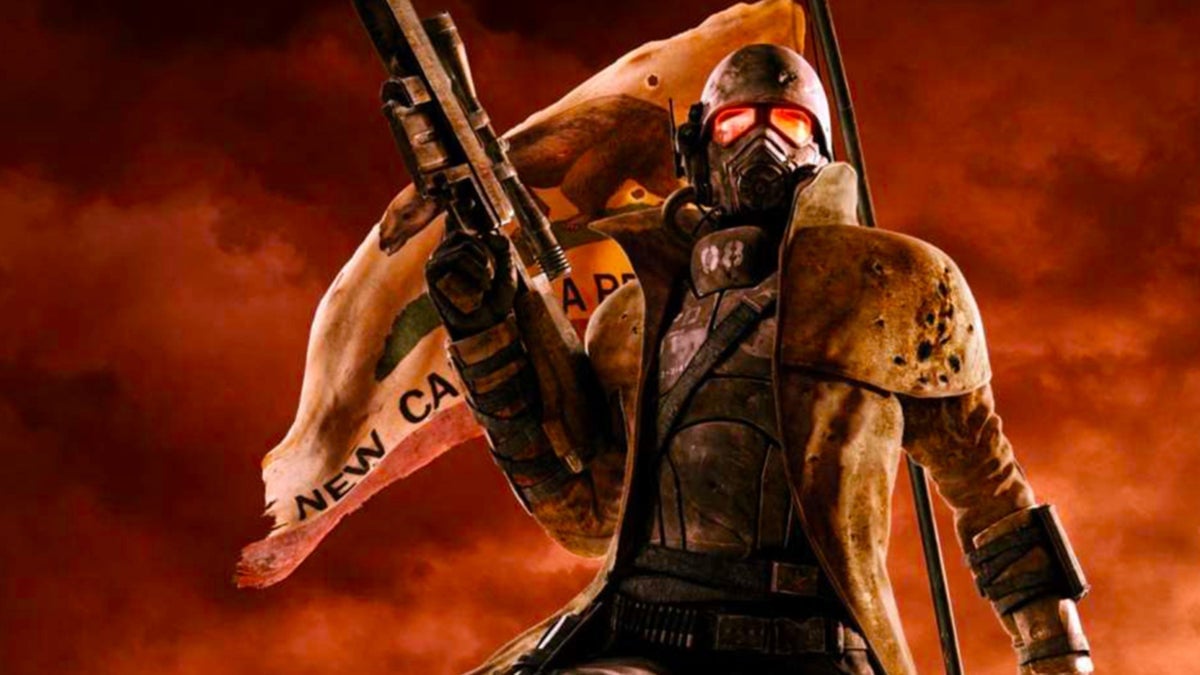
The convergence of fandom and artistic expression has consistently ignited passionate debates, particularly about the suitability of content disseminated within these domains. A significant example emerged when Ken Levine, the primary developer of the renowned game *BioShock*, publicly requested fans to refrain from sending him explicit artwork featuring the character Elizabeth from *BioShock Infinite*. He conveyed that encountering such visuals felt similar to “seeing NSFW images of a daughter,” highlighting the unease creators may feel when their characters are portrayed in sexualized manners by fans.
In recent times, this trend has only escalated. With the advent of social media platforms, artists are becoming increasingly audacious in presenting explicit art directly to creators, frequently tagging or mentioning them in unsolicited contributions. This shifting dynamic sparks discussions about consent, respect, and the limits between creators and their audiences.
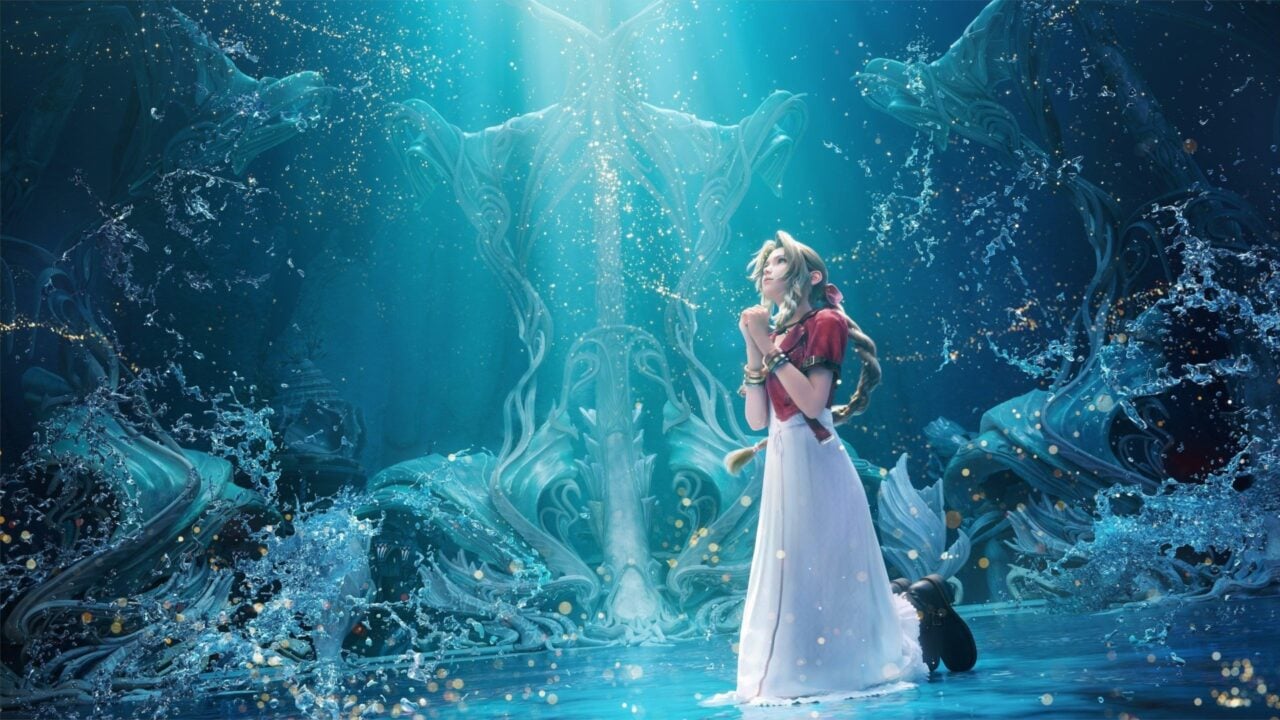
One prominent voice in this debate is Briana White, the voice actress for Aerith in the *Final Fantasy VII Remake* trilogy. White has candidly expressed her dissatisfaction regarding the tagging of actors in pornographic representations of their characters. She addressed a colleague’s encounters with similar dilemmas, making it evident that such actions can undermine the community spirit and connectivity that many creators strive to nurture. She stated, “It’s really unfortunate when [voice actors] wish to engage with the individuals who cherish the characters on social media, but just a few inappropriate individuals spoil it for all.”
White’s viewpoint underscores a frequently overlooked facet of fan interactions: consent. She articulated the challenge in determining what is suitable or acceptable to each individual creator based solely on their online identity. Her reflections resonate with numerous content creators who find themselves in comparable situations, navigating the ambiguous boundaries between fan adoration and intrusive actions.
Fans often convey their enthusiasm through artistic expressions, including fanfiction and drawings, which can bolster community engagement and appreciation for the original material. However, the distinction between celebration and harassment becomes unclear when unsolicited explicit content is introduced. As White noted, while many appreciate adult-themed artwork, sending such material to creators without prior context or consent equates to harassment.
Ultimately, the crux lies in honoring boundaries. Fans are encouraged to create and share their creations, but it is crucial to consider the sentiments and comfort zones of the people behind the characters. Ensuring that interactions are consensual and respectful not only aids in maintaining a nurturing community but also permits creators to engage positively with their fans.
In conclusion, the dialogue surrounding fan art and its limitations is vital for fostering a dynamic yet respectful fandom culture. By acknowledging the significance of consent and recognizing the potential discomfort that explicit content may cause creators, fans can nurture a more constructive environment that benefits all participants.