
**The Obstacles Confronting Call of Duty: Black Ops 7 and Activision’s Reaction**
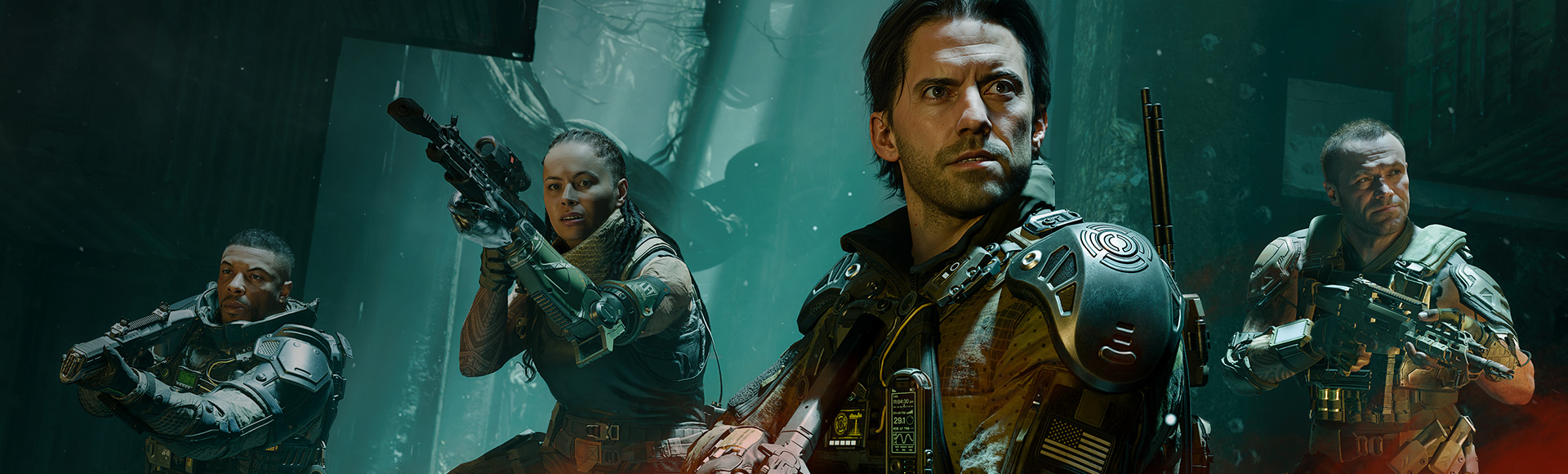
The launch of *Call of Duty: Black Ops 7* has failed to fulfill the lofty aspirations set by Activision, highlighting a worrying trend for a franchise traditionally seen as a lucrative asset for the publisher. With reports of diminished player engagement, Activision conceded the difficulties in a recent statement, acknowledging that the franchise “has not fully met your expectations,” a remark that resonates more with shareholders than with gamers.
For more than twenty years, the *Call of Duty* franchise has consistently dominated gaming sales metrics, frequently ranking among the top sellers and bringing in over $2 billion annually. However, the newest release, which came out on November 14, 2025, has exhibited signs of declining performance against a backdrop of stiff competition, including *Battlefield 6*, *Helldivers 2*, and free-to-play games like *Delta Force*. Reports suggest notable decreases in player numbers and negative user feedback, signaling a change in gamers’ tastes.
While *Black Ops 7* is not expected to fail outright, projections indicate it will still garner decent sales; however, the perception of disappointment is primarily fueled by Activision’s lofty expectations. The company appears to be reacting defensively, revisiting its strategy for upcoming releases to better align with player preferences.
In a carefully crafted yet cautious statement, Activision reiterated its dedication to adjusting its development approach. The firm disclosed it would stop the trend of releasing *Modern Warfare* or *Black Ops* titles back-to-back. This choice is designed to offer distinct gaming experiences and emphasize “meaningful” innovation rather than mere incremental changes.
This strategic change is likely aimed at addressing community dissatisfaction regarding perceived stagnation in the series. Criticisms about a repetitive formula and a lackluster online campaign indicate players might be yearning for fresh, inventive experiences instead of recycled content.
In a recent interview, industry expert Chris Dring pointed out that *Call of Duty* has experienced significant declines in player counts this year. Although Activision did not reveal specific sales numbers, public data, such as metrics from SteamDB, reflect stark differences in player engagement compared to previous years. This drop is particularly concerning given the heightened competition, further highlighting the necessity for revitalization within the franchise.
Looking ahead to 2026, Activision’s statement keeps the door open for a new *Call of Duty* title, although it may not fall under the *Modern Warfare* and *Black Ops* labels. Past efforts to innovate during releases like *Vanguard* and *Call of Duty: WWII* received mixed feedback, raising concerns that the franchise could be trapped in a cycle. Historically, Activision’s response to unsatisfactory sales has often involved advocating for larger projects rather than fostering deeper innovation.
Considering the ongoing competition and potential player burnout, a pivotal question remains whether *Call of Duty* can sustain the gaming community’s interest. Activision’s commitment to redefining its strategy could signify a reassessment of how it measures success and an acknowledgment that relentless pushes may not be the answer. Brand fatigue poses a significant risk if players feel inundated by the franchise’s yearly releases.
As the company comforts players about a promising future, labeling current developments as potentially groundbreaking, many are left questioning whether the assurances of innovation will come to fruition and resonate with a weary audience. Only time will tell if Activision’s strategic shift leads to a reawakening of interest in the *Call of Duty* franchise or if it will continue to struggle with the repercussions of dwindling engagement.