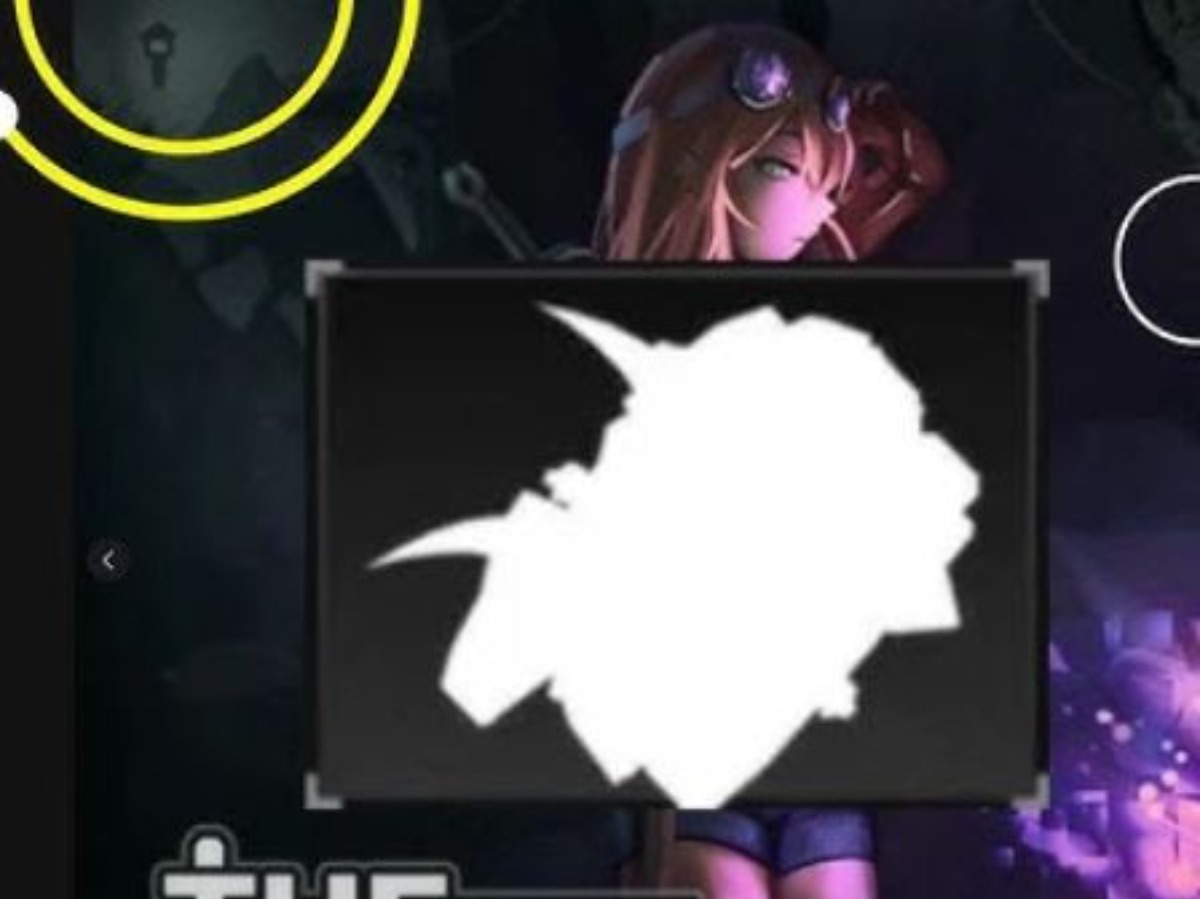
How to Get Rivalite in The Forge
Wondering how to get Rivalite in The Forge? It’s an Epic rarity ore that provides a decent Crit Chance buff to your weapons. Take note of the traits that some ores have in The Forge! We’ve got plenty of content about ores, such as our How to Get Arcane Crystal guide.
How to Get Rivalite in The Forge
To obtain Rivalite in The Forge, you need to mine in the Forgotten Kingdom and the Volcanic Depths. You can access the latter via the Forgotten Kingdom, if you haven’t visited that location already.
The rocks you must mine are Basalt Veins and Volcanic Rocks. Basalt Veins are located in the Forgotten Kingdom, but you can only find Volcanic Rocks in the Volcanic Depths.
Keep in mind that Basalt Vein rocks require a pickaxe with a Mining Power of at least 78. Volcanic Rocks require a Mining Power of at least 100 to be broken.
What is Rivalite?
Rivalite is an Epic rarity ore with a 1 in 569 chance of dropping when you break Basalt Vein rocks and Volcanic Rocks.
It has a forging multiplier of 3.33x, and if you want to sell the ore by itself, it sells for 49.95 Gold. When used to forge weapons, the Critical Chance stat of the weapon increases by 20%.
Frequently Asked Questions
How to Get to the Volcanic Depths
When you’re in the Forgotten Kingdom, head into the Ruined Caves and look for the wooden ‘DANGER’ sign attached to the ceiling. Follow the pathway ahead of this sign until you see rocks with orange lines.
Here, you need to break the rocks blocking the hole in the ground. Once you’ve done that, you can drop down into the Volcanic Depths.
Which Pickaxes Should You Use For Basalt Veins and Volcanic Rocks?
- For Volcanic Rocks:
- Lightite Pickaxe (Mining Power of 100)
- Arcane Pickaxe (Mining Power of 115)
- Magma Pickaxe (Mining Power of 135)
- Demonic Pickaxe (Mining Power of 180)
- For Basalt Vein Rocks:
- Mythril Pickaxe (Mining Power of 80)
Related Posts

Game Pass Ultimate Faces Gradual Launch in September 2026
### Xbox Game Pass September 2026 Update: A Limited Line-Up and Exits
Xbox has announced its forthcoming game selections for September 2026, and the enthusiasm is dampened by a rather sparse offering. This month, there is only one game exclusive to the Game Pass Ultimate tier, fueling discussions about whether subscribers are indeed receiving worth for their investment, particularly as major titles like *Cyberpunk 2077* are scheduled to exit the service mid-month.
#### New Additions to Xbox Game Pass
The highlight for Game Pass in early September is *Speedrunners 2: King of Speed*, launching on September 3. This multiplayer 2D platform racing game acts as a follow-up to a popular 2016 release, upholding its status among gamers on Steam. Importantly, it stands as the sole new game for Ultimate subscribers that won’t be accessible to the Game Pass Premium tier, raising doubts about the perceived value of the Ultimate subscription at this time.
Here is the full list of games joining Xbox Game Pass in wave 1 for September 2026:
1. **Shelldiver** (Cloud, Console, and PC) – September 1
Available on Game Pass Ultimate, Game Pass Premium, and PC Game Pass.
2. **Speedrunners 2: King of Speed** (Cloud, Xbox Series X|S, and PC) – September 3
Available on Game Pass Ultimate and PC Game Pass.
3. **Dice a Million** (Cloud, Xbox Series X|S, Handheld, and PC) – September 4
Now part of Game Pass Premium; also accessible on Game Pass Ultimate and PC Game Pass.
4. **Call of Duty: Black Ops Cold War** (Cloud, Console, and PC) – September 8
Available on Game Pass Ultimate, Game Pass Premium, and PC Game Pass.
5. **The Royal Writ** (Cloud, Xbox Series X|S, Handheld, and PC) – September 10
Available on Game Pass Ultimate, Game Pass Premium, and PC Game Pass.
6. **Virtua Fighter 5 R.E.V.O. World Stage** (Cloud, Xbox Series X|S, and PC) – September 10
Available on Game Pass Ultimate, Game Pass Premium, and PC Game Pass.
7. **RuneScape: Dragonwilds** (Cloud, Xbox Series X|S, and PC) – September 15
Available on Game Pass Ultimate, Game Pass Premium, and PC Game Pass.
Additionally, *TCG Card Shop Simulator*, already featured on the service, will see its 1.0 version release on September 15. Furthermore, *EA Sports NHL 27* will present an early access trial beginning on September 4. Fans of the new *Pokémon*-inspired RPG, *Aniimo*, can look forward to a complimentary reward pack to enrich their gameplay as they venture forth.
#### Departures from Xbox Game Pass
Regrettably, the exits this month amplify the disappointment regarding the limited introduction of new content. *Cyberpunk 2077* is set to depart on September 15, along with several other significant titles, including *Dead Cells*, *Deep Rock Galactic Survivor*, *Frostpunk 2*, *Mullet Madjack*, and *Spiritfarer*. While August offered a robust assortment for subscribers, there remains hope that the latter half of September will bring forth more alluring additions, especially with the eagerly anticipated *Gears of War: E-Day* set to debut in October.
In conclusion, although September kicks off with a handful of intriguing new offerings, the overall meager selection and significant departures indicate a transitional period for Xbox Game Pass. Subscribers will be eager to witness enhancements as the month unfolds, ensuring that the service continues to provide the anticipated value from its tiered offerings.
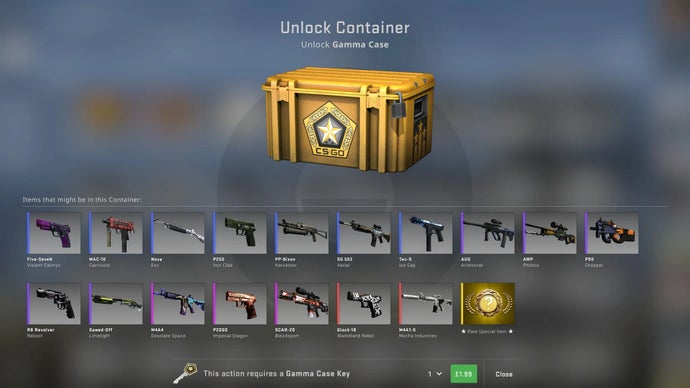
Valve argues that New York’s classification of Steam loot boxes as “gambling” infringes on free speech and could negatively impact protected video game design.
Valve have moved to dismiss a New York attorney general lawsuit accusing them of facilitating illegal gambling by way of lootboxes on Steam, after first seeking to try it in the court of public opinion. In a memo filed this week, the company offered a largely familiar defence against the New York AG lawsuit, hinging on the idea that randomised lootbox rewards can’t be defined as gambling under state law, because they are bought with virtual currency (which can be used for other purposes) and have no ‘real’ value as cash or property.
They also position the lawsuit as an attack on free speech, while – to my eye, anyway – skirting around the claim that lootbox design and presentation can be inherently manipulative.
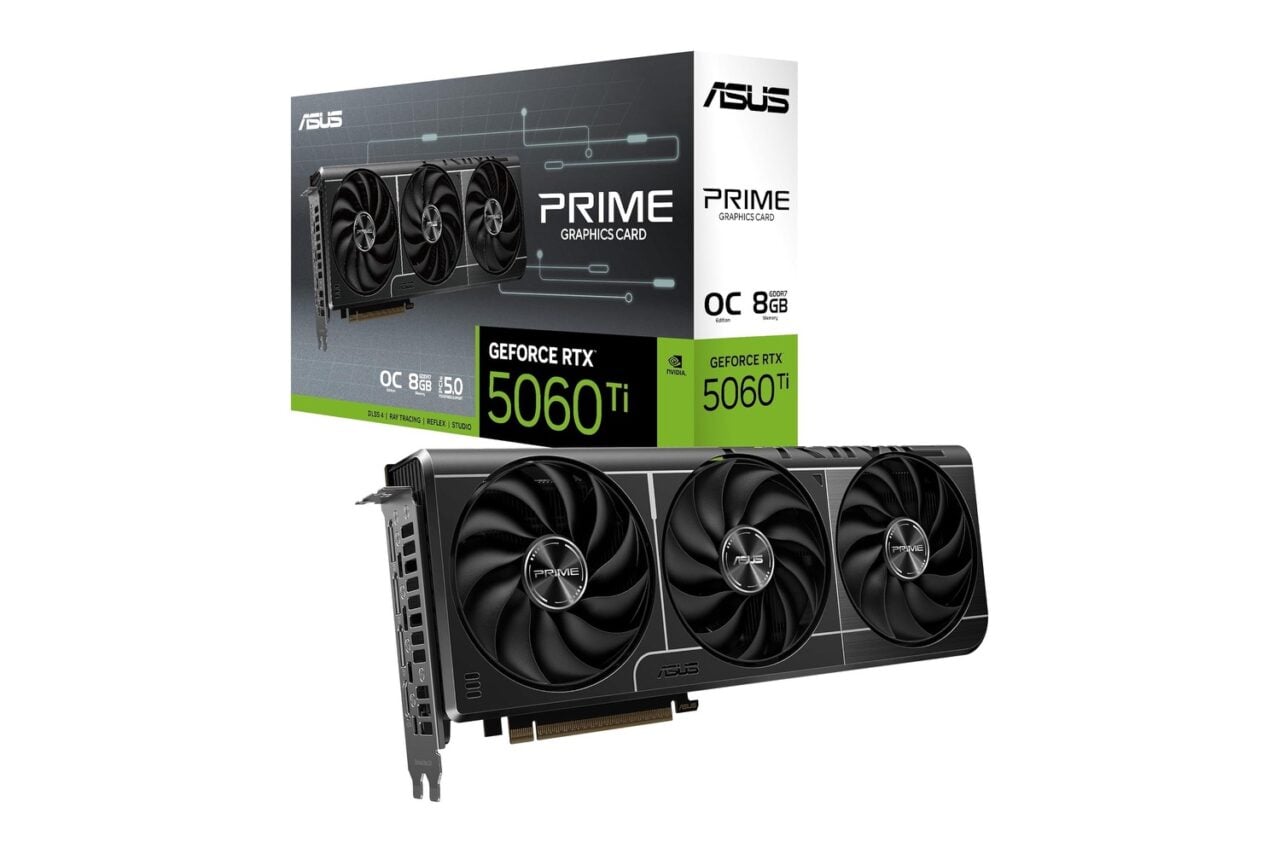
ASUS Lowers Costs on Top Graphics Card; GeForce RTX 5060 Sees Additional Price Drop
### Enhance Your Gaming PC with the ASUS Prime GeForce RTX 5060 Ti
Want to boost your gaming experience? A new GPU can greatly improve your gaming PC’s performance, resulting in smoother gameplay and richer visuals. If you’re looking for an upgrade without spending a fortune, consider the presently discounted ASUS Prime GeForce RTX 5060 Ti 8GB GDDR7 OC Edition Graphics Card.
#### Current Discount
You can purchase the SFF-Ready ASUS Prime GeForce RTX 5060 Ti on Amazon for **$318**, reduced from its original retail price of **$470**, offering a significant discount of **$152**, which equates to around **32% in savings**. [View it at Amazon](https://shop.kotaku.com/go/6615/).
#### A Robust GPU for Gamers and Creators
The ASUS Prime GeForce RTX 5060 Ti is crafted to fulfill the requirements of contemporary gaming and creative endeavors:
– **Performance**: With NVIDIA’s Ampere Architecture and 8 GB of GDDR7 memory, this graphics card guarantees high frame rates at 1080p and 1440p resolutions, capable of exceeding 60 FPS even on elevated settings.
– **Efficiency**: It not only offers outstanding performance but also ensures lower power consumption, making it a greener choice.
#### Compact Design
Designed for small form factor systems, the ASUS Prime GeForce RTX 5060 Ti fits well within most mini ITX and micro ATX cases. Although it takes up two and a half slots, its compact design allows ample space for additional components. It adeptly manages airflow and cooling, featuring axial-tech fans and well-placed heat sinks to promote quiet operation and low temperatures even during rigorous use.
#### Perfect for Gaming and Creative Tasks
This graphics card serves as a noteworthy upgrade from both integrated graphics and older discrete models. You’ll experience:
– **Quicker Load Times**: Enjoy fast game launches and seamless scene transitions.
– **Improved Frame Rates**: Benefit from smooth gameplay and enhanced visuals.
– **Cutting-Edge Features**: Effortlessly utilize modern gaming technologies like ray tracing.
For content creators, the additional memory and processing power support tasks such as video editing and 3D modeling, handling demanding workflows with ease.
#### Conclusion
In conclusion, the SFF-Ready ASUS Prime GeForce RTX 5060 Ti 8GB GDDR7 OC Edition Graphics Card provides impressive performance, a compact build, and effective cooling—making it an ideal option for gaming fans and creators. With its current price of **$318**, it emerges as a budget-friendly choice to upgrade your PC’s performance. [Explore it at Amazon](https://shop.kotaku.com/go/6615/).