
### The Shutdown of Arkane Austin: Insights from Harvey Smith
In May 2024, Arkane Austin, a studio famous for its critically celebrated games like *Prey* and *Dishonored*, was closed by Microsoft as part of a strategy to prioritize “high-impact” games. This shutdown represents a pivotal event in the gaming industry, particularly for those at the studio, overseen by Harvey Smith, a veteran noted for his contributions to the genre-defining *Deus Ex* and *Dishonored*. In a recent episode of the podcast *My Perfect Console*, Smith openly discussed the ramifications of this closure, reflecting on both his long career and the experiences of his team.
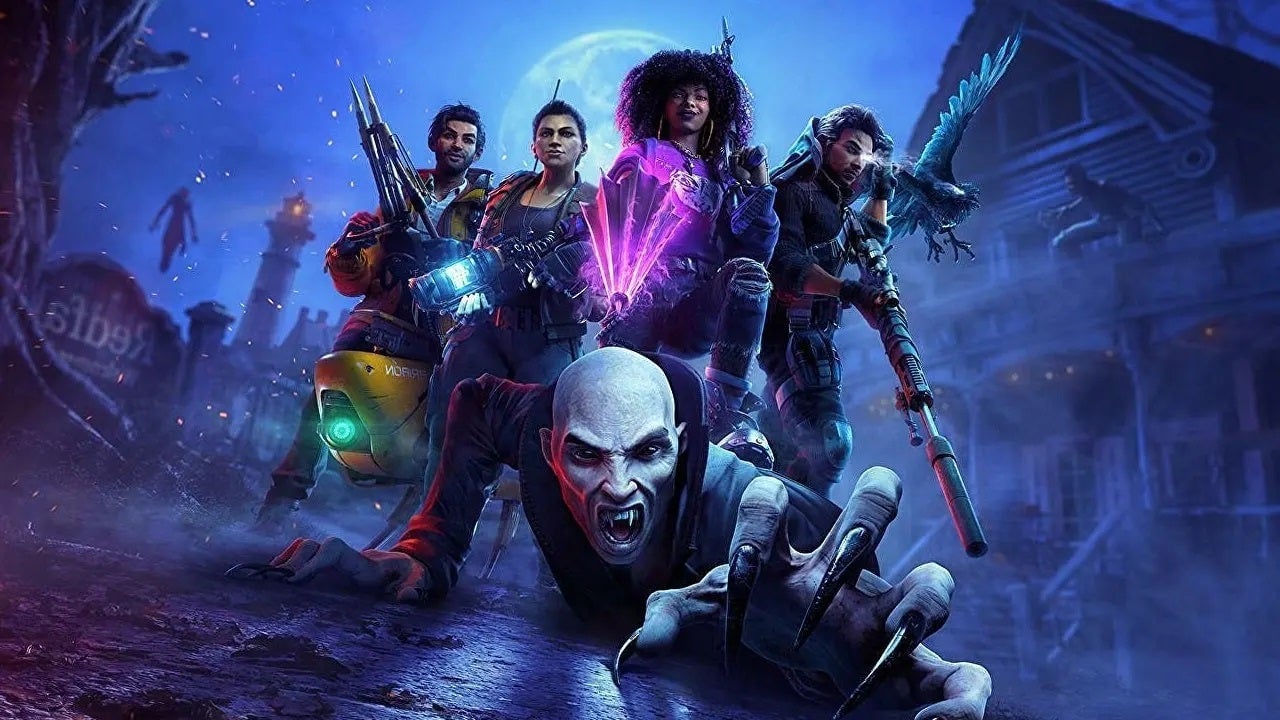
The podcast episode, which lasts two hours, opens with Smith reminiscing about the night before the studio’s closure. He received a call notifying him of the upcoming shutdown and spent the evening in distress, worried about the junior developers at Arkane Austin, many of whom had minimal industry experience and had only engaged in one or two projects prior to joining the studio to contribute to *Redfall*. This uncertainty highlighted the significant impact such closures can have on emerging talent in the gaming field.
Smith conveyed his surprise regarding the decision, considering that Arkane Austin had delivered highly esteemed titles. He remarked, “Every company makes the decisions they make for the reason they make them… This studio made *Dishonored*, alongside the Lyon studio, and then they produced *Prey*.” The context of the gaming industry’s shift towards games-as-a-service models significantly influenced the development of *Redfall* and ultimately its reception.
Recognizing his position as the studio director, Smith accepted responsibility for some of the difficulties that *Redfall* encountered, while also acknowledging his fortunate standing within the industry. Having experienced various highs and lows over his thirty-year career, Smith contrasts his resilience with the situations faced by Arkane Austin’s new developers. He commented on the scarcity of long careers in gaming today, implying that his journey equipped him with a unique viewpoint that newer developers might not yet have.
Smith remarked, “I’m that rare person who has no complaints, but that’s a little bit of survivorship bias because things have worked out for me.” This reflection emphasizes the significance of experience in grasping industry challenges and personal development. The narrative that layoffs are simply a “bump in the road” resonates differently in today’s gaming landscape, where mass layoffs have reached unprecedented levels, impacting even the most successful firms.
The closure of Arkane Austin serves as a poignant reminder of the unpredictability inherent in the creative industry. While *Redfall* did not meet the expected success as a live-service title, the shutting down of a studio celebrated for its creativity and innovation indicates a wider trend within the gaming sector. The pressure to adapt to swiftly changing market demands can result in the dissolution of studios with rich histories.
In summary, the insights shared by Harvey Smith shed light on the personal and professional impact that such industry decisions impose on creators and their teams. The gaming landscape is in constant flux, along with the challenges of sustaining stable careers amid economic instability. Smith’s reflections offer a glimpse into both the history of game development and the present state of the industry, underscoring the necessity for supportive structures for emerging talent while honoring the enduring influence of seasoned veterans.