
**The Speculation Around “Avengers: Doomsday” and the Surge of Misinformation**
The chatter among fans regarding superhero films is not a recent event, and the imminent *Avengers: Doomsday* has emerged as a hotspot for conjecture, doubt, and misinformation, surpassing ordinary conversations associated with other Marvel Cinematic Universe (MCU) entries. The shroud of secrecy around *Doomsday* has resulted in a plethora of cryptic teasers and trailers, many of which the average fan might not even recognize as being in circulation before *Avatar: Fire and Ash*. This shroud of doubt complicates matters for both fans and casual viewers, making it hard to differentiate between what is real and what is merely the result of fan-driven enthusiasm.
The MCU serves as one of the most prominent elements of contemporary pop culture, partially propelled by a media environment geared towards engagement and swift information spread. In such a landscape, numerous people disseminate information without confirming its validity, leading to the expansive spread of theories about *Doomsday* that are posited as truths. The nostalgia-driven allure of the film—featuring beloved characters and actors—has especially paved the way for misinformation, allowing fan speculation to flourish without substantiated facts.
Instances of this misinformation consist of alleged AI-generated images claiming to be screenshots from trailers, some of which have yet to debut. For example, there have been spoof trailers proposing new storylines or character developments, like a plot focused on Chris Hemsworth’s Thor. Humorous interpretations of this phenomenon have surfaced, with profiles asserting the introduction of characters such as Sigourney Weaver’s Ellen Ripley into the MCU, merging elements from various franchises in a manner that is both amusing and deceptive.
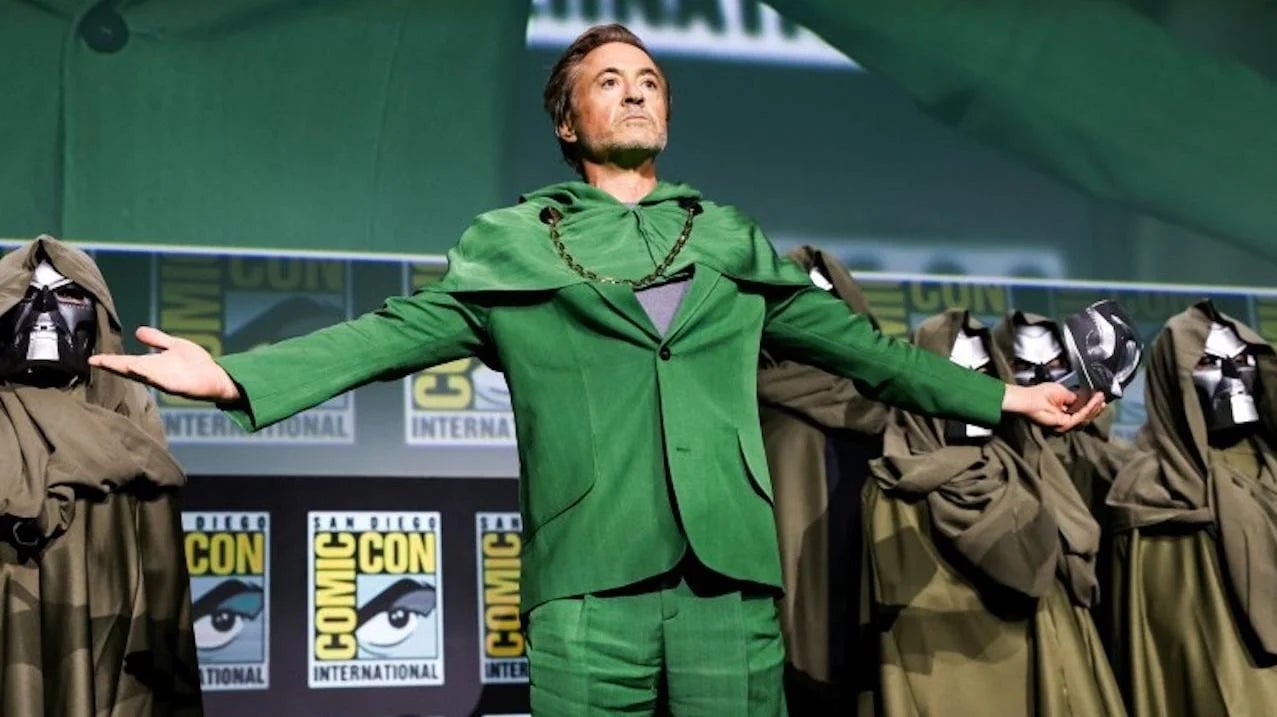
Additionally, the conjecture that Doctor Doom might function as a multiverse version of Tony Stark, with Robert Downey Jr. taking on a new role as the antagonist, has only intensified further speculation. This notion illustrates a widespread trend where deepfakes, altered images, and unverified assertions flourish on social media platforms, often accompanied by questionable source citations. This unchecked circulation nurtures a culture where misinformation can prosper, even when users are sincere in their interactions.
For ardent Marvel fans, this environment can seem daunting, yet casual viewers often evade the weight of misinformation. Nevertheless, with *Doomsday* creating authentic buzz—especially through theater-exclusive teasers that aren’t easily accessible online—average consumers find themselves navigating a terrain cluttered with rumors and unreliable sources. As trailers are withheld from official sources, audiences depend on an imperfect network of leaks and speculation.
The rise of bogus and AI-created movie content has compelled platforms like YouTube to take measures against channels that produce misleading trailers, underscoring the thin line between fan creations and potential financial consequences for larger entities within the film sector. This reaction highlights the intricacies of maneuvering through a landscape where fan excitement can bleed into the domain of misinformation.
To sum up, the anticipation surrounding *Avengers: Doomsday* signifies a broader challenge within the superhero media landscape, where speculation frequently eclipses reality. Amid the thrill, fans should remain discerning, questioning the origins of the information they consume and share while navigating a world characterized by swift rumors and speculations.