**The Aftermath of the ‘Stranger Things’ Finale: Exploring Fan Responses and Creator Insights**
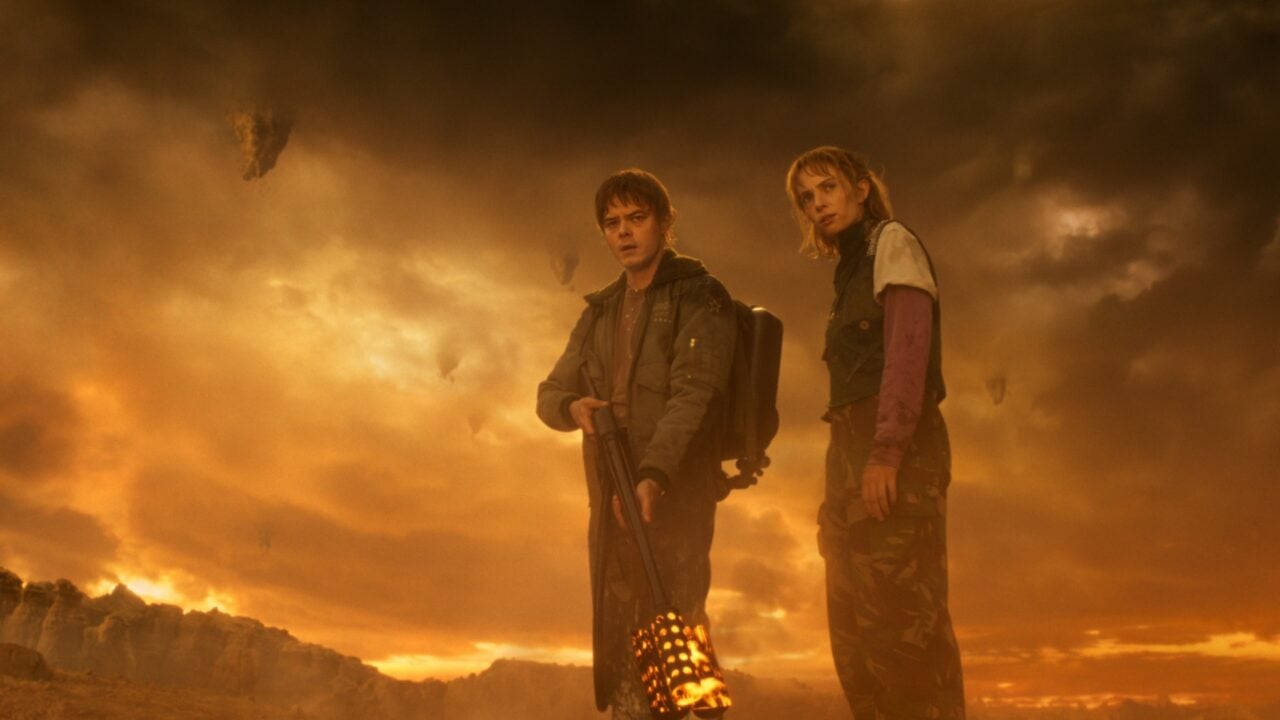
As the journey through the Upside Down concludes after ten years, the finale of *Stranger Things* has sparked a flurry of reactions from audiences and critics alike. While the Duffer brothers, Matt and Ross, take pride in their successful creation, they now find themselves navigating the troubled waters of viewer discontent. The peak of their narrative has left some fans feeling misled, leading the creators to contemplate their decisions and the ensuing backlash.
In recent interviews, the Duffers have candidly shared their experiences during this promotional period, particularly emphasizing the difficulties of facing critics and fans. Matt Duffer openly confessed to being overwhelmed by the level of scrutiny they encounter, stating, “I really shouldn’t have done any of these postmortem interviews… I’m not in a good place.” His comments resonate with numerous creatives who experience pressure to defend their artistic choices, especially when audience expectations run high.
The Duffer brothers have been inundated with a flood of inquiries regarding unresolved plot elements and character developments. Some viewers have latched onto these interviews, yearning for explanations that might provide the closure they feel the finale failed to deliver. This urgency for clarity has only intensified the negative perspective of the series’ conclusion, as many fans charge the creators with overlooking details that were once essential to the show’s charm.
On social media, responses have been immediate and outspoken. Critics have voiced their disappointment over perceived narrative flaws, with a notable segment stressing that the Duffer brothers, given their ample budget and thorough preparation time, ought to have delivered a more cohesive finale. Remarks ranging from disillusionment with the creators’ approach to outright animosity towards their responses illustrate the depth of discontent within the fan community.
The backlash echoes previous cases of fan dissatisfaction in popular culture, notably reminiscent of the uproar surrounding the conclusion of *Mass Effect 3*. Such comparisons highlight a broader dialogue about the obligations of creators towards their audience, particularly in franchises that have fostered considerable emotional investment in their narratives and characters.
Amidst the relentless criticism, there is a case to be made for recognizing the essence of artistic expression. Not every narrative resolution resonates with all viewers, and occasionally, a story wraps up in a way that does not meet personal expectations. The industry is rife with instances where artistic intent and audience reception diverge significantly.
As the dust settles on the *Stranger Things* finale, the Duffer brothers illustrate the intricate relationship between creators and their works. While they may have fashioned a cherished series, they also contend with the realities of creative discontent and the challenge of satisfying every fan. The discussions surrounding their finale serve as a reminder of the significant influence storytelling has on its viewers and the equally significant challenges that accompany it. As fans continue to dissect the implications of this finale, one thing remains evident: the universe of *Stranger Things* will resonate long in the minds of viewers, whether positively or negatively.