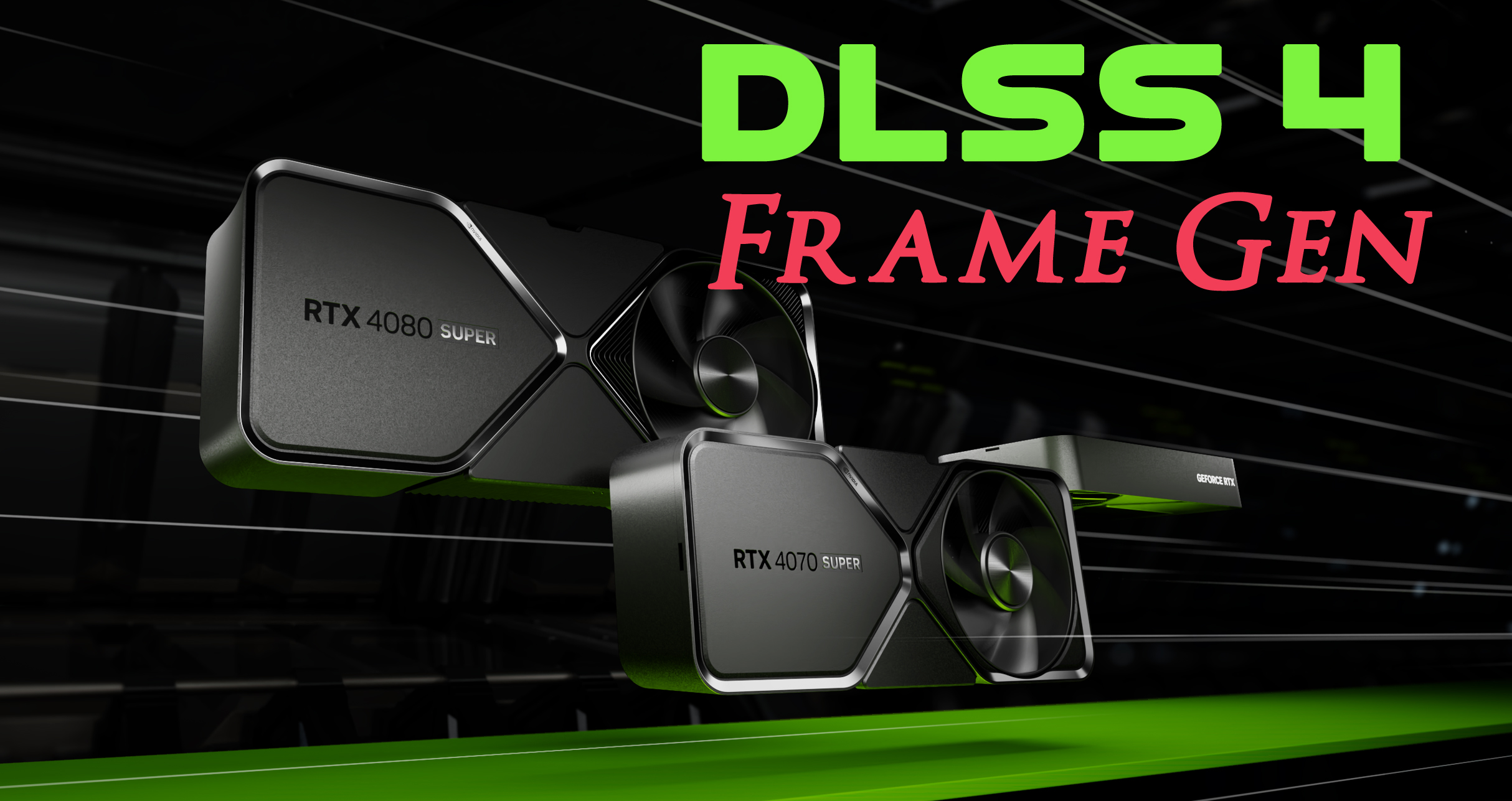
CES 2026 is underway in Las Vegas, and while Nvidia has opted not to announce any new RTX 50 Super graphics cards—perhaps due to the ongoing component pricing snafu—the tech show has unveiled some intriguing news regarding GeForce technology. The spotlight is on the launch of a new version of Nvidia DLSS, specifically DLSS 4.5, which aims to enhance performance and image quality for all RTX GPUs.
DLSS 4.5 introduces a second-generation upgrade to the ‘Transformer’ upscaling model that debuted with DLSS 4. This new version builds upon the improvements made over the older Convolutional Neural Network (CNN) technology used in earlier DLSS variants. Nvidia asserts that DLSS 4.5 offers “greater contextual awareness” during image upscaling, resulting in higher resolution frames with sharper details, reduced ghosting in moving images—a common issue in previous iterations—and overall improved anti-aliasing effects.
Although there are no performance figures available yet, previous knowledge suggests that DLSS 4’s Transformer model was somewhat less effective in boosting frame rates compared to CNN, but the enhancement in visual quality made it worthwhile for many users. DLSS 4.5 is expected to maintain a good balance between frame rates and image clarity. Compatibility should not be a major concern, as over 400 games will support DLSS 4.5 through the Nvidia App’s DLSS Override tool. This new Transformer model is also compatible with all current RTX-branded graphics cards, extending its benefits beyond just the latest RTX 50 series.
A significant addition coming with DLSS 4.5 is the Dynamic Multi Frame Generation feature, set to launch in Spring 2026. This feature builds upon DLSS 4’s Multi Frame Generation (MFG), allowing users to set a target frame rate—likely synced with the maximum refresh rate of their monitors. Unlike the fixed multipliers of 2x, 3x, or 4x seen in DLSS 4 MFG, Dynamic MFG can stretch up to 6x frame generation, providing a more tailored experience.
While the general perception of generative AI has been marred by concerns over unfulfilled promises and issues surrounding intellectual property, the application of AI in DLSS and its rival, AMD’s FSR, remains more benign. DLSS is trained on a single supercomputer, and the actual frame generation occurs on the user’s GPU, minimizing the risks associated with data privacy and original work exploitation. This unique approach requires collaboration with game developers, ensuring ethical usage.
Nevertheless, frame generation does come with its challenges, particularly with higher multipliers potentially amplifying issues such as increased input lag. Users might find that while gaining visual smoothness, the responsiveness of gaming can decline, especially if the number of generated frames overshadows the quantity of traditionally rendered frames. For optimal gameplay, maintaining at least 70-80 frames per second in traditional rendering would be advisable if one wishes to utilize higher frame generation multipliers without compromising the tactile experience.
Overall, DLSS 4.5 presents an exciting advancement in performance and image clarity for gamers, but considerations around input lag and frame responsiveness remain crucial for its effective implementation in competitive gaming scenarios.