
**The Narrative Structure of Cyberpunk 2077: Analyzing the Pre-Heist Act**
*Warning: Spoilers for Cyberpunk 2077 lie ahead.*
Cyberpunk 2077’s storyline plunges players into a dystopian future where they embody V, a mercenary grappling with a unique existential crisis. The narrative escalates when V faces a looming threat embodied by the digital ghost of Johnny Silverhand, played by Keanu Reeves. This looming presence invites players to navigate a vibrant open world, filled with side quests and other distractions that extend far beyond V’s immediate crisis. CD Projekt Red humorously acknowledges this phenomenon themselves, hinting at the ways players can immerse themselves in the expansive exploits of Night City rather than solely focusing on the central story arc.
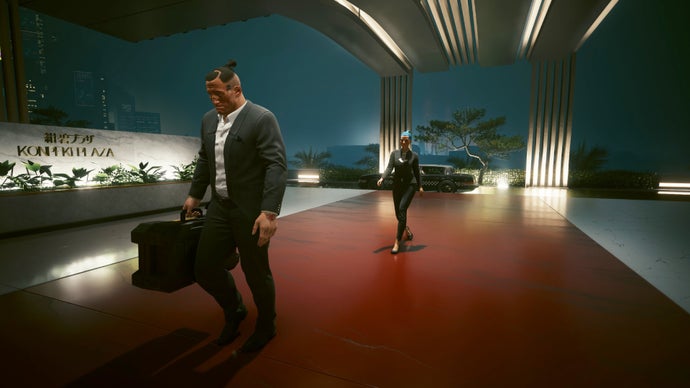
Prior to the pivotal heist that alters the course of V’s life, the game includes an extensive introductory segment featuring V’s partnership with Jackie Welles. Players have the option to engage deeply with the game’s environment and narrative through numerous side quests. However, many rush through this phase, eager to dive into the broader, more action-packed elements of the game’s world. This has raised questions about whether extending this opening act would enhance the gaming experience. Igor Sarzynski, the creative director for Cyberpunk 2, emphatically argues against this idea.
In a discussion on BlueSky, Sarzynski articulated that elongating the pre-heist act would not contribute positively to the narrative. He likens the situation to suggesting more time spent on Tatooine with Luke Skywalker before his Jedi journey, which would only serve to dilute the tension and stakes of the story. He maintains that the lack of clear goals during this introductory segment—predicated on a vague ambition to “get to the top”—renders extended play within this framework unfocused and meandering.
Despite acknowledging the potential for players to invest up to 20 hours in exploring the pre-heist section, Sarzynski asserts that the current length strikes an appropriate balance, allowing for character development and emotional weight to remain intact when significant events unfold. Many players may feel initially detached due to the rapid pacing of the sequence, where a montage of Jackie and V’s escapades feels accelerated. This narrative choice can sometimes inhibit the establishment of a deep connection with Jackie, which is critical when his character faces pivotal changes.
Another point of contention has been the game’s progression design, which can create an illusion of safety in the face of an overarching threat. Sarzynski proposes that future iterations, including Cyberpunk 2, might benefit from recontextualizing side quests to align with a sense of imminent danger, allowing players to weave their legendary status into the narrative fabric more effectively.
Critics may find merit in both rapid and extensive storytelling techniques, as illustrated by contrasting games like Red Dead Redemption 2. Some may argue that prolonged narrative arcs can immerse players in the world more fully, while others may appreciate the urgency of a fast-paced adventure. Ultimately, Cyberpunk 2077 aims to balance these aspects, though observer feedback indicates that the presence of Johnny Silverhand may sometimes disrupt moments of contemplation and atmospheric storytelling.
In summary, Cyberpunk 2077’s pre-heist act has spurred considerable discourse on narrative pacing and character engagement. While the developers endorse the current structure, discussions around the effectiveness of this approach continue to evolve, paving the way for improvements and innovations in future titles within the Cyberpunk universe.