# The Nostalgia Debate: Logan Paul and the Proposition for a Pokémon Remake
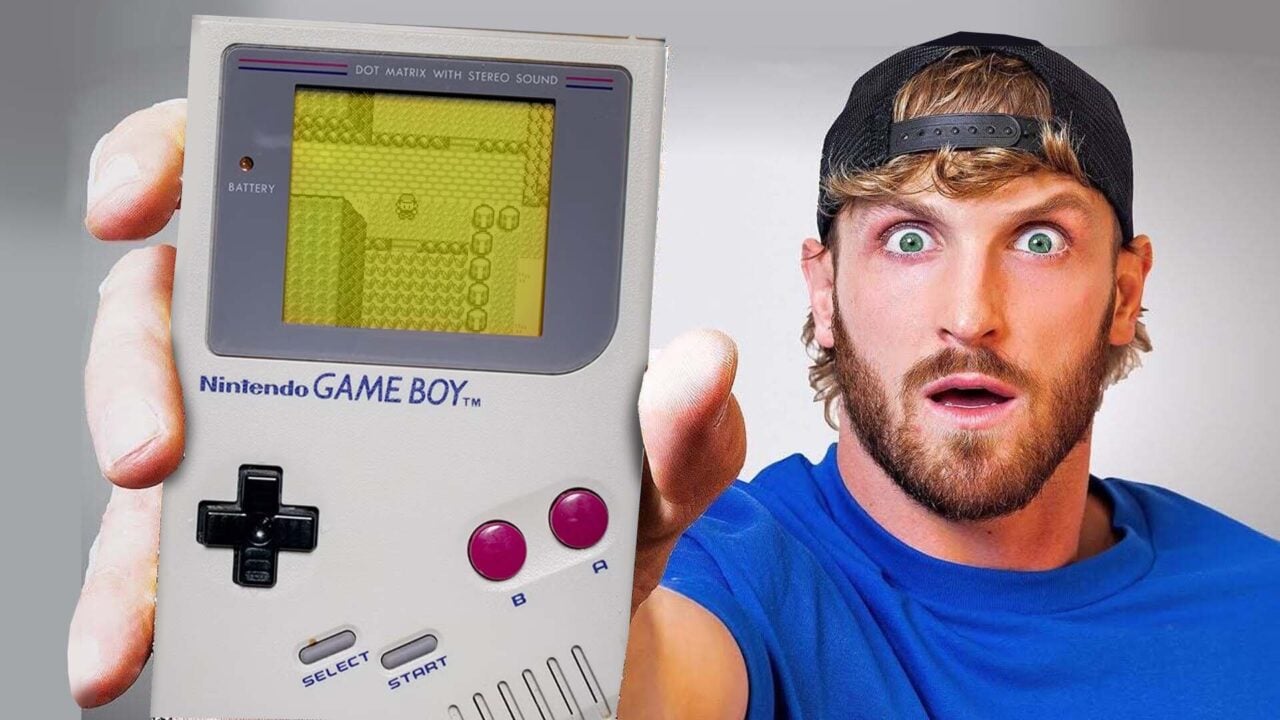
In recent conversations about the Pokémon franchise, Logan Paul, a well-known content creator and wrestler, captured attention with a viral post suggesting a nostalgic remake of the original Pokémon games, Red and Blue. Paul’s proposal highlights the potential to leverage the “nostalgic equity” that many fans connect with these classic games, advocating for a new version that would integrate modern gameplay features while retaining the essence that made the originals legendary.
## Nostalgia as a Marketing Approach
Paul’s proposal highlights a tactic that many brands have utilized over time: nostalgia. He promotes a game that could serve three unique purposes:
1. **Rekindle Childhood Memories**: Older fans could revisit the joy of their childhood, possibly enticing a previously disengaged demographic back into the community.
2. **Introduce New Players**: Younger audiences would learn about the origins of the franchise that sparked a cultural phenomenon.
3. **Connect Generations**: Paul recommends that a fresh remake could act as a familiar entry point for older fans who might not connect with the modern Pokémon designs and concepts, such as Annihilape and Baxcalibur.
While resonating with common views from the Pokémon community, his remarks also indicate a limited comprehension of the series’ evolution over the last three decades. Paul acknowledges a disconnect from recent Pokémon, showcasing a nostalgia-focused perspective that might miss the advancements made in subsequent generations.
## The Sustained Success of Pokémon
Despite Paul’s claim that there is a significant opportunity for a traditional remake, the Pokémon franchise has continually evolved and prospered with numerous innovations, including remakes like **FireRed and LeafGreen** and more recent titles such as **Let’s Go, Pikachu! and Let’s Go, Eevee!**. These games revisited the Kanto region while incorporating contemporary gaming elements, online connectivity, and new features that appeal to both long-time and new players alike.
Additionally, Pokémon’s success should not be evaluated solely by individual game sales. The franchise possesses an extensive cultural influence through merchandise, trading cards, and diverse media that go beyond traditional gameplay. It endures as a lifestyle brand, showcasing that its legacy is vibrant and flourishing, which contradicts the idea that the franchise may be drifting away from its core fanbase.
## The Drawbacks of Reminiscing the Past
The nostalgia that fuels the desire for a remake of the original games brings up valid considerations, but it also reveals a limitation in understanding the broader Pokémon fan community. The call for a straightforward return to Kanto may arise from a feeling of loss for past experiences rather than a true appreciation of the depth provided by later generations.
While a remake might attract some retro fans, the Pokémon community has also generated a dynamic range of ROM hacks and fan-made games that replicate the essence of earlier titles while enhancing them in inventive ways. This DIY method enables players to experience nostalgia while engaging with innovative ideas that modernize the experience.
## Conclusion: A Future-Focused Franchise
The Pokémon franchise stands at an intriguing juncture, balancing nostalgia with innovation. While Logan Paul’s call for a Pokémon Red and Blue remake taps into a familiar desire, it also overlooks the ongoing achievements of newer titles that resonate with both older and younger audiences.
Instead of retreating into the familiarity of the past, Pokémon’s future rests on its capacity to embrace change while honoring its rich heritage. As the franchise approaches its 30th anniversary, the emphasis should be on promoting diversity in gameplay and design, ensuring that Pokémon remains captivating for all fans, both new and established.