**The Impact of Baldur’s Gate 3 on the Stranger Things Season Five Conclusion**
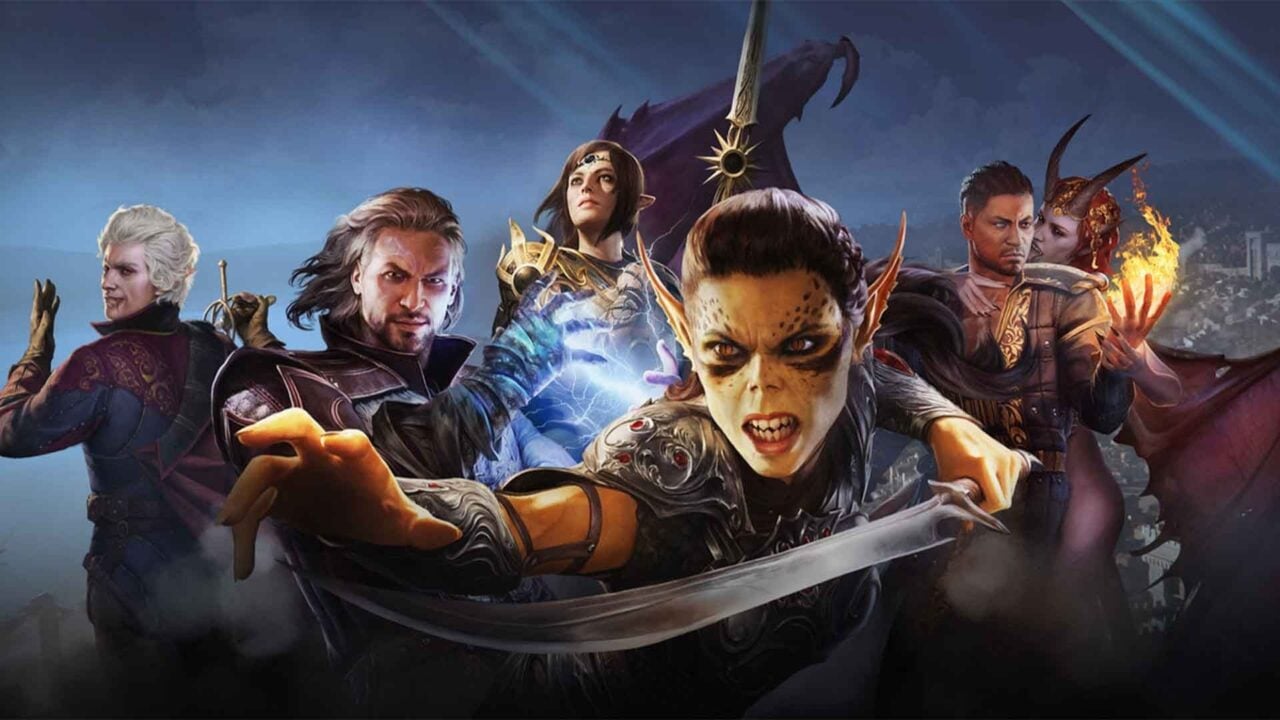
The conclusion of the widely praised series *Stranger Things* has generated much excitement among fans, particularly regarding the thrilling battle sequences that took place in the concluding two-hour segment. The Duffer brothers, the show’s creators, disclosed that this pivotal confrontation was significantly influenced by the renowned video game *Baldur’s Gate 3*, underscoring the blend of classic storytelling and contemporary gaming impact.
As *Stranger Things* finished its nearly ten-year journey on New Year’s Eve, numerous viewers experienced a gripping clash involving legendary adversaries Vecna and the Mind Flayer, along with the cherished characters that have evolved throughout the series. However, responses to the finale were mixed, with some fans voicing disappointment and contemplating the potential for a special episode to resolve outstanding issues.
In an illuminating discussion with *Variety*, Matt Duffer offered perspectives on the creative journey that shaped the finale, highlighting the collaborative element of the climactic showdown. He conveyed that their inspiration originated from the cooperative nature of *Dungeons & Dragons* (D&D), a game integral to the series’ narrative, and the gameplay dynamics of *Baldur’s Gate 3*. Duffer remarked, “We believed it was crucial that the only means to conquer it was for the whole party to unite,” emphasizing the vital role of teamwork in both the series and D&D quests.
The Duffer brothers designed the ultimate confrontation to exhibit each character’s development, stating that by the time they confronted the enemy, they constituted “the ultimate team.” Each character, having resolved their personal challenges, contributes distinct abilities to the battle, reminiscent of D&D tactics where players amalgamate their strengths to overcome daunting adversaries.
Swen Vincke, the studio head behind *Baldur’s Gate 3*, expressed excitement upon discovering this creative influence, commenting on Twitter that it was “pretty cool” to witness their game’s impact reflected in such a cherished show.
Despite the references to video games, Duffer did not elaborate on other influences that may have shaped the fight sequence, highlighting the richness of inspiration that games offer to storytelling. Furthermore, when addressing fan speculations about another secret finale, the Duffers were quick to dismiss this idea, stating, “Obviously, that’s not a real thing.”
As *Stranger Things* closes a significant chapter in television history, its connections to gaming culture through *Baldur’s Gate 3* demonstrate how storytelling continues to progress, drawing from a variety of mediums to enhance narrative complexity and engagement. The interaction between video games and television not only intrigues viewers but also provides new insights into character evolution and plot dynamics.