### CES 2026: A Shift Toward AI Dominance
The Consumer Electronics Show (CES) has long been a hub for unveiling cutting-edge technology, but CES 2026 is noted for a striking shift in focus that has left many attendees and industry observers feeling disheartened. Unlike its predecessors, which showcased advancements in gaming hardware and technology intertwined with artificial intelligence, CES 2026 appeared to succumb fully to what can be termed an “AI Brain” takeover. The heavy reliance on artificial intelligence in marketing and presentations overshadowed practical advancements, leading to a less than inspiring event.
#### Keynote Highlights and Concerns
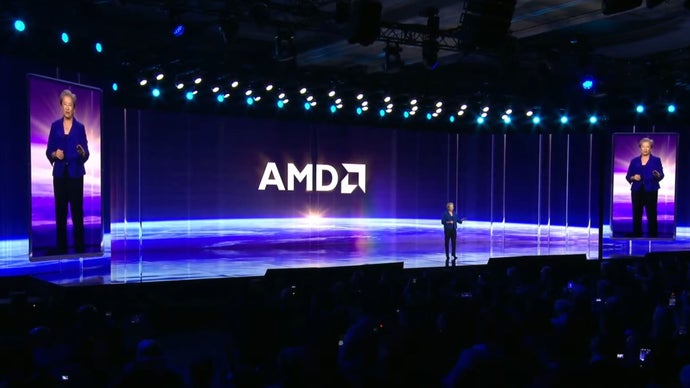
During AMD’s keynote, CEO Dr. Lisa Su led a lengthy presentation that felt more like a spectacle than a substantive showcase of technology. Completing various fictional interviews with tech industry leaders, the hinted innovations seemed more aspirational than achievable. The keynote’s major product revelation, the ‘Ryzen AI 400’ laptop CPUs, was overshadowed by discussions dominated by AI’s potential, raising concerns about whether regulation or genuine innovation was being prioritized.
While the keynote sparked skepticism with its focus on AI, it wasn’t without its bright spots. Among the numerous products introduced, both compelling and desirable devices managed to capture attention—though they struggled to gain the recognition they deserved amidst the AI fanfare.
#### Promising Technologies Amidst AI Hype
Several noteworthy innovations emerged from CES 2026:
– **Lenovo’s Legion Go 2**: With a SteamOS version on the way, this handheld device drew considerable interest among gamers eager for portability coupled with robust performance.
– **Nvidia’s DLSS 4.5 Upscaling**: This new technology represents a significant leap in enhancing gaming visuals through innovative machine learning techniques, deemed less intrusive than other AI applications.
– **Intel’s Panther Lake Processors**: Highlighting advancements in integrated graphics, the performance of the new Arc B390 GPU positions it as a potential game changer in the context of handheld gaming devices.
– **Dell’s Alienware Systems**: Choosing to steer clear of AI-centric marketing, Dell’s new line focuses on core hardware capabilities, a move praised for its clarity and straightforwardness.
Despite these advancements, many of the newer technologies were buried within discussions riddled with corporate jargon and AI buzzwords, detracting from their potential impact.
#### The Underlying Tone of the Event
The notable emphasis on AI at CES 2026 transcended mere marketing strategy and ignited a broader conversation about the future direction of technology and its implications for society. Participating speakers often called for the removal of regulatory barriers to foster AI innovation, igniting debate over the balance between technological advancement and ethical considerations. The stark contrast between AI hype and tangible innovations led to an atmosphere ripe for critical reflection on what future consumer electronics should prioritize.
#### Conclusion: A Call for Balance
CES 2026 may reflect an industry captivated by the allure of AI but risked overlooking the core spirit of innovation through practical hardware advancements. The event illustrated a complex relationship between emerging technology, consumer needs, and regulatory frameworks that must be navigated carefully to ensure a future that benefits consumers rather than merely appeasing shareholder interests.
As the eyes of tech enthusiasts and industry leaders stray from the illustrious potential of AI to the actual devices that define consumer electronics, the future of events like CES will rely heavily on finding a reconciliatory path. The need for products that enhance user experience without getting lost in the hazy promises of artificial intelligence remains more essential than ever.