### The Expectation of “Wolfenstein 3”: A New Era in an Enduring Tale
The revelation concerning the creation of *Wolfenstein 3* has ignited enthusiasm among the franchise’s supporters. MachineGames, the Swedish studio famed for its distinctive storytelling and gameplay mechanics, has viewed B.J. Blazkowicz’s struggle against occult-driven Nazis as more than merely a shooter; they’ve developed a poignant story that touches on themes of family, community, and identity amidst turmoil. From the start, the series has tackled serious topics with a refreshing boldness, and *Wolfenstein 2* especially highlighted the significance of opposing authoritarian beliefs.
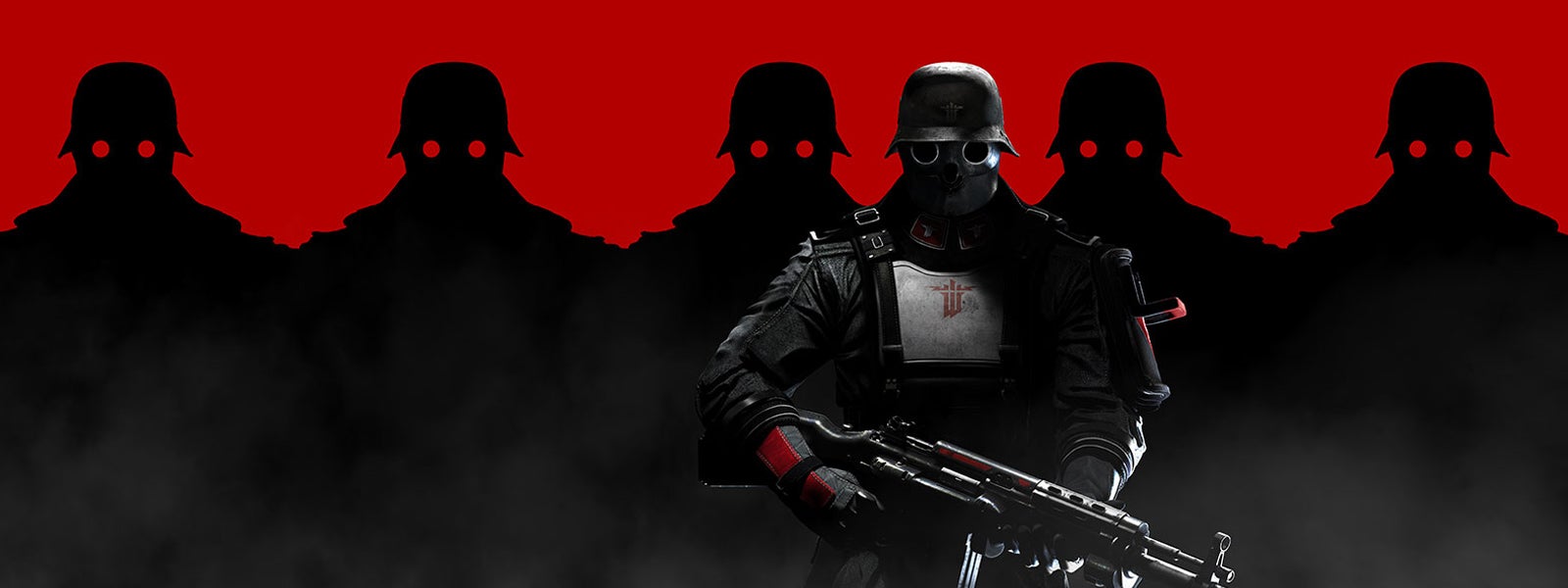
The franchise kicked off with *Wolfenstein: The New Order*, released in 2014, which was praised for its captivating gameplay and narrative substance. This was followed by *The Old Blood*, a standalone expansion that further delved into the universe, with both games marked by their stylized approach and distinctive historical storylines. At a time when numerous first-person shooters (FPS) had transitioned to modern or futuristic settings, *Wolfenstein* remained deeply anchored in its historical backdrop, tackling Nazi ideology head-on.
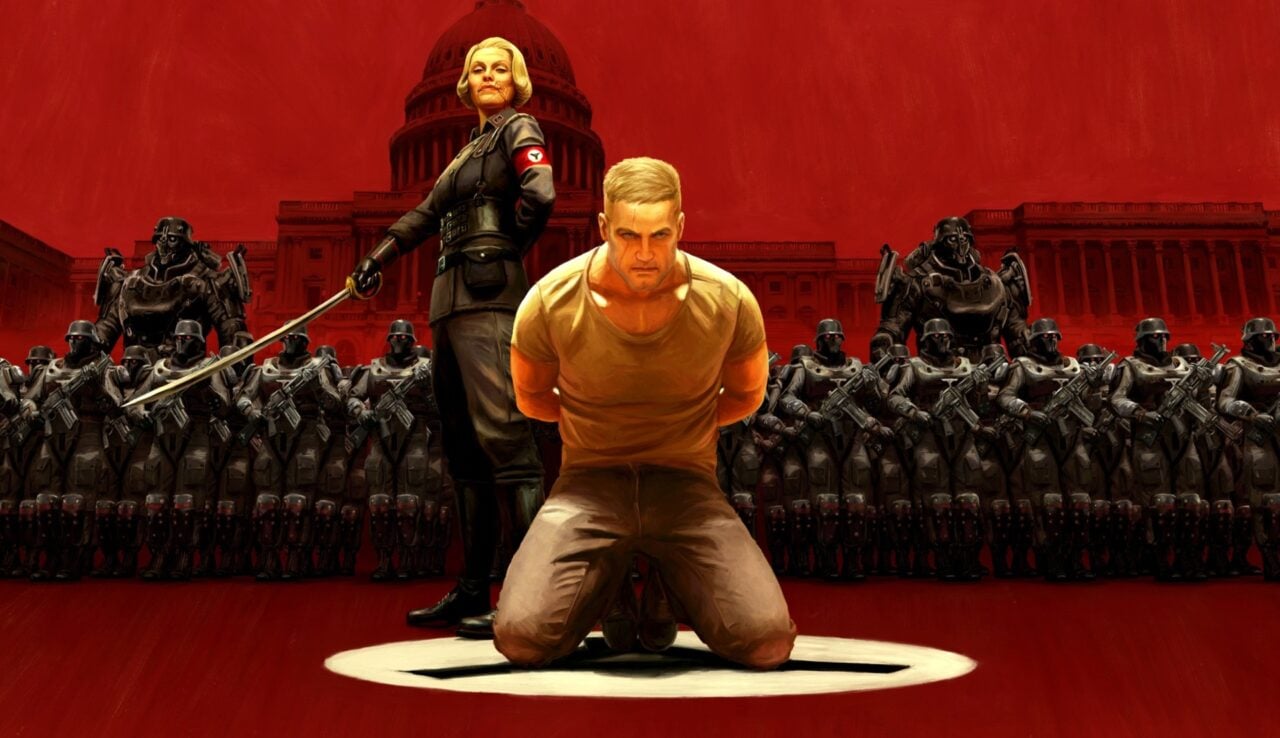
The debut of *Wolfenstein: The New Colossus* in 2017 signified a notable advancement in the series. Its bold marketing campaign clearly opposed fascism and resonated with the political environment of the era, especially during Donald Trump’s presidency. The game’s story explored a dystopian America under Nazi domination, highlighting B.J. and his comrades’ attempts to spark rebellion against the oppressive regime. The striking imagery and themes incited intense discussions surrounding its marketing tactics, leading to varied responses from gamers and critics alike.
Critics voiced concerns regarding Bethesda’s marketing methods, which some argued capitalized on societal tensions for promotional gain. Nevertheless, Pete Hines, then PR director at Bethesda, defended the game’s strategy, stressing the importance of opposing such ideologies.
*The New Colossus* tackled profound issues regarding American identity and moral values, depicting a society where the grim legacy of racism and authoritarianism could not be overlooked. The game’s narrative techniques not only illustrated grand battles but also intimate confrontations, such as B.J. confronting his own abusive father, symbolizing a broader struggle against deep-seated hatred within society.
As we anticipate *Wolfenstein 3*, the historical and social context has shifted significantly since the last episode. With modern developments in politics and social justice initiatives, MachineGames finds itself in a distinctive position to provide commentary that resonates with today’s circumstances. The potential storyline could reflect the current atmosphere of division and the rise of extremist ideologies, echoing the themes of previous games while tackling new hurdles.
The awaited sequel is not just a continuation of B.J. Blazkowicz’s confrontations but a potential examination of the insidious resurgence of authoritarianism. The timing of its launch could align with crucial political landmarks, offering a narrative framework that channels current frustrations into a tale that challenges oppression and injustice.
Ultimately, *Wolfenstein 3* transcends being simply a promising title; it symbolizes the aspiration for a cathartic release amid societal unrest. It aims to prompt players not only to engage in thrilling gameplay but to ponder the implications of history, the essence of evil, and the responsibility of individuals in fighting tyranny. As excitement grows, fans remain optimistic that it will provide the same powerful narrative and emotional impact that have characterized the franchise, acting as a rallying cry against the forces of hatred and oppression that seek to engulf us.