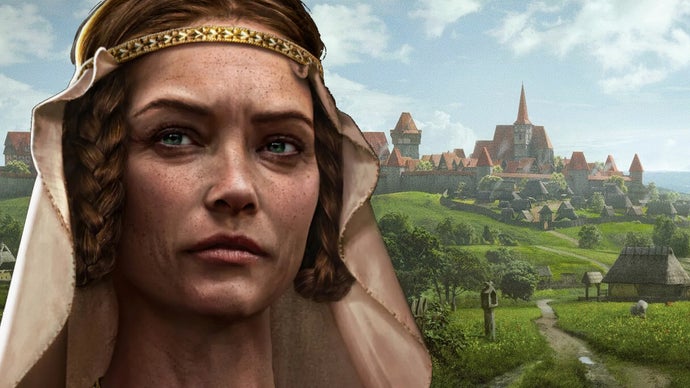
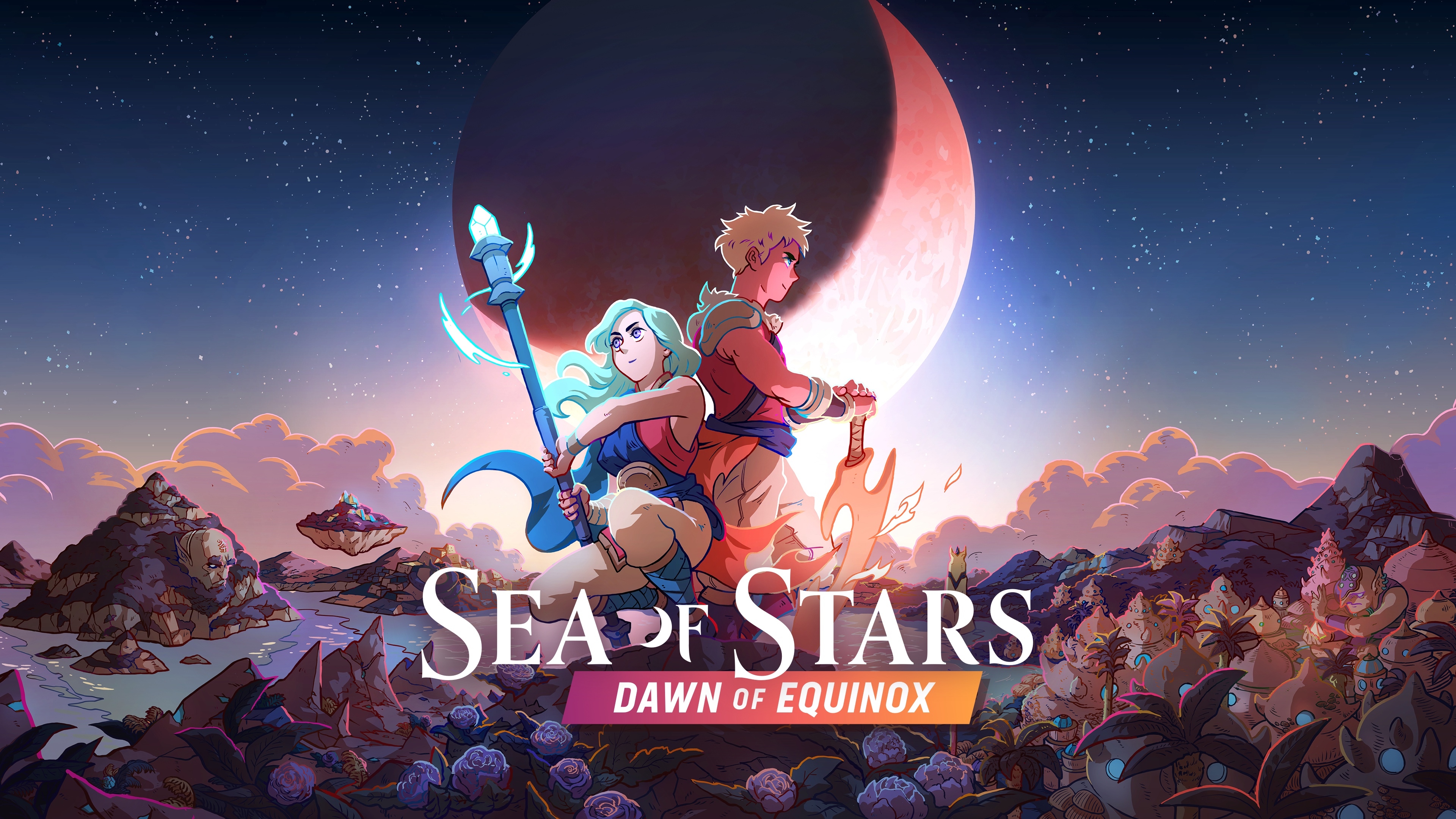
Hooded Horse, the publisher behind titles like Manor Lords and Terra Invicta, has implemented a strict ban on the use of generative AI assets in their game development process. Co-founder Tim Bender has voiced strong opposition to generative AI art, citing ethical concerns and expressing frustration over its impact on the creative process. In a candid interview with Kotaku, Bender emphasized that generative AI’s prevalence has complicated the workflow for developers, stating, “I fucking hate gen AI art and it has made my life more difficult in many ways.” The company’s contracts now explicitly prohibit the use of AI-generated materials, reflecting a clear stance against integrating such technologies into their games.
Bender elaborated on the potential pitfalls of using generative AI for placeholder art, warning developers against the casual use of AI in initial builds. He argued that even well-intentioned prototypes could inadvertently allow for AI-generated elements to slip through final versions of their games. This concern is not unfounded, as evidenced by incidents such as the unintended presence of AI-generated content in other projects.
Hooded Horse’s commitment extends to protecting the creative integrity of their team, including their two employed artists. Bender articulated a personal and ethical obligation to avoid generative AI in their projects, asserting that relying on such technology would feel like a betrayal to his staff. He further acknowledged the challenge of controlling AI usage, especially when collaborating with external partners, reaffirming the company’s zero-tolerance policy. If any AI-generated material is identified in their games, they are prepared to remove it promptly.
While Hooded Horse is taking a definitive stance against generative AI, broader conversations about the technology are needed. The ambiguity surrounding what constitutes AI-generated art calls for clearer definitions and policies in the industry. Current discourse often fails to address the nuanced implications of using generative AI, leading to confusion around its application in creative fields.
Generative AI technology has raised critical ethical debates, especially concerning its impact on human creators. Critics argue that it undermines the work of artists and writers, potentially appropriating their styles and ideas without appropriate credit or compensation. As companies increasingly look toward AI as a solution for labor and cost issues, concerns grow about the technology’s long-term implications for the creative workforce.
Additionally, the rise of AI could contribute to an overall cultural shift where profit-driven decision-making supersedes human connection and creative collaboration. Many industry professionals fear that reliance on generative AI may lead to reduced job opportunities and a devaluation of artistic skills. Despite these challenges, there are arguments for the responsible use of generative AI, particularly among small developers who might benefit from the technology when used ethically.
In summary, Hooded Horse’s ban on generative AI assets underscores a growing concern within the gaming industry about the implications of this technology on creativity and employment. The ongoing debate highlights the need for clear dialogue and policies that address the complexities of generative AI in creative spaces, balancing innovation with ethical responsibilities. As the industry navigates this evolving landscape, it remains crucial to prioritize human artistry and integrity in game development.