**The Dynamics of Game Publishing: Risks, Trends, and the Role of Creativity**
The process of publishing a game entails maneuvering through a complex environment of risks and possible rewards. Developers pitch their creations to publishers with the aspiration that their games will replicate the triumphs of established successes, while publishers assess these proposals with careful scrutiny, looking to invest in paths that yield profit. In this context, the rise of “double-A” games, which fall between indie and triple-A titles in terms of budget and scale, has ignited conversations regarding its influence on the gaming sector.
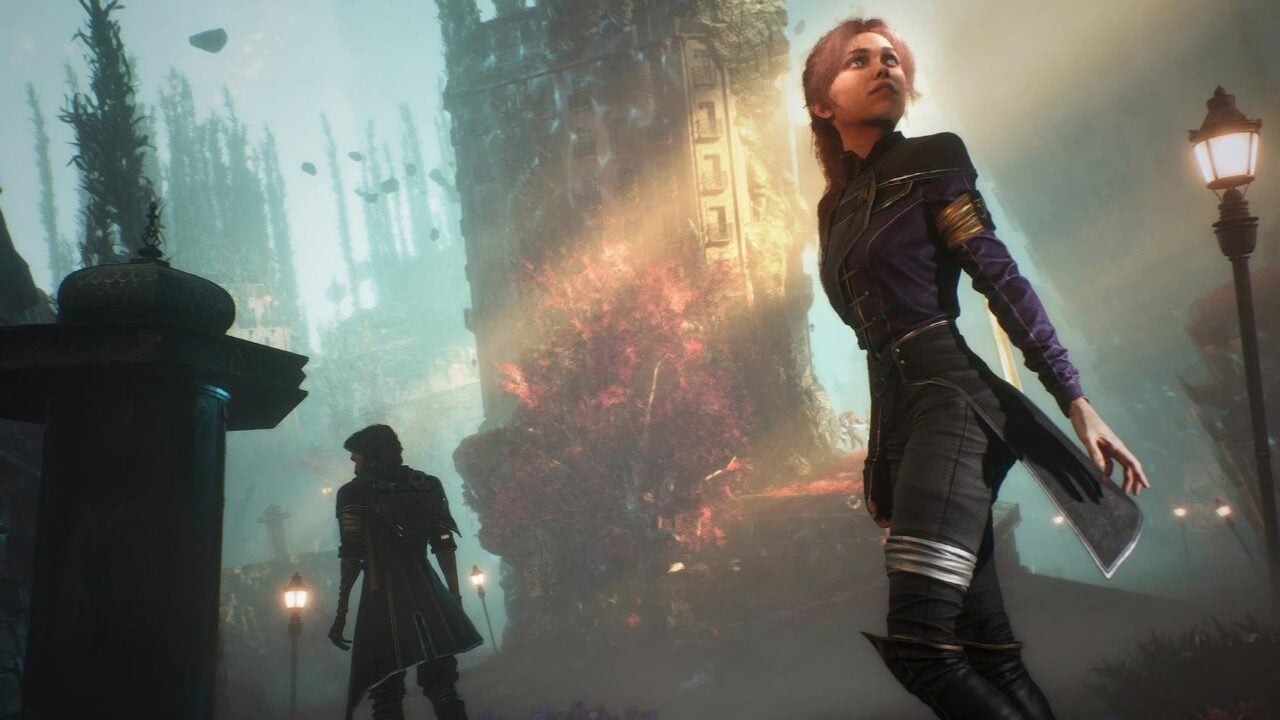
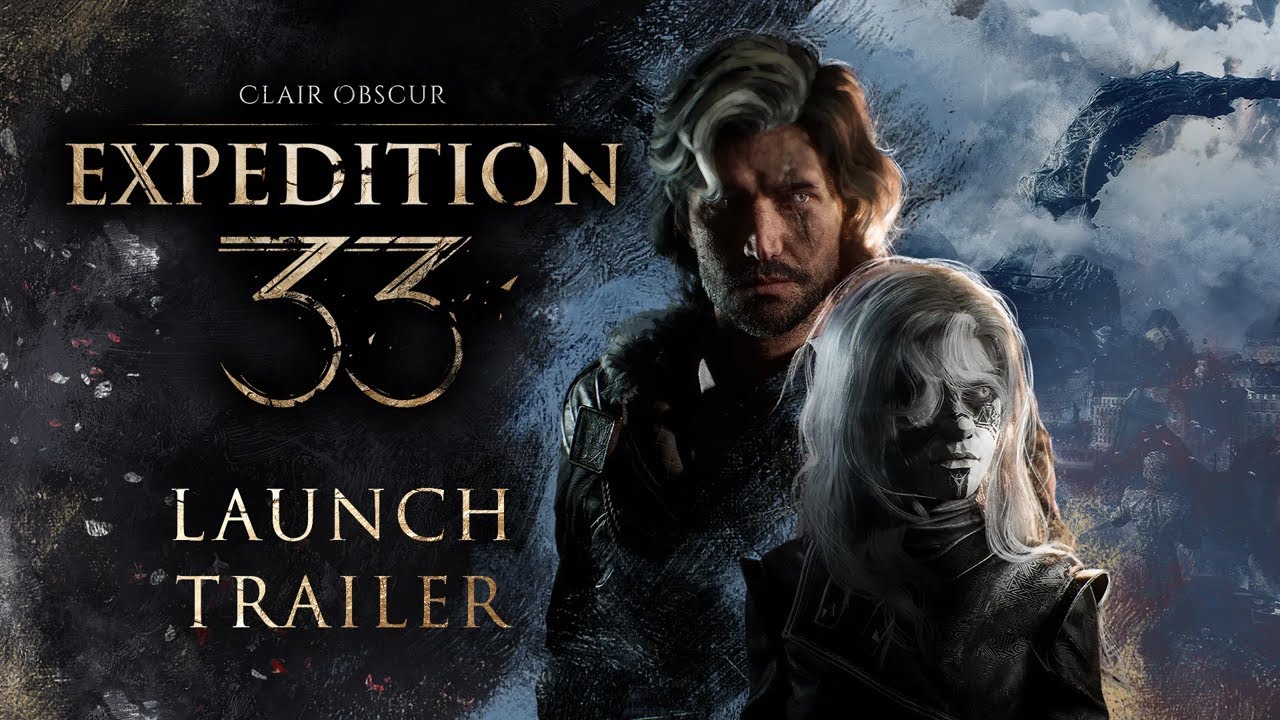
Josef Fares, director of the highly praised game *Split Fiction*, voices apprehension that the success of titles like *Clair Obscur: Expedition 33* might incline publishers to concentrate exclusively on double-A projects. He champions a varied gaming ecosystem that welcomes an array of genres and financial scopes. Fares notes that although double-A games can draw interest, many do not manage to engage the audience’s attention regardless of their quality, underscoring the market’s unpredictable nature.
Fares stresses the importance of a dynamic assortment of gaming experiences, asserting, “We need the diversity. I hope that publishers don’t just look at a game like *Expedition 33*… and think, ‘oh, double-A is a new thing. Let’s only do that.’” He observes that a multitude of double-A releases frequently go unnoticed, highlighting the necessity for equilibrium and diversity in game development.
In the sphere of triple-A titles, Fares recognizes the pivotal function of significant players like Rockstar Games, Naughty Dog, and Nintendo, who challenge creative limits while investing in riskier endeavors. Conversely, Electronic Arts (EA) has been labeled a cautionary example due to its dependence on proven franchises and microtransactions. Yet, Fares stands up for EA, pointing out that the partnership between his studio, Hazelight, and the publisher has been fruitful, stressing the mutual respect and comprehension in their collaboration.
Hazelight’s achievements, propelled by engaging co-op experiences, illustrate the possibilities within games that attract wider audiences, as evident in the sales data of *It Takes Two* and *Split Fiction*. This illustrates that inventive gameplay can achieve considerable commercial success, even within the confines of a larger publishing framework.
As technology advances, Fares also expresses doubt regarding the increasing influence of generative AI in game creation. He notes that while initial AI tools have made remarkable progress, the advancement of technology may plateau or not fulfill the lofty expectations often set by enthusiasts. He argues that the creative vision crucial to game development cannot be adequately substituted by AI, as the distinct human viewpoint is vital in designing engaging stories and experiences.
In conclusion, the realm of game publishing is characterized by complex balancing, where risk is alleviated through tactical decisions, innovation is perpetually sought after, and the significance of creativity remains crucial. As various sectors of the industry, from indie to double-A to triple-A, compete for prominence, the plea for diversity in gaming continues, urging stakeholders to appreciate the importance of varied experiences and daring narratives in shaping the future of the gaming landscape.