As someone who struggles to feel at home with the older entries of The Elder Scrolls series, I’ve found reading through notes from a Dungeons & Dragons game run by developers during the development of Daggerfall to be surprisingly enjoyable. These notes have recently come to light following the death of Julian LeFay, a pivotal figure in Bethesda’s early days, who hosted this campaign along with another notable one.
Scans of these notes have been published by dedicated Elder Scrolls lore enthusiasts from the Unofficial Elder Scrolls Pages and The Imperial Library. A librarian from The Imperial Library noted: “The following documents were recovered from the estate of the late Julian LeFay with great care given to help preserve them by his family and the TES Community.” With the blessing of LeFay’s family and Bethesda, they dedicated a page to honor his impact on The Elder Scrolls and the broader gaming community.
The campaigns that LeFay ran—entitled Sumurset and Dwynnen—played significant roles in shaping the early lore of Tamriel. While the Dwynnen campaign has been known about for some time, the Sumurset campaign was only recently revealed through these newly published notes.
The Elder Scrolls lore communities have long speculated about the origins of The Elder Scrolls series, with whispers that the original concept for Arena stemmed from these D&D games. Enthusiasts on platforms like Blusky shared their excitement about receiving permissions to unveil this treasure trove of lore.
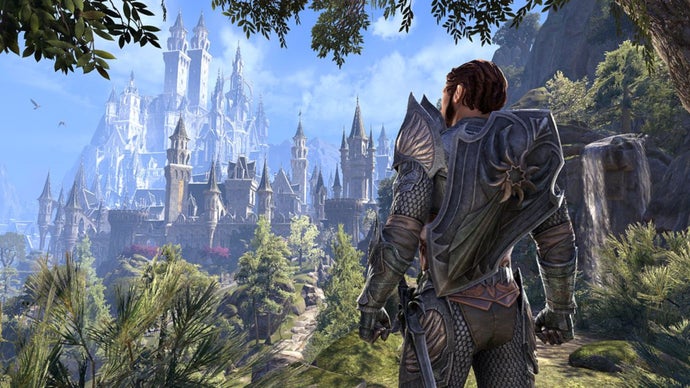
Delving into the notes is a rewarding experience, especially for fans of the series. Among the various character bios typical of any D&D adventure, hand-drawn maps caught my attention. One map depicted the isles of Auridon and Alinor, with major cities clearly labeled. It’s fascinating to see how closely it aligns with modern Elder Scrolls maps of the region, despite significant lore changes—such as Cyrodiil transitioning from a jungle to its current state.
Additionally, the notes provide intriguing insights into Mages Guild founder Vanus Galerion, whose backstory appears to have been largely established during LeFay’s campaign. A note in the margins poses the whimsical question, “How about a witch in the wood?” A list detailing the residences of Vanus’ acquaintances evokes amusing scenarios should they fall into the wrong hands.
Descriptions of Altmer nobles and barons offer comic relief, illustrating how entertaining it would be to engage with pompous High Elven aristocrats in a future Elder Scrolls title. For instance, the character Alastor is noted as “ill-natured and mean-spirited,” loathed by everyone, yet indifferent to their disdain due to his immense power. This characterization sets the stage for potential quests involving the Dark Brotherhood.
Another character, Deryk, presents an interesting dynamic with his twin sister, with whom he has been locked in a century-long struggle for control of their barony. Their ongoing feud offers quirky quest possibilities, perhaps involving comedic elements reminiscent of classic Elder Scrolls humor.
Overall, these notes not only revive interest in Julian LeFay’s contributions to The Elder Scrolls but also serve as a reminder of the rich lore and storytelling potential awaiting exploration. Even for those without an immediate interest in Bethesda’s upcoming releases, these artifacts are valuable for chronicling the foundations of a beloved series.