
**The Evolution of Zenimax Online Studios: From Layoffs to New Directions in The Elder Scrolls Online**
Last year proved to be a challenging period for Zenimax Online Studios, the development team behind the popular MMORPG, The Elder Scrolls Online. Executive producer Susan Kath reflected on these difficulties, particularly in the wake of significant layoffs initiated by Microsoft as part of widespread reductions across its business units. In 2025, despite Microsoft’s CEO Satya Nadella announcing a record performance with a 15% increase in revenue, the company made substantial cuts that affected a large portion of Zenimax Online Studios’ workforce.
In the aftermath of these layoffs, Zenimax Online Studios announced a strategic shift from their traditional model of releasing major expansions every 12 to 18 months to implementing smaller, more frequent updates every three months. This change raised immediate concerns about the studio’s capacity to manage larger content releases. However, Kath pointed out that this transition was not a direct response to the layoffs but had been in development for over a year prior to the cuts. The studio was already making moves to streamline focus and shift their approach to content delivery long before these changes were imposed by external factors.
A significant aspect of this new direction was the cancellation of Blackbird, an unannounced project that would have marked Zenimax’s first new title in over a decade. The cancellation reflected a broader trend within Microsoft, where several titles, including notable projects like The Initiative’s Perfect Dark and Rare’s Everwild, faced similar fates during the layoffs. Nonetheless, Zenimax Online Studios continued to operate, reallocating resources from the canceled projects to focus entirely on The Elder Scrolls Online. Kath indicated this transition actually allowed the studio to increase its workforce devoted solely to the MMO, hence retaining the capability to produce significant updates, albeit through a different framework.
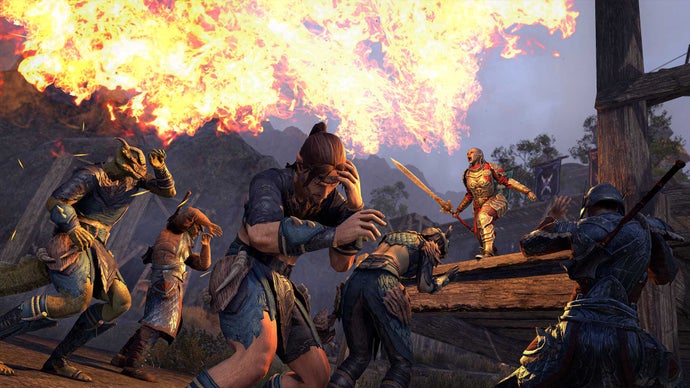
The move towards seasonal updates also aims to address long-standing player feedback and refresh older elements of the game. According to Nick Giacomini, the focus on smaller, seasonal updates allows the team to overhaul aspects of The Elder Scrolls Online that the previous expansion-based model hindered. Each season will introduce improvements to character classes, beginning with the Dragonknight in Season Zero, emphasizing the commitment to evolving gameplay mechanics and ensuring a continual sense of growth within the community.
Despite the challenges posed by the layoffs, there remains a sense of optimism within the team who express excitement for the new direction. Giacomini acknowledged the emotional impact of the layoffs but emphasized the team’s resilience and focus on the future of The Elder Scrolls Online. The vision is clear—maintaining the game as a vibrant, long-term home for players, aiming for a lifespan of at least 30 years.
The journey towards smaller, more manageable updates mirrors a common trajectory within many established MMOs that need to harmonize their extensive existing frameworks with the expectations of their player bases. As seen in examples like Rainbow Six Siege’s Operation Health or Runescape’s seasonal improvements, studios often face difficult decisions that may inadvertently put their ambitions into question.
Moving forward, however, the decisions made by Zenimax Online Studios will undoubtedly be viewed through the lens of Microsoft’s cutbacks—the scrutiny of their ambition and direction likely continuing amidst the existing backdrop of workforce reductions. Thus, the evolution of The Elder Scrolls Online reflects not only the dynamism of game development but also the broader challenges and adaptations within the industry itself.