### Exploring the Themes and Gameplay of “Zero Parades”: A New Addition to the Disco Elysium Universe
The recent Next Fest demo of “Zero Parades,” a much-anticipated CRPG emerging from ZA/UM, has generated significant intrigue, especially in light of the company’s tumultuous recent history. As a spiritual successor to “Disco Elysium,” it attempts to blend the balance of existential exploration and social commentary, while carving its own identity. This article delves into the game’s narrative, characters, thematic elements, and gameplay mechanics.
#### Narrative Themes and Character Dynamics
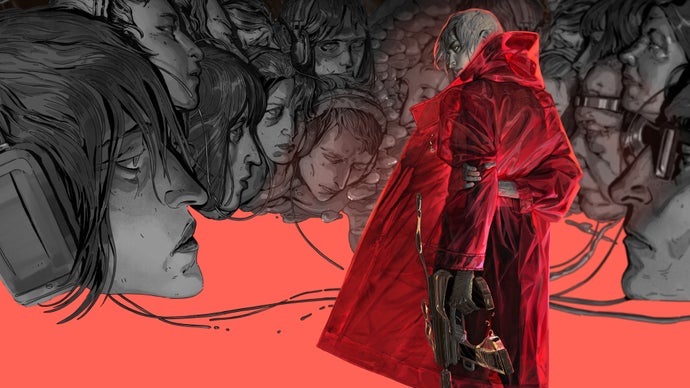
“Zero Parades” presents a world where capitalism and internal conflicts shape the lives of its characters. The protagonist, Hershel Wilk, operates within a spy agency called the Operant Bureau, reflecting a convoluted journey of loyalty, betrayal, and self-discovery. In the demo, the opening scenario starkly contrasts with that of “Disco Elysium,” as Wilk steps into the aftermath of a crisis involving her partner, who lies incapacitated. This inversion serves to set the stage for Wilk’s quest to not only uncover the truth behind her partner’s condition but also her own past entanglements.
While Hershel is positioned as a spy, her character echoes the archetype of a chaotic protagonist akin to Harry Du Bois. The internal dialogues, notably personified by the character named Statehood, channel revolutionary sentiments against the forces of capitalism, reminiscent of the philosophical and ideological debates present in “Disco Elysium.” This duality of humor and gravity will likely engage players on both an intellectual and emotional level.
#### The World of Portofiro
The game’s setting, Portofiro, is described as a more polished yet less characterful area compared to Revachol, the backdrop of “Disco Elysium.” This environment is heavily populated with various factions and social structures, adding layers of complexity to the gameplay. The details provided about Portofiro, such as bustling bazaars filled with counterfeit goods, emphasizes the game’s embrace of commerce and espionage, while hinting at deeper narratives surrounding labor conflicts and societal upheaval.
Moreover, recurring elements like the Weeping Eye—a secretive faction within the espionage world—suggest that “Zero Parades” may further expand the lore established in “Disco Elysium,” offering a more intricate narrative tapestry.
#### Gameplay Mechanics
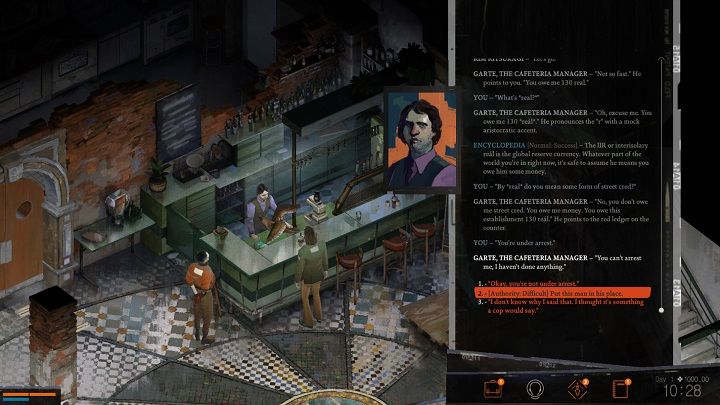
One notable aspect of “Zero Parades” is the introduction of new gameplay elements that diverge from “Disco Elysium.” Along with familiar dialogue mechanics, players encounter real-time sequences, which require skill checks to progress. This provides a new layer of interactivity, although the demo’s favorable mechanics might not fully illustrate the potential complexity of these scenarios.
In terms of character management, Wilk faces unique challenges with health indicators reflecting anxiety, fatigue, and delirium. This nuanced approach aims to deepen the tactical gameplay experience, promoting a more intricate balance between psychological well-being and operational success. However, in the demo, these indicators did not fully impact gameplay, leaving questions about their long-term significance.
#### Conclusion: Potential and Uncertainty
“Zero Parades” emerges from the shadow of “Disco Elysium” with an intriguing premise that simultaneously honors and diverges from its predecessor. While the demo showcases rich character interactions and hints at a deep narrative, it also raises concerns about the balance between homage and originality. The mixed feelings experienced during gameplay echo the complex emotions tied to the larger narrative of ZA/UM and its recent challenges.
As players await the full release, the potential for “Zero Parades” to carve out its own identity within the same universe remains a topic of lively speculation. With its blend of espionage mechanics, existential questions, and social critique, it certainly holds promise, but whether it will achieve its ambitions remains an open question.