
### The Debate Surrounding Ruairí Robinson’s AI Video Assertion
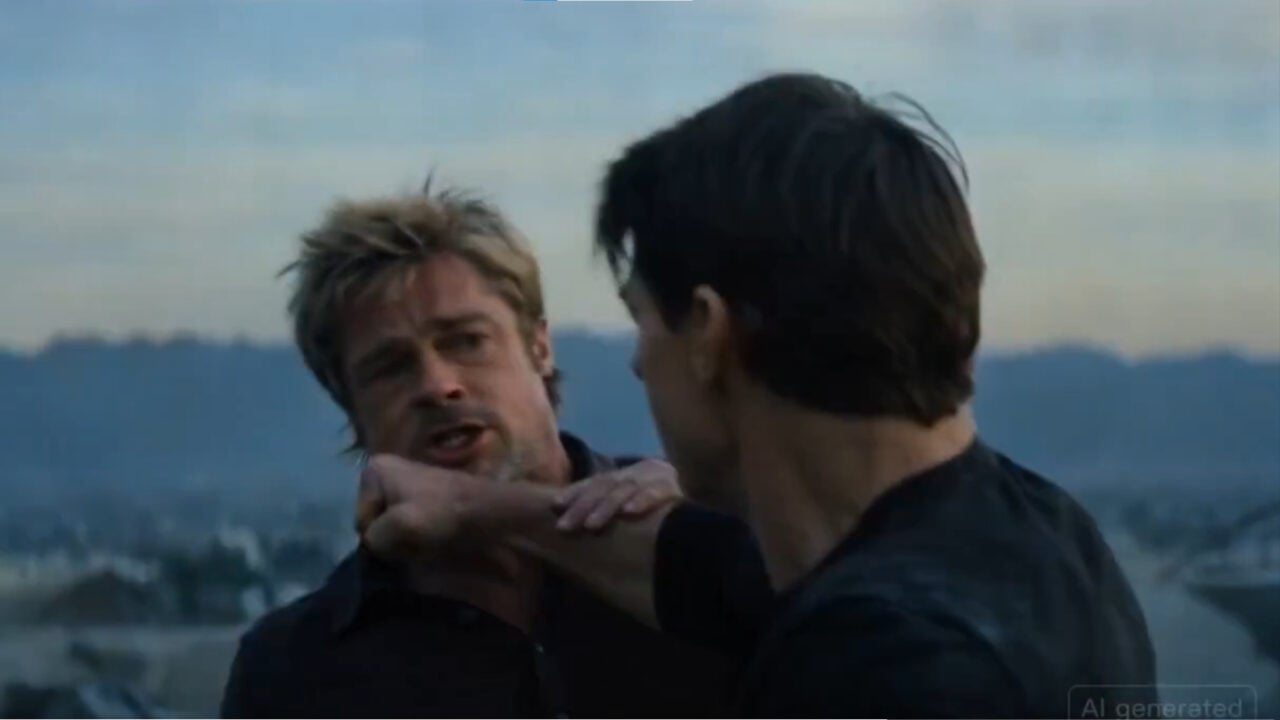
On February 10, 2026, filmmaker Ruairí Robinson drew attention with a provocative statement on X (formerly Twitter). He alleged that an intricate video featuring actors Tom Cruise and Brad Pitt in a fight scene was created using only a two-line prompt with the AI tool Seedance 2. Robinson’s claim, bolstered by supplementary footage, sparked conversations in the film and tech sectors about the capabilities of AI in video creation. However, as the discussions progressed, it became evident that Robinson’s assertions might not hold up under examination.
#### The AI Video Breakthrough?
Robinson’s message implied that if his assertion was accurate, it would signify a revolutionary milestone in AI video technology. For years, AI advocates have vowed astonishing developments, yet often deliver disappointing outcomes deemed as “snake oil.” The video in question, known for its exceptional choreography, high-quality cinematography, and adept lighting, seemed to surpass the shortcomings typically seen in other AI-generated videos.
Nonetheless, the actual scenario of AI video generation has frequently been hindered by irregularities, especially in replicating natural camera movements. Aron Peterson, a writer and software developer experienced in film production, began to doubt Robinson’s narrative. Peterson’s investigation into Seedance 2.0, the AI tool responsible for the video, revealed concerning findings.
#### Revealing the Facts
Peterson’s inquiry into the functionalities of Seedance 2.0 indicated that although the tool is indeed impressive, the illustrative video may not have been as simple as Robinson indicated. Citing earlier demonstrations of AI video creators, Peterson observed a recurring problem with mimicking authentic camera movements. However, the Cruise/Pitt video demonstrated believable camera movement, raising doubts about its legitimacy.
Further examination led Peterson to find that the footage shown in the Seedance 2.0 demonstration closely mirrored pre-existing green screen clips of stunt performers executing similar fight choreography. This prompted Peterson to conclude that rather than relying solely on AI-generated elements, the end result likely included combining existing footage with face swap technology—a technique that would undermine the claim of being completely AI-produced.
Peterson questioned, “Was the input genuinely just a 2 line prompt, or was it in fact 2 lines, green screen video footage, and face references as well?” His findings were reinforced by comparisons he uploaded on YouTube, shedding light on the difference between authentically innovative AI functions and the repurposing of existing content disguised as new creation.
#### The Consequences
The discussions surrounding Robinson’s claim underscore ongoing conflicts between technological progress and authenticity in filmmaking. As David Slack, a television writer, notably stated, “In other words, like most AI hype — it was a con.” This perspective resonates with individuals who recognize AI’s potential yet remain wary of its existing shortcomings and ethical concerns.
As the film industry contends with the rise of AI technology, this incident serves as a reminder to critically scrutinize extraordinary assertions. The allure of an AI-led future in visual storytelling is appealing; however, it is vital to differentiate between genuine innovation and exaggerated narratives that could impede advancement in the future. The debate ignited by Robinson’s assertion may just mark the onset of a larger dialogue concerning the amalgamation of technology and creativity in visual media.