### The Current State of Storage Solutions: HDDs vs. SSDs
As consumers navigate the ongoing landscape of soaring storage prices, particularly for solid-state drives (SSDs), many have turned their attention to mechanical hard drives (HDDs) as a more budget-friendly alternative. However, recent developments from leading HDD manufacturers, Western Digital and Seagate, have thrown a wrench into those plans. Both companies recently announced that they have sold “pretty much” all of their mechanical drive stock that was originally allocated for 2026, signaling potential shortages in the near future.
#### Supply and Demand Dynamics
This situation was detailed in earnings calls conducted in January, where Western Digital’s CEO, Tiang Yew Tan, expressed that they have maximized production through 2026 and already secured robust commercial agreements for 2027 and 2028. Similarly, Seagate’s CEO, William Mosley, indicated that the company’s HDD output is “fully allocated” for the remainder of the year. These statements indicate a strong demand for HDDs, primarily driven by significant bulk purchases from large tech companies focused on expanding their data center capacities to support artificial intelligence (AI) applications.
#### Impacts on the Consumer Market
The increasing demand from big tech entities for HDDs, which have provided a somewhat affordable option for expanding storage space, has resulted in shortages and rising prices for everyday consumers. The competition for these drives is fierce, as the same companies are also contributing to ongoing shortages and price hikes in the SSD and RAM markets. These tech giants are prioritizing their infrastructure needs over those of individual PC users, causing frustration for consumers who are left with fewer affordable options.
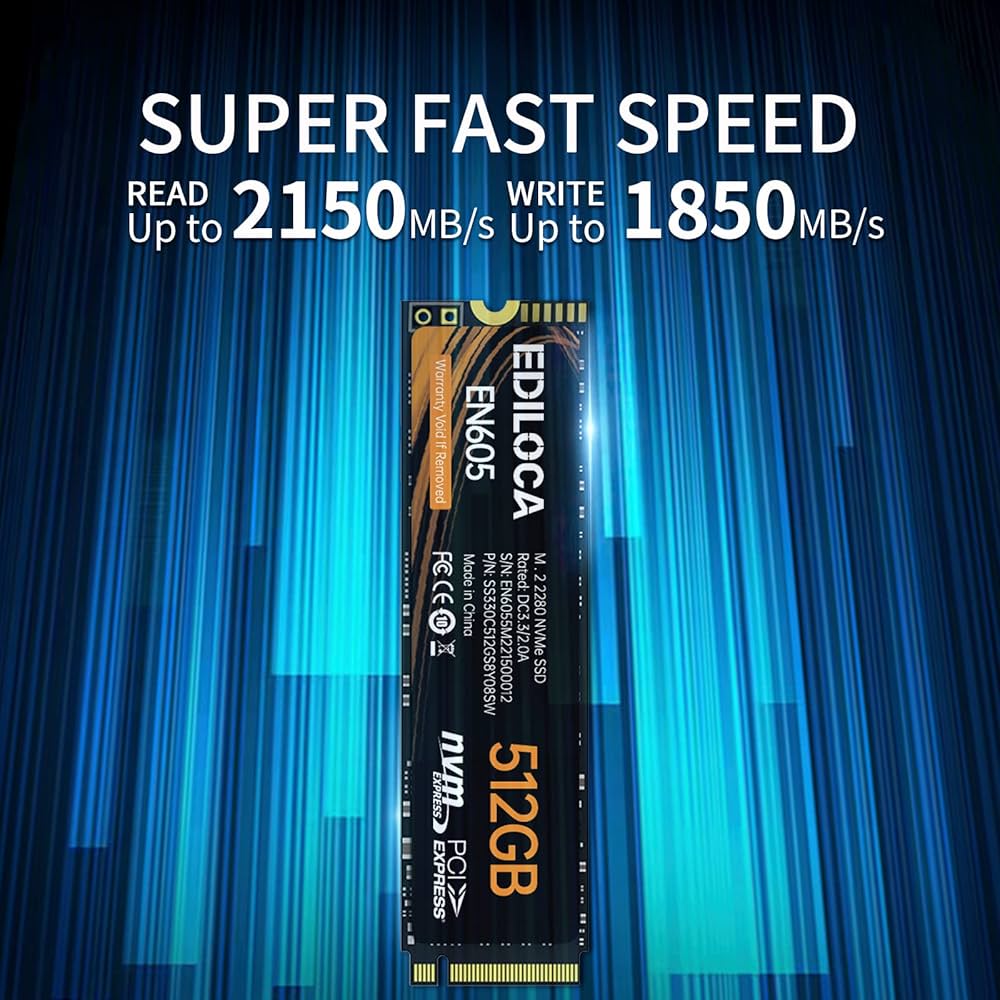
The surge in HDD purchases is especially troubling as it compounds the challenges faced by the SSD market. With HDDs becoming scarce, the reliance on SSDs as the primary storage medium will grow commensurately, leading to even tighter supplies and escalating prices for these faster, more expensive drives. The implications of this trend are significant, particularly for gamers and content creators who rely on efficient and affordable storage solutions.
#### Current HDD Market Landscape
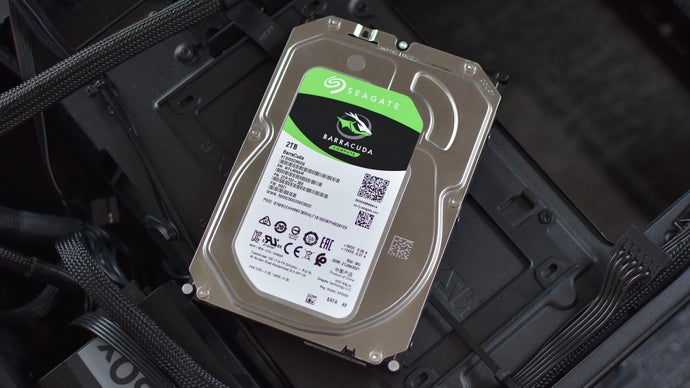
Despite the shortages looming on the horizon, it appears that not all hard drive supplies have dried up just yet. Current prices suggest that while HDDs remain cheaper than their SSD counterparts, they too are experiencing a troubling pricing trajectory. For instance, a 1TB Seagate Barracuda drive is currently listed at £80, a noticeable increase from £52 in January and £43 in December of the previous year. As large-scale buyers continue to monopolize stock, these prices may not see a downward trend anytime soon.
#### Recommendations for Consumers
Given this uncertain landscape, many hardware specialists suggest that consumers considering a PC upgrade should carefully evaluate their current storage options before making any purchasing decisions. The general consensus is that if users can continue with their existing components—whether HDDs or SSDs—it may be prudent to wait for economic conditions to improve. The hope is that by 2027, both supply and pricing issues will stabilize, allowing consumers to make more informed and financially sound purchasing choices.
In conclusion, while HDDs currently provide a potential alternative for budget-conscious consumers, the market dynamics driven by large tech companies’ needs may ultimately lead to continued scarcity and rising prices. For now, patience may be the best strategy as consumers await a more balanced and equitable storage market.