
**Ubisoft Layoffs at Toronto Studio Amid Restructuring Efforts**
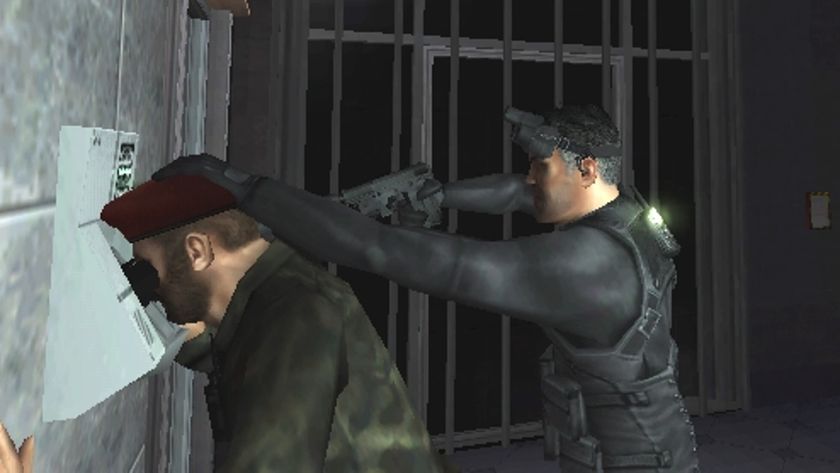
Ubisoft has announced the layoff of approximately 40 employees at its Toronto studio, which is currently working on the remake of the iconic game Splinter Cell. This reduction in workforce represents around eight percent of the studio’s overall headcount and is part of Ubisoft’s broader strategy to cut costs following a significant restructuring of operations supported by Tencent funding.
The company is looking to reduce fixed costs by €200 million over the next two years, which has led to similar layoff proposals in other locations, including a reported intention to cut up to 200 positions at its Paris headquarters. This restructuring and downsizing come as Ubisoft aims to streamline its operations amidst financial pressures.
In response to the layoffs, a spokesperson from Ubisoft stated, “This decision was not taken lightly and does not in any way reflect the talent, dedication, or contributions of the individuals affected.” The company has promised to provide comprehensive severance packages and career placement assistance to those affected by the job cuts.
Internal communications suggest that despite the layoffs, Ubisoft Toronto will still play a significant role in various projects, including the development of the Splinter Cell remake, which was initially announced in 2021 as a project utilizing the Snowdrop engine. However, details regarding the game’s development have been scarce since the announcement, raising concerns about its future.
Interestingly, Splinter Cell does not fall within the trio of franchises identified by Ubisoft management as high-potential “billionaire brands.” This categorization places the project at a greater risk of termination, given the company’s current financial austerity measures. However, as Ubisoft has yet to cancel other long-anticipated games, such as Beyond Good and Evil 2, the future of the Splinter Cell remake remains uncertain.
The recent layoffs and reorganization are part of a larger trend within Ubisoft, which has seen the cancellation of six games, delays of seven others, and closings of several studios since the beginning of the year. Additionally, the company has shifted to a new Return to Office (RTO) policy, which includes offering staff a limited number of home working days annually, further stirring discontent among employees.
In protest against these changes, hundreds of Ubisoft employees have participated in strikes, signaling widespread dissatisfaction with the ongoing restructuring efforts and their impact on job security and working conditions. As Ubisoft continues to navigate these challenges, the gaming community watches closely for updates on the status of beloved franchises like Splinter Cell.