**Finji’s Confrontation with TikTok Regarding AI-Created Advertisements: A Case Analysis of Copyright and Ethical Issues**
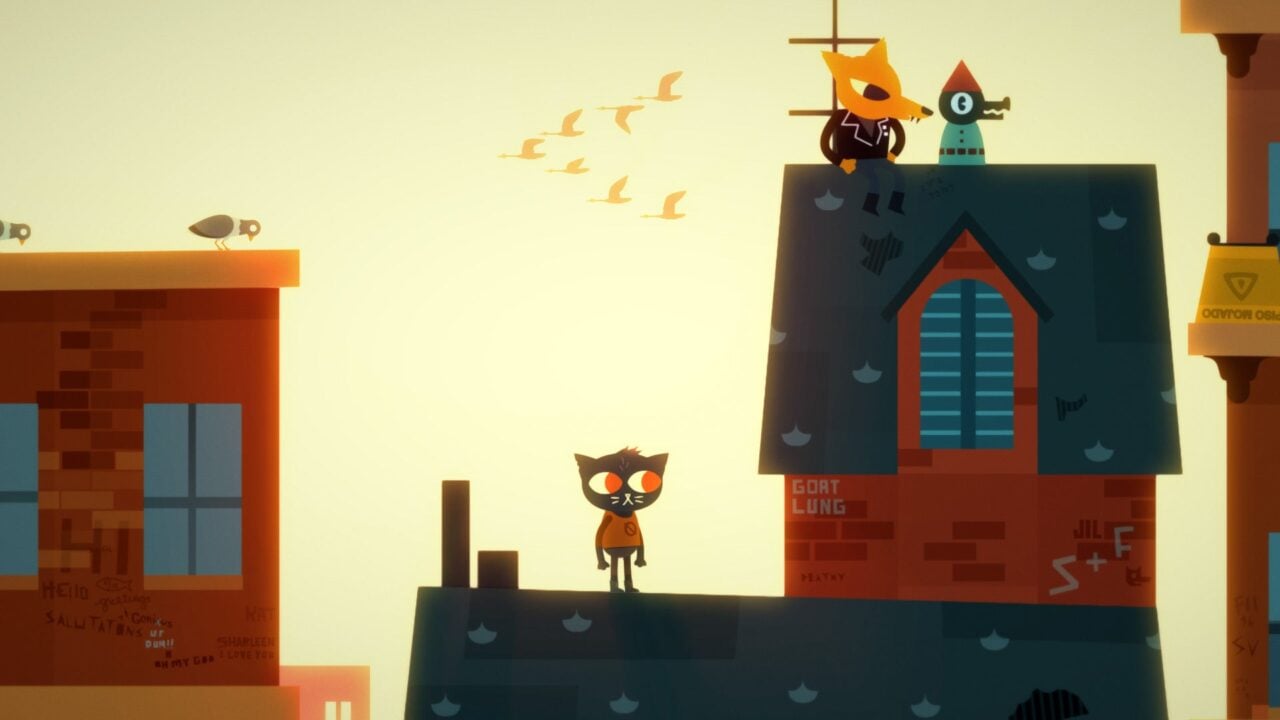
Finji, an independent game publisher famed for titles such as *Night in the Woods* and *Tunic*, is presently entangled in a conflict with TikTok over the unauthorized appropriation of its characters in AI-created ads. This predicament brings to light pressing concerns pertaining to copyright, the incorporation of AI in advertising, and the risk of harmful stereotypes within digital media.
### Context of the Conflict
The issue arose when Finji CEO Rebekah Saltsman alerted the gaming community about advertisements that were misaligned with the company’s branding and characters. On the social media site Bluesky, she encouraged anyone who spotted ads that diverged from Finji’s style to submit screenshots. These ads, reportedly generated by TikTok’s AI system, seemed to misrepresent characters from Finji’s games, particularly the forthcoming paranormal adventure *Usual June*.
Despite Finji’s adherence to TikTok’s supposedly optional AI configurations, the company uncovered AI-generated ads displaying modified versions of its characters. One of the most alarming instances featured a distorted image of June—illustrated in an inappropriate and sexualized fashion that perpetuated harmful racial stereotypes, underscoring ongoing issues of representation in media.
### TikTok’s Reaction and Corporate Exchanges
Finji’s efforts to address the situation with TikTok were met with what the company characterized as evasive responses from customer support. TikTok initially refuted the presence of AI-generated elements in the objectionable ads and claimed that Finji must have uploaded the altered images independently. This reply triggered frustration within Finji, as it not only questioned the authenticity of their work but also the employment of AI technologies in advertising.
After escalating their concerns, TikTok eventually admitted that unauthorized modifications had been made to Finji’s ads. However, the social media platform neglected to confront the larger ramifications of the racist and sexualized depictions crafted by the AI. Instead, TikTok referred to a catalog ads format utilized in the campaign intended to enhance ad performance, asserting that opting out of such features was not guaranteed.
### Ethical Concerns of AI in Advertising
Saltsman’s response to the situation was one of ire and disappointment, indicating that her team’s work integrity and Finji’s reputation had been undermined. She conveyed a longing for a formal apology and for TikTok to reconsider the ethical standards governing AI technology, specifically underscoring its tendency to reinforce discriminatory stereotypes.
This incident prompts crucial inquiries about the ethical ramifications of employing AI-generated content in advertising. As companies increasingly delve into AI technology, the risks of inadvertent harm, particularly concerning representation and respect for copyrights, are considerable. The Finji case exemplifies the necessity for clearer guidelines and accountability in the interaction of AI with creative works.
### Conclusion
The current situation between Finji and TikTok acts as a warning for the gaming industry and beyond, highlighting the need for ethical benchmarks in AI utilization. As technology progresses, the significance of safeguarding creators’ rights and ensuring respectful representation in digital media will be crucial. Whether this issue leads to broader systemic changes within TikTok and the advertising sector is yet to be determined, but for companies like Finji, the battle for their work and dignity against corporate oversight is far from concluded.