**WARNING: Major story spoilers for Yakuza Kiwami 3 & Dark Ties, as well as the original Yakuza 3, lie ahead.**
It’s natural to contemplate alternate scenarios in game narrative progression; the allure of what could have been remains a common theme among gamers. However, most studios stick to the original tales of their remakes due to the risk associated with altering beloved stories. Remasters typically aim at enhancing visuals while maintaining core gameplay mechanics, similar to how Bethesda approached the remaster of *Oblivion*, keeping changes minimal and focused on modernization rather than rewriting history.
This conservatism is particularly noteworthy with RGG Studio’s choice to fundamentally alter the conclusion of *Yakuza 3* in its remake, *Yakuza Kiwami 3* and its accompanying prologue *Dark Ties*. This alteration provokes curiosity rather than frustration, especially for players familiar with the original storyline.
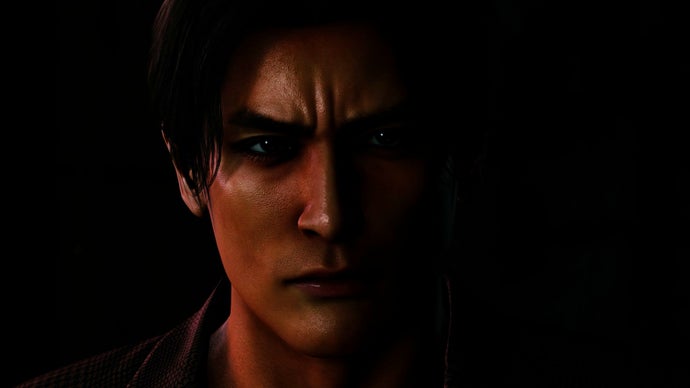
In the original *Yakuza 3*, the antagonist Yoshitaka Mine meets his demise by falling from the Touto University Hospital’s rooftop, symbolizing punishment for his betrayal against Daigo Dojima, the Tojo Clan chairman. Although this conclusion is fitting for his character, it leaves a sense of disappointment, as Mine had the potential to offer a more significant and layered conflict against protagonist Kazuma Kiryu.
Throughout the *Yakuza* series, villains need to transcend the role of mere obstacles for the hero; they require depth and emotional connection, much like Akira Nishikyama or Ryuji Goda, who not only present memorable threats but also embody charisma and a complex relationship with Kiryu. Mine’s character, however, suffered due to limited screen time, being largely forgotten after his defeat.
In *Kiwami 3*, rather than falling to his death, Mine remains alive, landing in a bush. His survival opens up new narrative avenues, including his involvement in preventing another antagonist, Goh Hamazaki, from attacking Kiryu. In a pivotal exchange, Mine persuades Hamazaki to reconsider his attack, noting that Kiryu’s life is one of perpetual turmoil, rife with struggles against his own violent inclinations. This dialogue enriches the narrative, spotlighting the complexities of Kiryu’s existence while recharacterizing Mine as an analytical villain who understands the hero’s plight.
The removal of the scene where Hamazaki attempts to stab Kiryu is less impactful than it appears. While it sets a backstory for Kiryu’s imprisonment in *Yakuza 4*, it also shifts the focus from Mine’s fate being tangled with his relationship to Daigo Dojima. This potential separation invites the possibility of further interaction between Mine and Daigo in future installments.
Though retconning often invites debate among players, the revised ending for *Yakuza 3* feels like a meaningful evolution, especially when considering Mine’s post-credits intentions of leading Hamazaki down a darker path involving an elusive figure known as The Fixer. This hints at the potential for a Mine-centered spin-off, *Dark Ties*, which explores his ascent in the Tojo Clan, echoing themes of transformation as he claims to have erased his former self, presenting diversified storytelling within a series primarily focused on the heroes.
However, such a shift comes with its concerns. Mine’s story arc remains tied to foundational issues given past controversies surrounding his portrayal by actor Teruyuki Kagawa. The success of stories in the *Yakuza* universe, particularly when exploring darker themes, depends on RGG’s ability to navigate these sensitive narratives without diluting engagement or reinforcing problematic portrayals.
RGG Studio has exhibited significant storytelling prowess in the *Like A Dragon* series, addressing various societal issues with finesse. The challenge ahead is to ensure that the spin-off of Mine leverages these strengths while avoiding pitfalls that could undermine the narrative quality.
As RGG embarks on this new territory, the reception of these deliberate narrative shifts remains to be seen. The ambition to innovate upon established lore, while rooting themselves in complex character explorations, could transform the *Yakuza* narrative landscape—if executed well, it may prove beneficial for the series’ evolution.