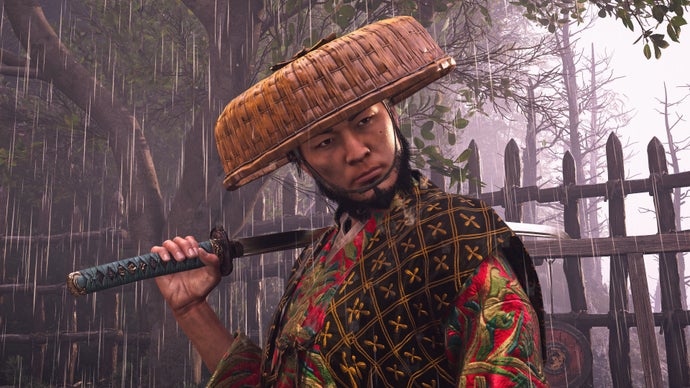
Ubisoft’s CEO Yves Guillemot has confirmed the development of new titles within the Assassin’s Creed and Far Cry franchises, as well as several unannounced original projects. This announcement comes from a recent interview with Variety, where Guillemot shared insights into the company’s ongoing transformation into creative hubs centered around specific games and genres. As part of this strategic shift, Ubisoft plans to reduce fixed costs by €200 million, which has already resulted in the cancellation of several projects and the closure of two studios, with potential layoffs hinted at for the future.
Guillemot articulated that the €200 million cost reduction would involve selective restructuring and emphasized a disciplined approach to workforce management. This approach includes prioritizing voluntary departures and carefully controlling new recruitment efforts. Additionally, he mentioned that the company is implementing various measures to streamline operations, which include cutting some expenses, halting or adjusting certain projects, enhancing production processes, and making better use of available tools.
The CEO acknowledged that the gaming industry experienced rapid growth following the Covid pandemic, yet the sustained demand anticipated did not fully materialize. This miscalculation led Ubisoft to undertake too many projects, complicating their operations. The current focus is to establish a more streamlined and agile organization, combining seasoned expertise and youthful talent, to deliver high-quality gaming experiences.
Despite these efforts, skepticism remains regarding the company’s management structure, especially following Guillemot’s decision to appoint his son, Charlie Guillemot, as co-CEO of Vantage Studios, which is designated to oversee major franchises like Assassin’s Creed, Far Cry, and Rainbow Six. Critics have raised concerns about nepotism, particularly given Charlie’s limited experience in roles related to Ubisoft’s key franchises. In contrast, Christophe Derennes, the co-CEO alongside Charlie, has a strong background in the gaming industry, having served as the general manager of Ubisoft Montreal, where he worked on foundational titles in the company’s portfolio.
The Guillemot family has rejected allegations of nepotism, with Yves asserting that the company’s familial roots enable a long-term outlook focused on sustainable growth and creative ambitions. However, this assertion contrasts with concerns regarding Ubisoft’s recent overexpansion during the Covid boom and its controversial investments in initiatives like blockchain and NFTs.
Guillemot expressed confidence in the leadership capabilities of both co-CEOs, citing their complementary skills as essential to the success of Vantage Studios. He outlined that Ubisoft’s creative houses would function as independent business units, accountable for their performance and possessing creative autonomy. Notably, Vantage has secured funding from Tencent, though Guillemot affirmed that Tencent does not interfere with the studio’s governance or daily operations.
Investor confidence in the Guillemot leadership is wavering, evidenced by shareholder revolts related to the company’s declining stock price and accusations of fostering a problematic workplace culture. The Guillemots’ strategy to decentralize company leadership and detoxify the Ubisoft brand appears to be partly influenced by these pressures. Recently, around 1,200 Ubisoft employees organized a strike in response to cutbacks and changes in company policy, highlighting continuing dissent within the company regarding its direction.
In summary, Ubisoft’s ambitious plans for new games and restructuring come amid significant internal challenges and external scrutiny. The ability to effectively balance creative autonomy with operational oversight will be critical for the company’s future success.