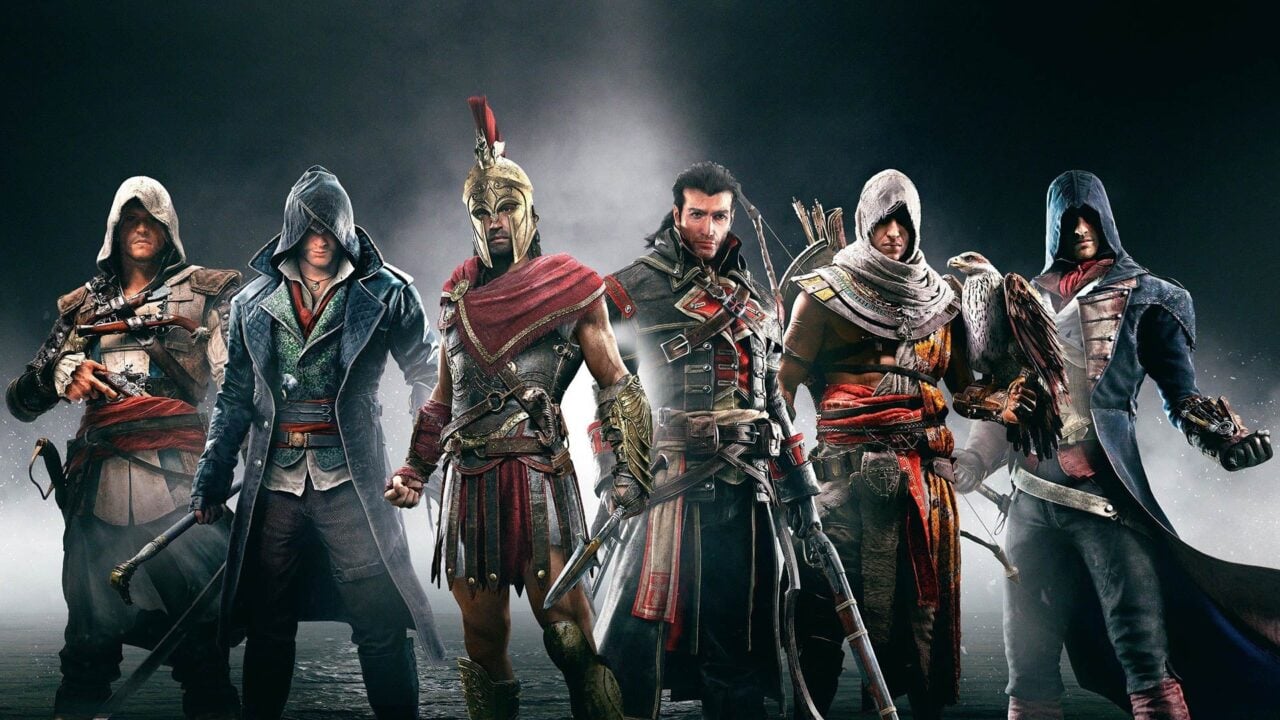

Earlier this week, Ubisoft announced the appointment of three new leaders for the esteemed Assassin’s Creed franchise. Among these transitions, Jean Guesdon will now assume the role of creative director for Assassin’s Creed Hexe, succeeding Clint Hocking, who has dedicated a total of 20 years to Ubisoft. Hocking’s departure is noteworthy in light of the company’s shifting creative leadership during the ongoing evolution of the Assassin’s Creed series.
As stated by Video Games Chronicle, Hocking’s exit was communicated to employees in an internal meeting with the newly established Assassin’s Creed leadership team. A spokesperson from Ubisoft expressed appreciation for Hocking’s insights, creative input, and commitment over the years, wishing him well in his future pursuits. Even with this leadership change, development on Assassin’s Creed Hexe will continue under a skilled team, ensuring the project’s progression remains uninterrupted.
Clint Hocking initially joined Ubisoft in 2001, where he oversaw prominent projects such as Splinter Cell: Chaos Theory and Far Cry 2. Following a short stint at LucasArts, Valve, and Amazon Games, he rejoined Ubisoft in 2015, directing Watch Dogs Legion, a game acknowledged for its ambitious, systems-driven gameplay set in a dystopian vision of London. While the title was groundbreaking, its sales results fell short of expectations.
Hocking had been developing Assassin’s Creed Hexe, which is expected to be the next significant entry in the franchise, targeting a release around 2027. In a 2022 announcement, Hocking conveyed his excitement for the creative director position, highlighting his dedication to the project alongside the Montreal team.
Assassin’s Creed Hexe is set during the later years of the Holy Roman Empire and explores themes of witch trials, indicating a shift from the franchise’s traditional gameplay style towards a narrative infused with survival horror elements. The transition of leadership to Jean Guesdon, a seasoned veteran of the franchise with experience on games such as Black Flag and Origins, prompts questions regarding the game’s direction and whether it will uphold its desired tone amid these notable changes.