# The Rise and Fall of Highguard: A Cautionary Tale in Game Development
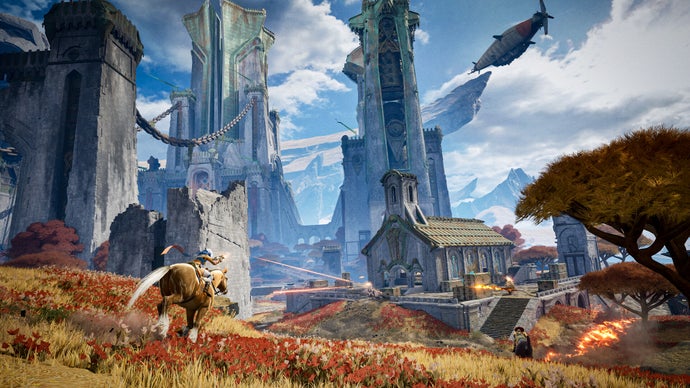
The gaming industry is littered with stories of high expectations followed by disappointing outcomes. One such narrative is that of Highguard, a project developed by the studio Wildlight, founded by former developers of Apex Legends. Despite the pedigree of its creators and support from the gaming giant Tencent, Highguard failed to resonate with players, leaving many to question what led to its downfall.
## Origins and Aspirations
Highguard’s inception traces back to 2021 when several developers from Respawn Entertainment left to establish Wildlight. Motivated by a desire for creative freedom and better financial recognition, they sought to create an independent studio that would implement a profit-sharing model, distinguishing their approach from that of larger corporations. This ambition attracted a number of former Respawn staffers, bolstering the team as they embarked on their new venture.
## Development Challenges
The development process was not without its challenges. Reports indicate that two years into production, the team recognized that the game’s scope was overly ambitious and unsustainable. In January 2024, Wildlight began the difficult task of refining their vision, shifting focus to ensure that Highguard could become a viable product. Initial concepts included aspirations for single-player narratives that would expand the universe, with Highguard serving as a foundational entry point.
During testing, it became apparent that the game’s enjoyment hinged significantly on player communication. Feedback suggested that the experience was severely lacking without voice chat, which raised concerns about community engagement. Despite suggestions from team members to promote player testing in hopes of building a community, management opted for a strategy reminiscent of Apex Legends, preferring a stealth launch to generate excitement.
## The Launch and Its Aftermath
As launch approached, the morale among Wildlight’s staff began to deteriorate. Although there was hope for a strong reception, many within the team grew skeptical of the decision to reveal Highguard at the last moment. Initially, the game saw a promising start; however, it quickly became evident that the expectations set by its creators were not met. The financial backing from investors was seemingly contingent on reaching specific performance metrics, which Highguard ultimately failed to achieve.
By mid-February, the studio delivered the grim news to its employees: the funds were running dry. This realization, compounded by a lack of community engagement and player feedback, led to significant layoffs as the financial viability of the project plummeted.
## Lessons Learned
Former Wildlight developers attributed Highguard’s dissolution to the leadership’s overconfidence and the inability to replicate the success of Apex Legends. As of now, fewer than 20 developers remain committed to the project, and the prospect of sustaining a live service game with such a small team appears grim.
Highguard stands as a cautionary tale for the industry, highlighting the perils of overwhelming ambition, inadequate testing strategies, and the challenges of sustaining a community-centered game without adequate support. As the gaming landscape continues to evolve, the lessons from Highguard will likely resonate with both developers and publishers moving forward.