### Exploring the Cybernetic World of the “Marathon” Reboot
The recent playtest of the “Marathon” reboot kicks off with a striking visual: a barcoded moth consuming larval diodes. This whimsical imagery symbolizes our current existence in a digital landscape, where we are akin to that bug, traversing silicon terrains and interacting with the vast resources of technology. In this Nvidia era, where graphics processing units (GPUs) dominate, our digital experiences are curated by powerful algorithms looking to optimize our everyday decisions, even suggesting how to utilize the contents of our fridges.
#### Game Mechanics and Introductory Experience
Before engaging in the main action, players must navigate through a prologue that sets the stage for the gameplay. The initial sequence combines elements reminiscent of iconic titles like Modern Warfare and WipEout, guiding players through critical functionalities like health and shield management, melee attacks, and inventory systems. As players earn credits, they find themselves crawling through confined spaces, embracing the hilarity and absurdity of collecting unidentifiable loot amongst the chaos.
The initial hours of the game reveal much more than just shooting mechanics; they showcase an art direction reflecting the overwhelming nature of the modern computer industry, driven by an obsession with generative AI whose impacts ripple through the economy.
#### Core Gameplay and Character Dynamics
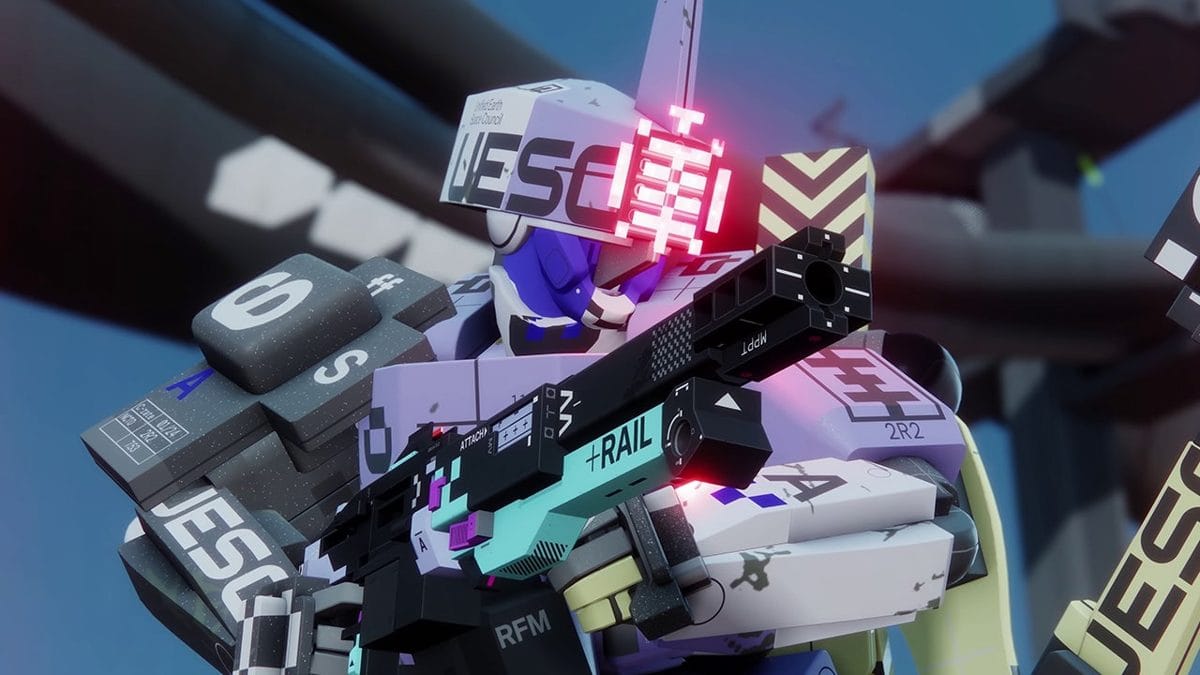
In “Marathon,” players assume the role of a brain controlling various cybernetic avatars, with options branching into RPG-style classes such as the agile Vandal or the robust Destroyer. The overarching mission involves exploring an abandoned interstellar ark, stripping it for valuable resources on behalf of corporate factions with formidable acronyms and mysterious motives. Each faction offers distinct perks and challenges, enriching the gameplay experience beyond mere combat.
The initial faction introduced is Cyberacme, which aids players in identifying loot more efficiently while introducing a creepy AI assistant named Oni, who hints at forgotten connections and deep-seated histories.
#### Visual and Thematic Elements
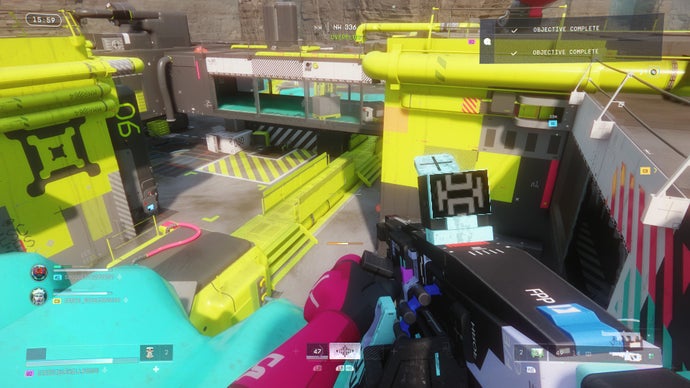
The map design, particularly in the Perimeter area, immerses players in a surreal landscape, reminiscent of abandoned technology ecosystems. The striking visuals suggest a blend of dystopian and organic elements, where functional electronics decay amid wild nature. The geography feels alive, as players navigate between the contrast of vibrant technological remnants and eerie natural life, including unsettling lifeforms that echo Halo’s Flood, adding layers of tension as they lurk in the shadows.
Exploration of the environment is rewarded with scraps of lore scattered throughout, including coffee mugs and functional terminals that hint at the complex backstory of this fallen colony vessel. The visuals and narrative resonate with players, suggesting themes of obsolescence and the cyclical nature of technology.
#### Cultural Commentary and Future Implications
The “Marathon” reboot resonates deeply with contemporary cultural narratives, particularly regarding the dominance of technologies developed by companies like Nvidia. Once on the periphery of gaming history, Nvidia’s influence has expanded, shaping entire virtual worlds and experiences. This game’s chaotic energy mirrors the uncertainty surrounding technological advancements and their repercussions on society.
In essence, “Marathon” presents an engaging blend of visual storytelling, gameplay mechanics, and thematic depth, immersing players in a world that critiques and reflects on our complex relationship with technology. With its combination of artful design and critical commentary, the reboot invites players to confront not just foes in-game, but broader questions about progress, consumption, and identity in the digital age. The ability to participate in the game’s server slam experience is available on platforms like Steam, inviting players to explore this unique intersection of adventure and introspection.