### The Rise of IEMs in PC Gaming: A Journey to Audio Perfection
Over the past few years, gaming audio has continually evolved, leading players to seek the best options for their setups. For those with unique physical comfort needs, like large ears or sensitivity to heavier headsets, finding a suitable audio solution can be a challenging battle. One of the unexpected heroes in this quest has been In-Ear Monitors (IEMs), which offer impressive sound quality while addressing comfort concerns.
#### What are IEMs?
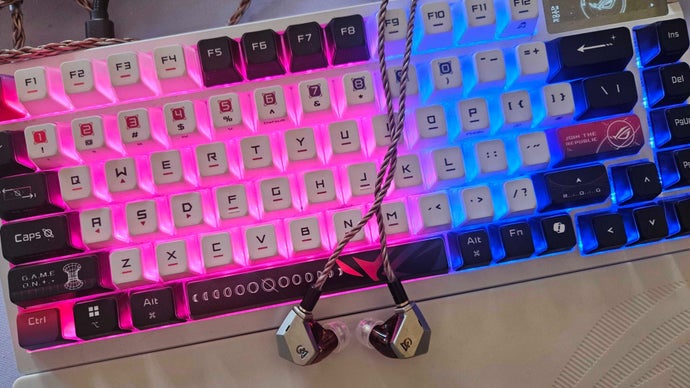
In-Ear Monitors, or IEMs, resemble wired earbuds but deliver audio performance comparable to high-end headphones. Unlike conventional gaming headsets, which often prioritize features like wireless connectivity or built-in microphones, IEMs focus on sound fidelity. They are ideal for users who do not require an integrated mic and are willing to improve their audio experience dramatically.
#### Clarity and Fidelity
Much of the appeal of IEMs lies in their wired nature. This design choice minimizes sound compression, which can occur with wireless options, where audio quality is diminished. For instance, when gaming, soundtracks might lose elements of clarity resulting in a less immersive experience. Personal experiences with gaming headsets have shown that many models can obscure subtle game sounds due to compression. Switching to IEMs often reveals layers of audio one might have missed, such as the crisp sound of footsteps or the unique qualities of a game’s orchestral score.
#### Hi-Fi Audio and Amplification
Most gaming headsets are not engineered for high-fidelity sound, which prioritizes accuracy and minimal distortion. In contrast, IEMs are inherently hi-fi, reflecting their origins in the professional audio industry. By pairing IEMs with a dedicated amplifier, users can further enhance their audio environment. Amplifiers, like the Fosi Audio K7, inspire significant improvements in sound quality, allowing IEMs to shine.
#### Design Advantages
The design mechanics of IEMs confer distinct advantages over traditional headsets. Sound is delivered directly into the ear canal, minimizing distortion that can occur in larger headsets due to their acoustic design. Many IEM users prefer silicone or foam ear tips, which can alter sound characteristics and comfort levels based on personal preferences. With a snug fit, IEMs deliver high-quality sound without the hassle of increased volume settings often needed with conventional headsets.
#### Versatility and Pricing
IEMs are not just for gaming. They are used in various applications such as music listening and online meetings, and they can easily connect to devices like the Steam Deck or gamepad controllers, offering seamless audio quality. The pricing of IEMs can seem high compared to budget earbuds, but they often provide more value when compared with similarly priced gaming headsets.
#### Microphone Limitations
One notable downside is that IEMs typically do not come equipped with microphones. However, this may only be a drawback for players who engage in multiplayer gaming. For those focused on single-player experiences or who utilize external mics for communication, the audio quality benefits of IEMs far outweigh this limitation.
#### Conclusion
Embracing the world of IEMs has been a remarkably transformative experience for many gamers. They offer an incredible auditory experience that rivals more traditional gaming headsets, while also addressing individual comfort needs. For players who find heavier headsets painfully cumbersome, IEMs present an attractive alternative, combining superior sound quality with practical versatility.