
**The Trump Administration’s Position on Tencent’s Investments in U.S. Gaming Companies**
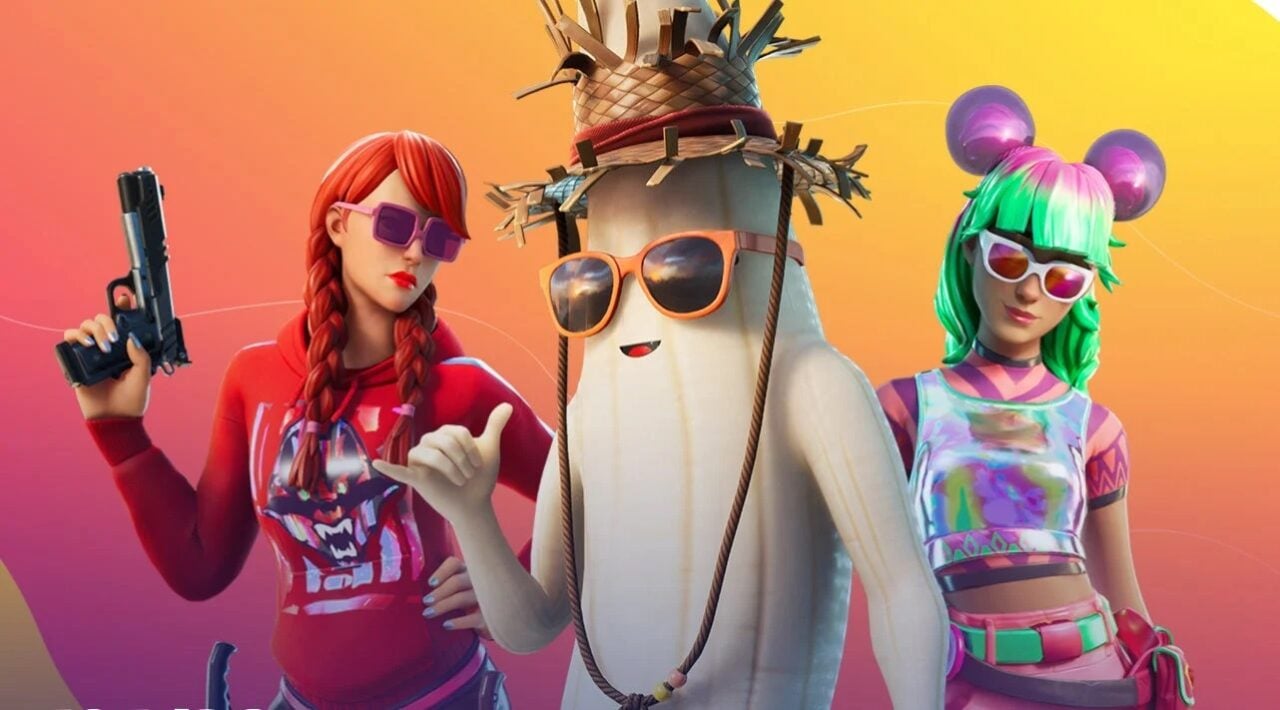
The Trump administration is said to be contemplating major measures against Chinese technology behemoth Tencent, possibly requiring the firm to divest its significant holdings in American gaming companies, such as Epic Games, recognized for creating *Fortnite*, and Riot Games, the developer of *League of Legends*. This examination comes as the administration readies for crucial discussions with Chinese President Xi Jinping next month, according to the *Financial Times*.
### Tencent’s Influence in the Gaming Sector
Tencent has become a leading force in the international gaming arena. With a 28% share in Epic Games, the company has formed vital alliances to extend its reach within the U.S. gaming market. Furthermore, Tencent wholly owns Riot Games and has interests in several other gaming enterprises, including Discord, Larian Studios, and Remedy Entertainment. Significantly, it possesses a majority stake in Supercell, the Finnish company responsible for *Clash of Clans*. Given the considerable number of Supercell’s users located in the U.S., Tencent’s investment approaches face intensified examination from the Trump administration.
### Concerns for National Security
The ongoing scrutiny of Tencent’s investments is managed by the Committee on Foreign Investment in the United States (Cfius), which has raised concerns about possible access to sensitive user information that Tencent’s ownership stakes might enable. Previously, President Trump expressed intentions to ban WeChat, a messaging app owned by Tencent, citing similar worries regarding data privacy and foreign influence. In a significant development, the administration classified Tencent as a “Chinese military company” in January 2025, signaling a heightened posture against perceived Chinese threats amid ongoing trade discussions.
### Consequences of Potential Divestment
The current discussions within the White House raise questions about their seriousness and potential results. While some perceive this as mere political theater, the consequences of mandating Tencent to divest its assets could be considerable for the gaming sector. For instance, a compelled sale of Riot Games could lead to increased consolidation within the industry, potentially benefiting U.S.-based entities, including those associated with prominent tech figures such as Larry Ellison, whose investments in media and technology are growing rapidly.
### Contextual Background and Future Outlook
This circumstance evokes the administration’s prior attempts to address issues with other Chinese tech companies, particularly the attempted closure of TikTok, which ultimately ended with a deal for a partial sale to a group led by Oracle. The absence of direct legislative actions on TikTok reinforces doubts about the administration’s resolve to impose strict measures against Tencent.
### Conclusion
As the Trump administration considers its options regarding Tencent’s investments in U.S. gaming firms, the potential outcomes remain unpredictable. Whether motivated by authentic national security apprehensions or political drives, the consequences of such actions could alter the landscape of the gaming industry and international business relations between the U.S. and China. With increasing tensions and impending trade negotiations, the future of Tencent’s investments may depend on broader geopolitical strategies and the changing dynamics of U.S.-China relations.