**US Government Considers Tencent’s Divestment from American Game Companies**
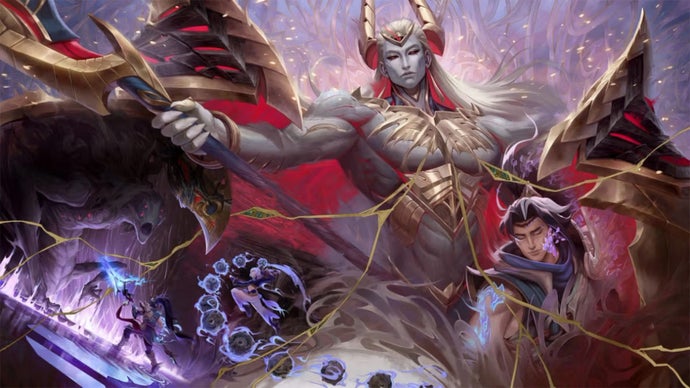
The US government, under the Trump administration, is currently contemplating whether to compel the Chinese conglomerate Tencent to divest its holdings in American gaming companies. Tencent, a major player in the gaming industry, owns Riot Games, the developer behind the highly popular “League of Legends,” as well as Turtle Rock Studios, known for “Back 4 Blood.” Additionally, Tencent holds significant stakes in several other leading firms, including Epic Games, Ubisoft, Remedy, and Paradox Interactive.
According to a report from the Financial Times, officials have engaged in meetings to evaluate whether Tencent’s investments in US and Finnish gaming companies pose potential risks to national security. A crucial meeting scheduled for March 3rd was reportedly postponed due to conflicts in scheduling.
This scrutiny occurs in the context of planned discussions between President Donald Trump and Chinese President Xi Jinping in China next month. Concerns from the US government focus on Tencent’s gaming investments possibly providing access to extensive data on American players, which officials fear could represent a “significant intelligence collection source.” These concerns trace back to the Biden administration and continue to be a point of contention.
In 2022, the US government placed Tencent on a list known as Section 1260H, which includes companies believed to have associations with the Chinese military. Despite Tencent’s claims that this classification stemmed from a “misunderstanding,” the company remains on the list and has threatened legal action against the government if the situation is not resolved.
If the US government proceeds with actions to force Tencent to divest its investments in American gaming firms, it could lead to considerable disruption within the industry. However, the feasibility of such actions remains uncertain. Much of the ongoing tension surrounding Chinese investments in the US appears to be a strategic maneuver between two powerful nations, seeking to assert their dominance in a global landscape fraught with geopolitical risks.